Colorado Wildflowers - July 2023

I spent 4 days in the Gunnison/Crested Butte area last week. The Crested Butte Wildflower Festival was ongoing. The trails and back roads were crowded and dusty. But the scenery was beautiful!
Click on each of the images to see a larger view.


A view of the East river from CO-317 north of Mt. Crested Butte.
Olympus OM-1 camera with 12-100mm f/4 lens at 24mm


I discovered that one need not be on one of the busy hiking trails to obtain outstanding views of the wildflowers in the Crested Butte area. This photo was taken from my car when I stopped momentarily in the driveway to one of the homes in Mt. Crested Butte.
Olympus OM-1 camera with 12-100mm f/4 lens at 34mm


A short hike preceded the acquisition of this image.
Olympus OM-1 camera with 12-100mm f/4 lens at 47mm


The view from the end of CO-727, an offshoot of CO-730 which follows Ohio Creek and can be used to travel from Gunnison through Ohio Pass and Kebler Pass to reach CO-12, a few miles from Crested Butte, but not in the winter.
Olympus OM-1 camera with 12-100mm f/4 lens at 34mm


Colorado Columbine (Aquilegia coerulea variety coerulea), the state flower of Colorado. The color of the petals, I learned, is variable and covers a wide range of whites blues, and purples. “Colorado columbine’s beautiful blooms tempt pollinators and people alike to take a closer look. In summer, its beautiful white sepals and violet, lavender, or blue petals add vivid color to the landscape, where plants can occur in the hundreds.” Source of the quote: https://www.flickr.com/photos/retroproxy/2739731086/in/photostream/
Olympus OM-1 camera with 12-100mm f/4 lens at 100mm


Colorado Columbine. The five petals have spurs that are usually longer than the petals.
Olympus OM-1 camera with 150-400mm f/4.5 lens at 213mm in focus bracketing mode


Colorado Columbine
Olympus OM-1 camera with 150-400mm f/4.5 lens at 220mm in focus bracketing mode

David Sparks

I retired in 2005 after 40 years of research and teaching at the University of Alabama in Birmingham (24 years), the University of Pennsylvania (8 years) and the Baylor College of Medicine (8 years). Photography is my retirement hobby.

Nature photography, especially bird photography, combines a number of things that I really enjoy: bird-watching, being outdoors, photography, travel, messing about with computers, and learning new skills and concepts.  I now spend much of my time engaged in these activities.

David Sibley in the preface to The Sibley Guide to Birds wrote "Birds are beautiful, in spectacular as well as subtle ways; their colors, shapes, actions, and sounds are among the most aesthetically pleasing in nature."  My goal is to acquire images that capture the beauty and uniqueness of selected species as well as images that highlight the engaging behaviors the birds exhibit. 
Completion of a Recent Project

Yesterday I picked up 6 prints from the shop where I had them framed. The frame size for 4 prints was 16” x 21”. The frames of the other 2 were 14” x 19”. The images on five of the six prints had been featured in previous blog entries. Because using segments of the text from the earlier entries simplified putting together a blog about the group, this blog post materialized.

Red-breasted Merganser
Nikon D300, 300mm f/4 lens + 1.7x tc
1/1250 sec at f/6.7, ISO 560

The image of the Red-breasted Merganser surfacing near the shrimp boats docked at Joe Patti's Seafood in Pensacola Florida was acquired in January 2009, before the BP oil spill while the boats were still actively working. The "spill" from unloading and cleaning the vessels generated a lot of bird activity. The mergansers were very cautious. They came into the docking area, fed for a short time, swam out into deeper water for a variable time, and then made another excursion into the docking area. As they swam out into deeper water the birds would "submarine", swimming for a long distance with the head and most of the body underwater but with part of the back still visible, and only periodically raise the head out of the water before submerging it again. I could not get the picture I wanted standing on the dock opposite the shrimp boats. I wanted a lower perspective. At low tide I was able to hide in reeds near the entrance to the docking area and photograph the birds as they entered and exited. The conjunction of low tide, sunrise, and cooperative birds occurred on the third morning I was trying to capture this shot. Reflections of the shrimp boats bottom paint produced the blue in the waves.

Elegant Trogon
Nikon D300, 500mm f/4 lens with 1.7x tc
1/1250 sec at f/7.1, ISO 400

In 2010 I received an email message from a friend who works at Stanford University asking if I would be interested in joining him and his son in an outing photographing California wildflowers. A banner year for wildflowers was predicted because of higher than usual rainfall levels. I accepted the invitation and decided to drive to California making stops along the way to explore birding hotspots that I had not yet visited.

When I arrived at the head of the Sonoita Creek Trail in Patagonia Lake State Park south of Tucson on April 6, one of the hotspots I had never visited, birders were talking about the Elegant Trogon they had seen. I asked for directions, but since this was my first visit, the cognitive map that emerged was, at best, very crude. Two other birders about to enter the trail were also listening to the directions and, since they had visited the park previously, I joined them in the search for the bird. We took a right turn, presumably as directed, but walked a long distance without seeing the small group of birders we were told would still be viewing the bird. The two other birders thought we had made a wrong turn and were about to turn back when I asked them to wait until I went over a small rise to make sure the group of birders we were expecting to see was not just ahead. As I reached the top of the rise in the trail, I flushed the Trogon. It flew back toward the other two birders and landed in a thicket. I found a small opening in the branches that allowed a partial photo of the bird. The bird caught and consumed a larva and then flew further back toward the main path. At the new location, I set up my tripod at ground level and, lying flat on the ground, had a full view of the Elegant Trogon on its perch through a small opening. What great luck – to see this rare and beautiful bird on my first birding trip to Arizona. The Elegant Trogon is a native of Mexico and Central America, but in the United States it breeds only in a few of Arizona’s southern canyons. In 2010, Audubon estimated that 50 pairs nested in Arizona.


Sandhill Cranes
Nikon D4 + 500mm f/4 lens +1.4x tc
1/1600 sec at f/10, ISO 1800

In March 2015 I spent a few days photographing birds at the Green Cay Nature Center & Wetlands, Wakodahatchee Wetlands, and Loxahatchee NWR in south Florida. While there, a local birder posted a note on eBird about an adult and chick Sandhill Crane feeding in a nearby residential area. I found the area and captured the image shown above.


Bald Eagle
Nikon D500 + 500mm f/4
1/2000 sec at f/5.6, ISO 6400
Alaska Chilkat Bald Eagle Preserve near Haines Alaska

A visit to the Alaska Chilkat Bald Eagle Preserve near Haines Alaska had been on my bucket list for several years when I signed up for Andy Long's photography WORKSHOP and spent 6 days there. I wish I had not waited so long to visit this spectacular place. We met in Juneau on Nov. 10 2017, took a short flight to Haines on the 11th (the scheduled ferry trip was cancelled), and the ferry back to Juneau in the late afternoon on the 17th. I arrived a day early to spend time exploring Juneau.


Bald Eagle
Nikon D500 + 500mm f/4
1/1250 sec at f/4, ISO 1600
Alaska Chilkat Bald Eagle Preserve near Haines Alaska

The Chilkat Preserve is the site of largest concentration of Bald Eagles in the world. Thousands of Bald Eagles gather there to feed during the late run of chum salmon from November through January. The Takhinsha Mountains provide a stunning backdrop for photographing the eagles and other wildlife. The rivers that converge in the preserve have deposited gravel and sediment into the floor of the valley for thousands of years and gravel beds reach depths of 200-800 feet below the surface of the river. A huge reservoir of water is contained in the gravel. The water stored here stays above freezing, seeps into the Chilkat River throughout the winter, and keeps parts of the river ice-free. Salmon runs in these ice-free areas attract the eagles, bears when active, and other birds and wildlife.


Wood Duck
Olympus OM-D E-M1 Mark II camera,
300mm f/4 IS Pro Lens
1/2000 sec at f/4, ISO 1000

This photo was taken in October 2018 at Sterne Park in Littleton CO. The resident Wood Ducks were back in beautiful plumage. Usually, the birds are scattered in pairs or small groups in various parts of the small lake. On this visit they were congregated out of the water around the crabapple trees adjacent to the walkway from the parking lot. The ducks were eating the fruit that had fallen from the trees. When walkers or bikers appeared, the birds would fly back into the water but they returned to the trees to continue feeding after a brief delay.

David Sparks

I retired in 2005 after 40 years of research and teaching at the University of Alabama in Birmingham (24 years), the University of Pennsylvania (8 years) and the Baylor College of Medicine (8 years). Photography is my retirement hobby.

Nature photography, especially bird photography, combines a number of things that I really enjoy: bird-watching, being outdoors, photography, travel, messing about with computers, and learning new skills and concepts.  I now spend much of my time engaged in these activities.

David Sibley in the preface to The Sibley Guide to Birds wrote "Birds are beautiful, in spectacular as well as subtle ways; their colors, shapes, actions, and sounds are among the most aesthetically pleasing in nature."  My goal is to acquire images that capture the beauty and uniqueness of selected species as well as images that highlight the engaging behaviors the birds exhibit. 

Another batch from Bolivar - April 24 - May 2, 2023

Yellow Warbler

Prothonotary Warbler

Baltimore Oriole

Worm-eating Warbler

Rose-breasted Grosbeak

Red-eyed Vireo

Yellow-breasted Vireo

Easter Wood-Pewee

Easter Wood-Pewee

Semipalmated Plover

Semipalmated Plover

Semipalmated Plover

Spotted Sandpiper

Whimbrel

Forster's Tern

Royal Tern

Black-bellied Whistling Duck

Crested Caracara

Yellow-crowned Night Heron

Clapper Rail

Least Bittern

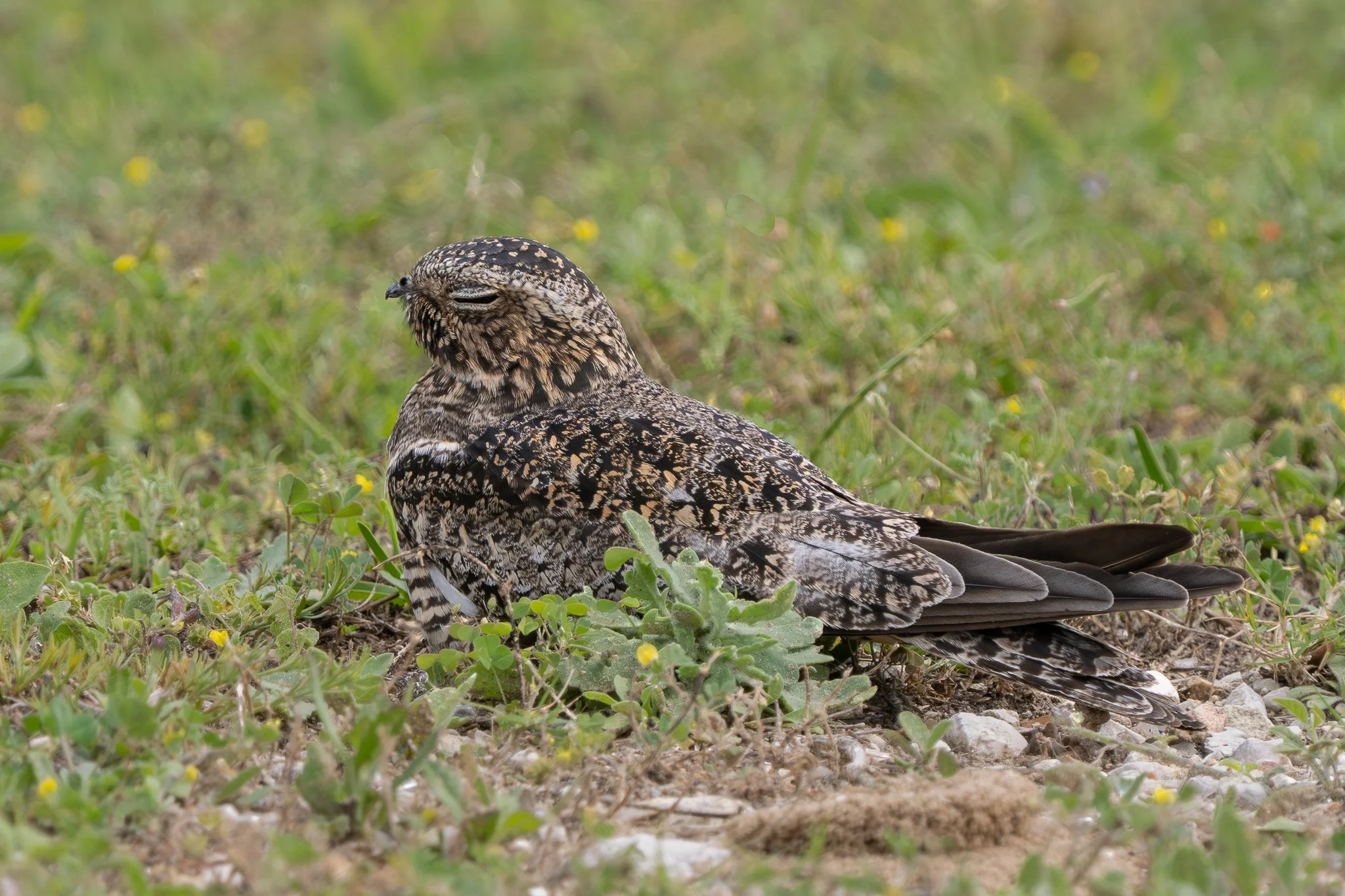
Common Nighthawk

Archive Block
This is example content. Double-click here and select a page to create an index of your own content. Learn more

David Sparks

I retired in 2005 after 40 years of research and teaching at the University of Alabama in Birmingham (24 years), the University of Pennsylvania (8 years) and the Baylor College of Medicine (8 years). Photography is my retirement hobby.

Nature photography, especially bird photography, combines a number of things that I really enjoy: bird-watching, being outdoors, photography, travel, messing about with computers, and learning new skills and concepts.  I now spend much of my time engaged in these activities.

David Sibley in the preface to The Sibley Guide to Birds wrote "Birds are beautiful, in spectacular as well as subtle ways; their colors, shapes, actions, and sounds are among the most aesthetically pleasing in nature."  My goal is to acquire images that capture the beauty and uniqueness of selected species as well as images that highlight the engaging behaviors the birds exhibit. 

More photos from the Bolivar Peninsula (TX) - April 2023

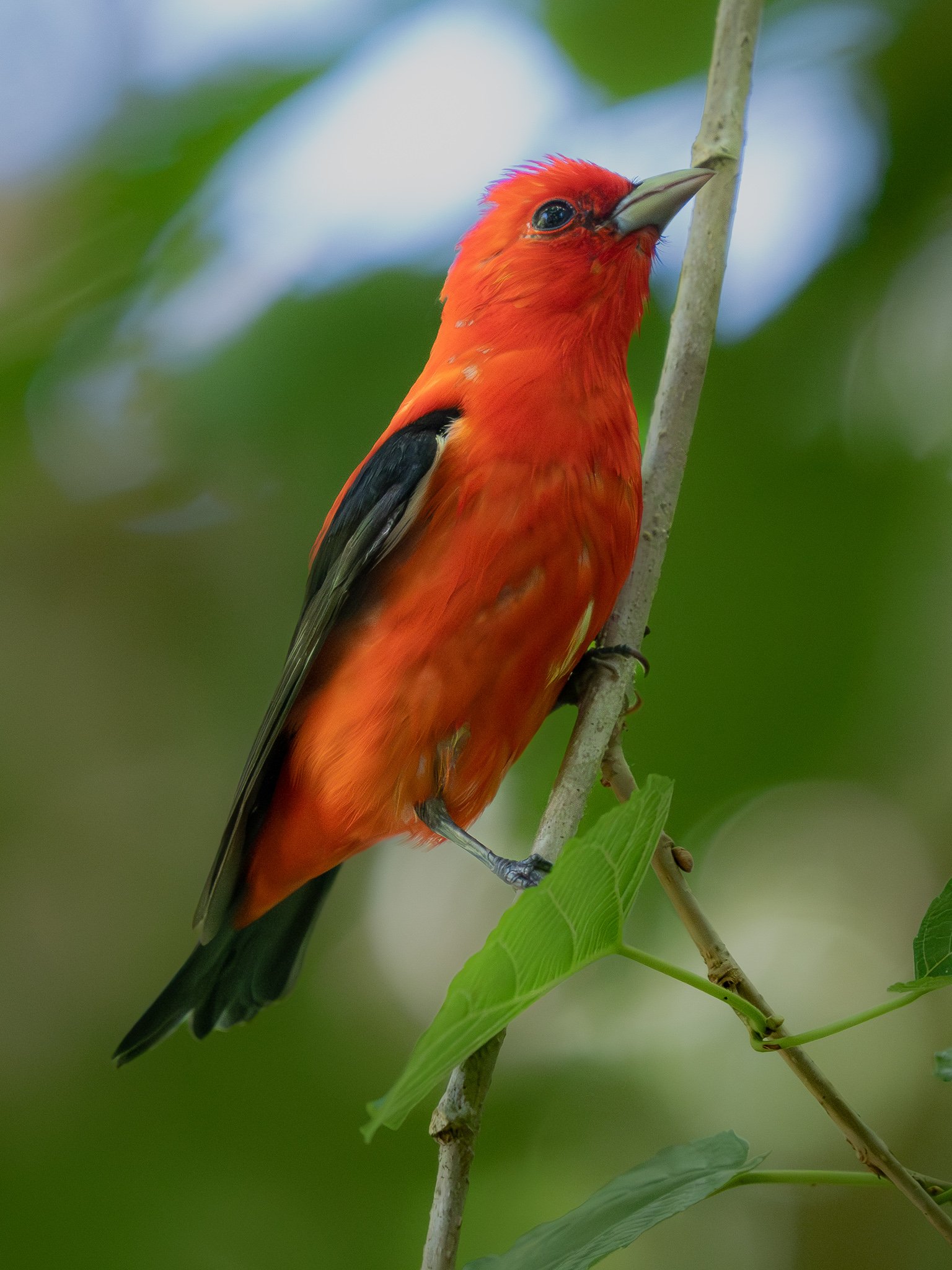
Scarlet Tanager

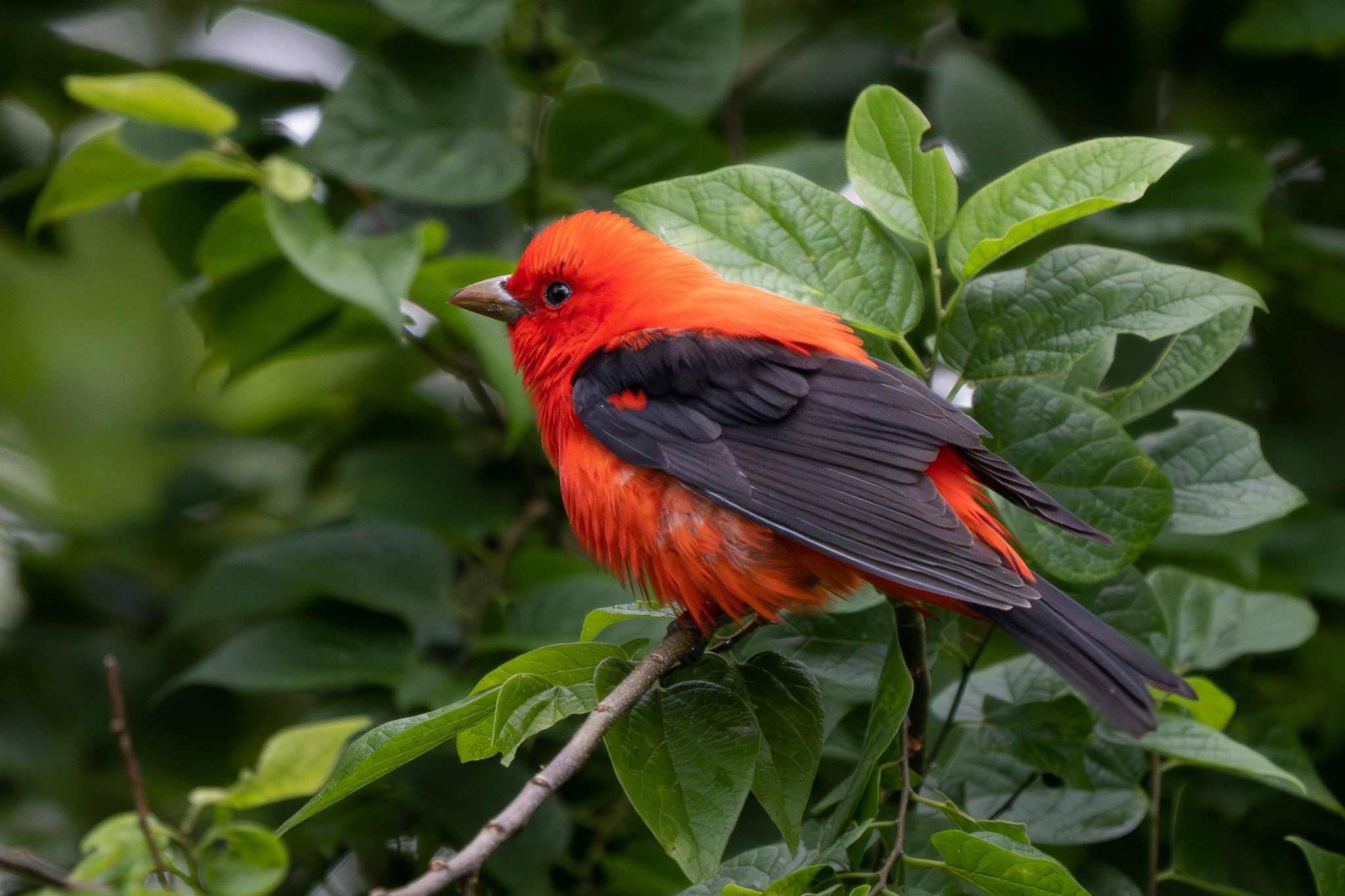
Scarlet Tanager

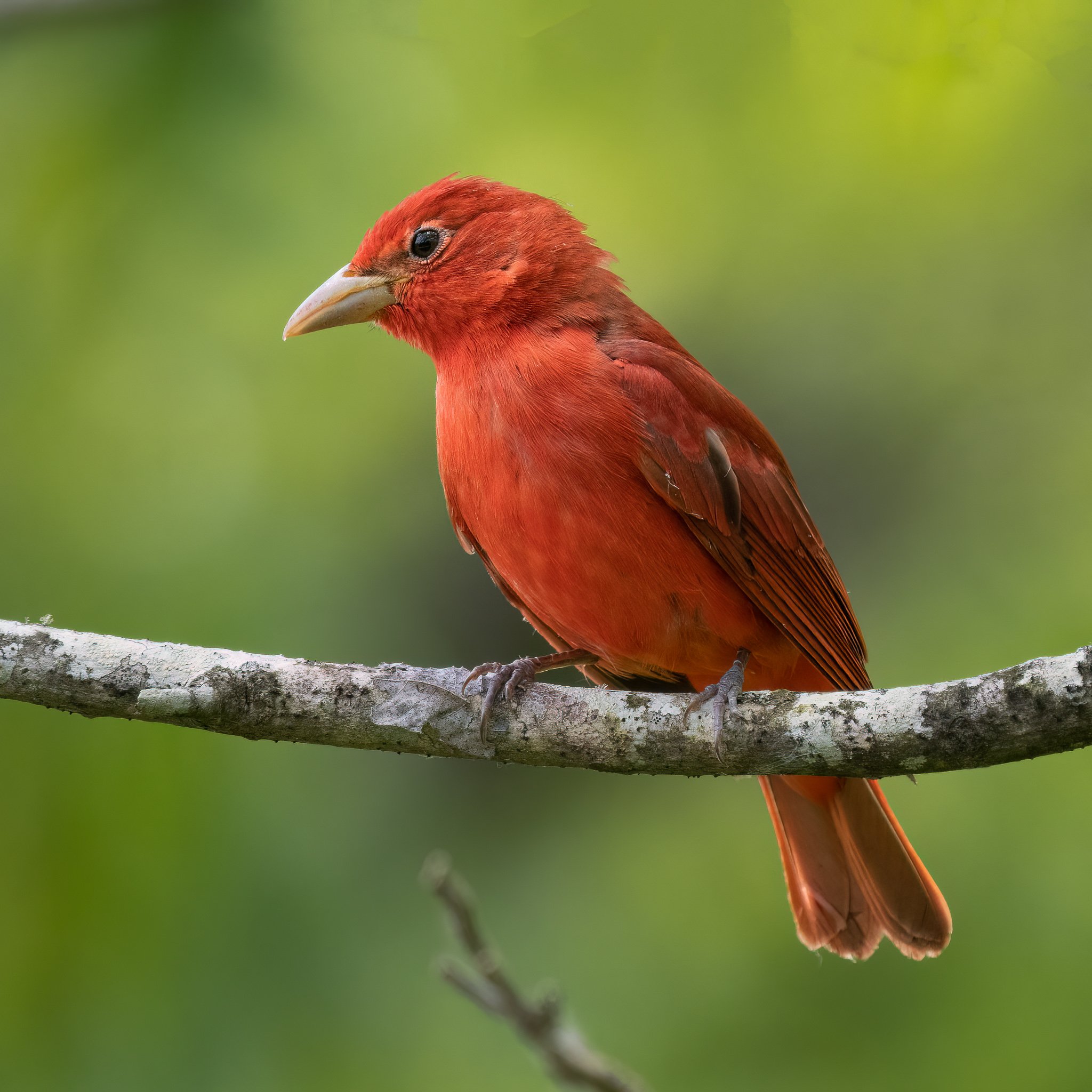
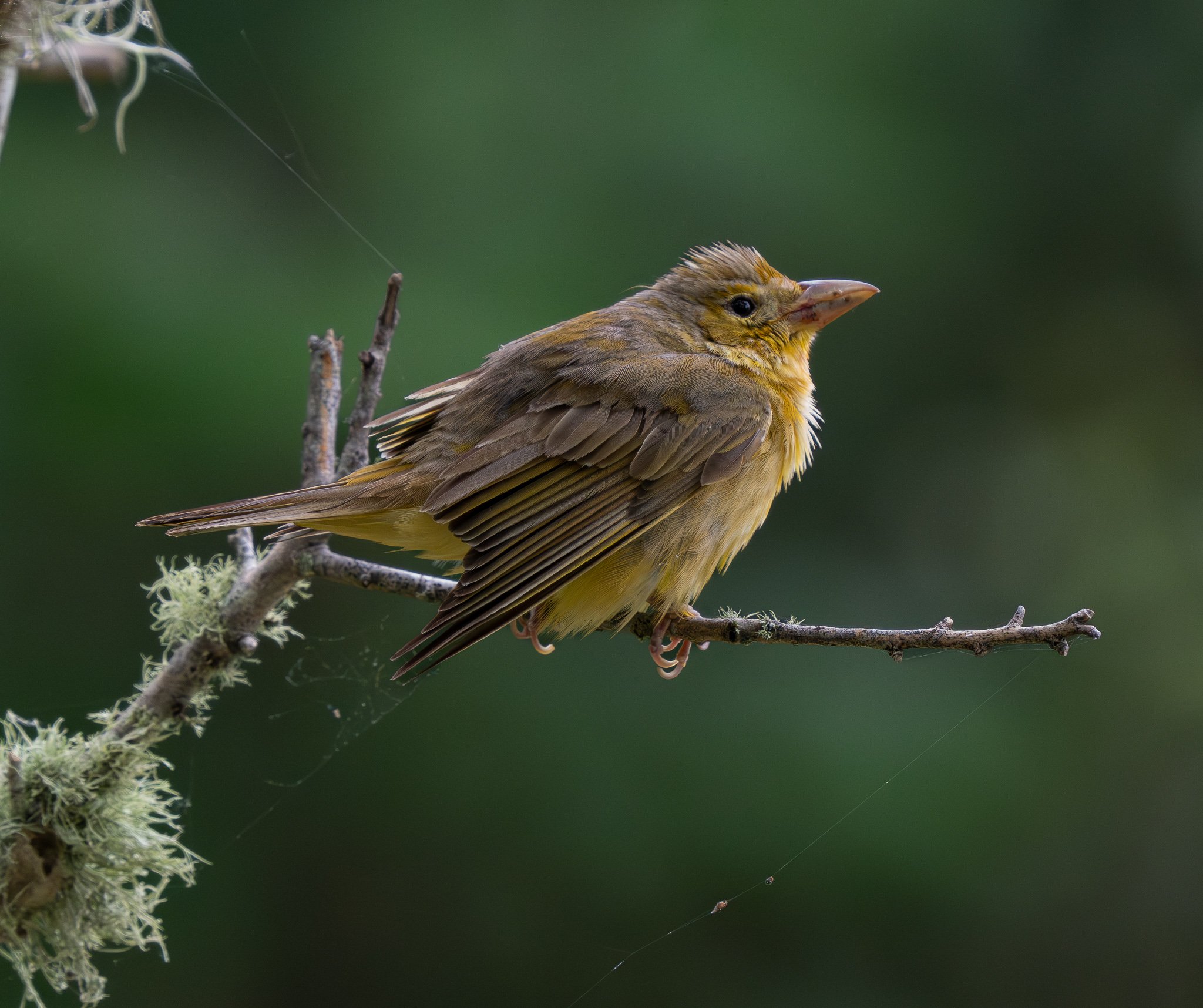
Summer Tanager


Summer Tanager

Tree Swallow

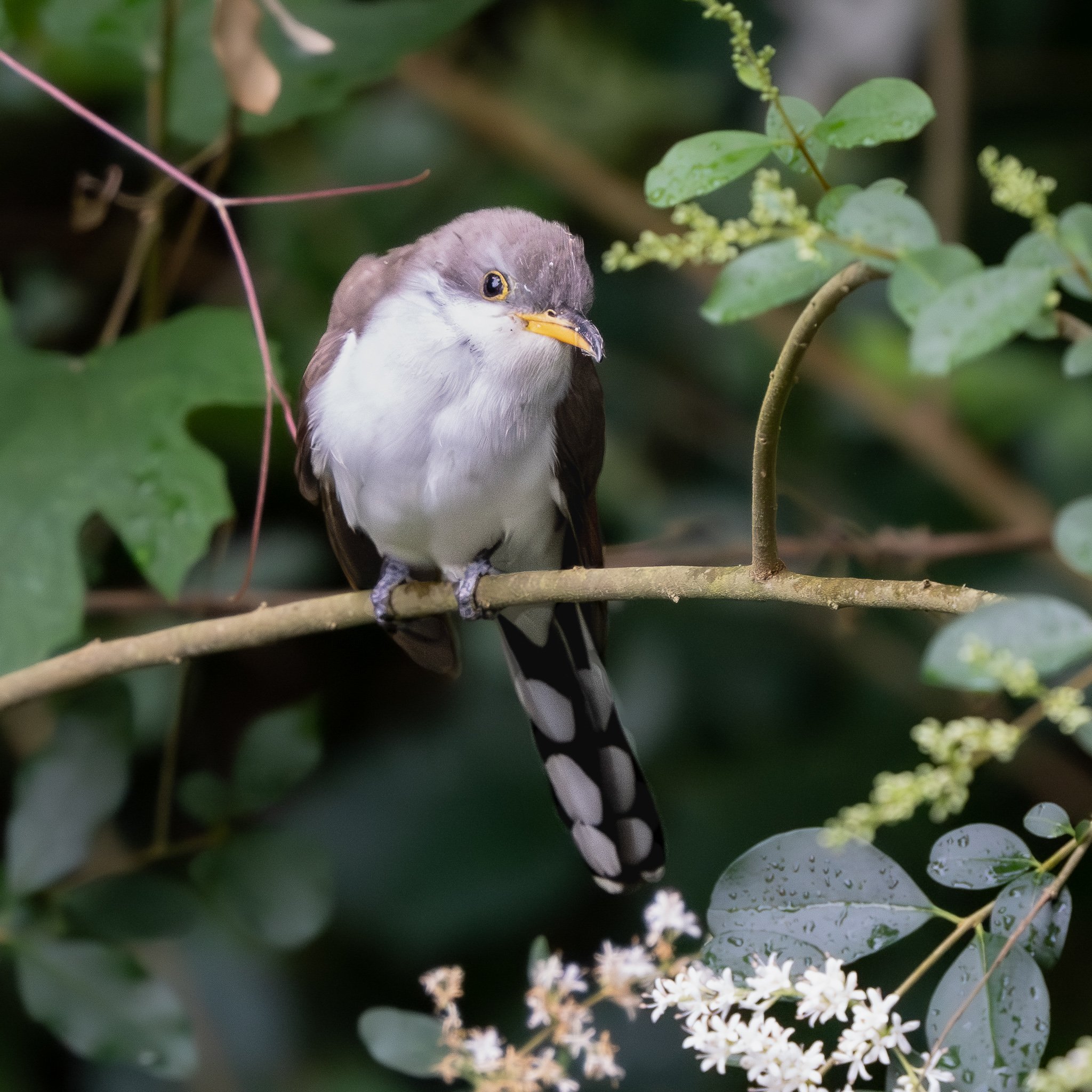
Yellow-billed Cuckoo

Yellow-billed Cuckoo

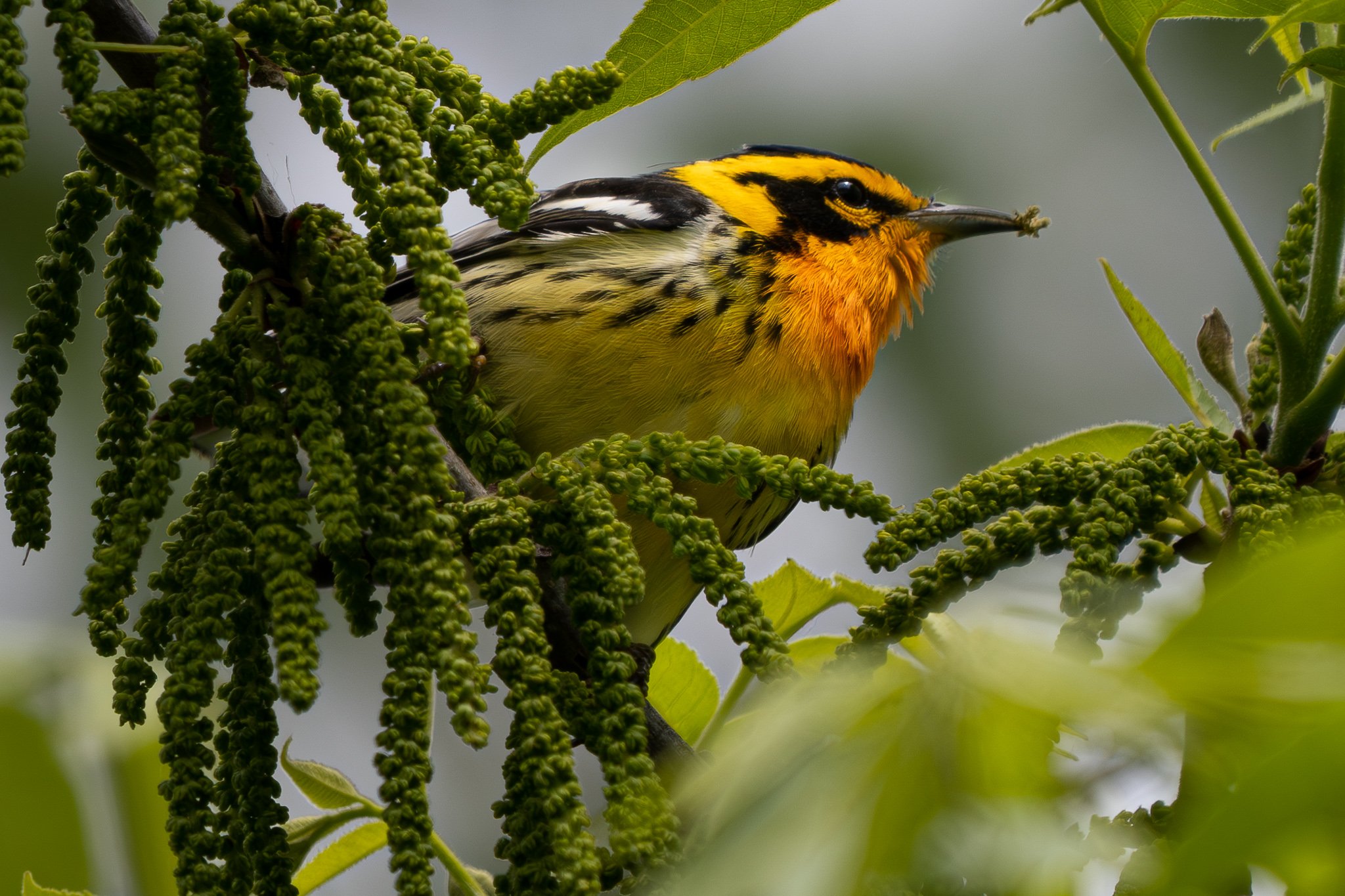
Blackburnian Warbler

Blackburnian Warbler

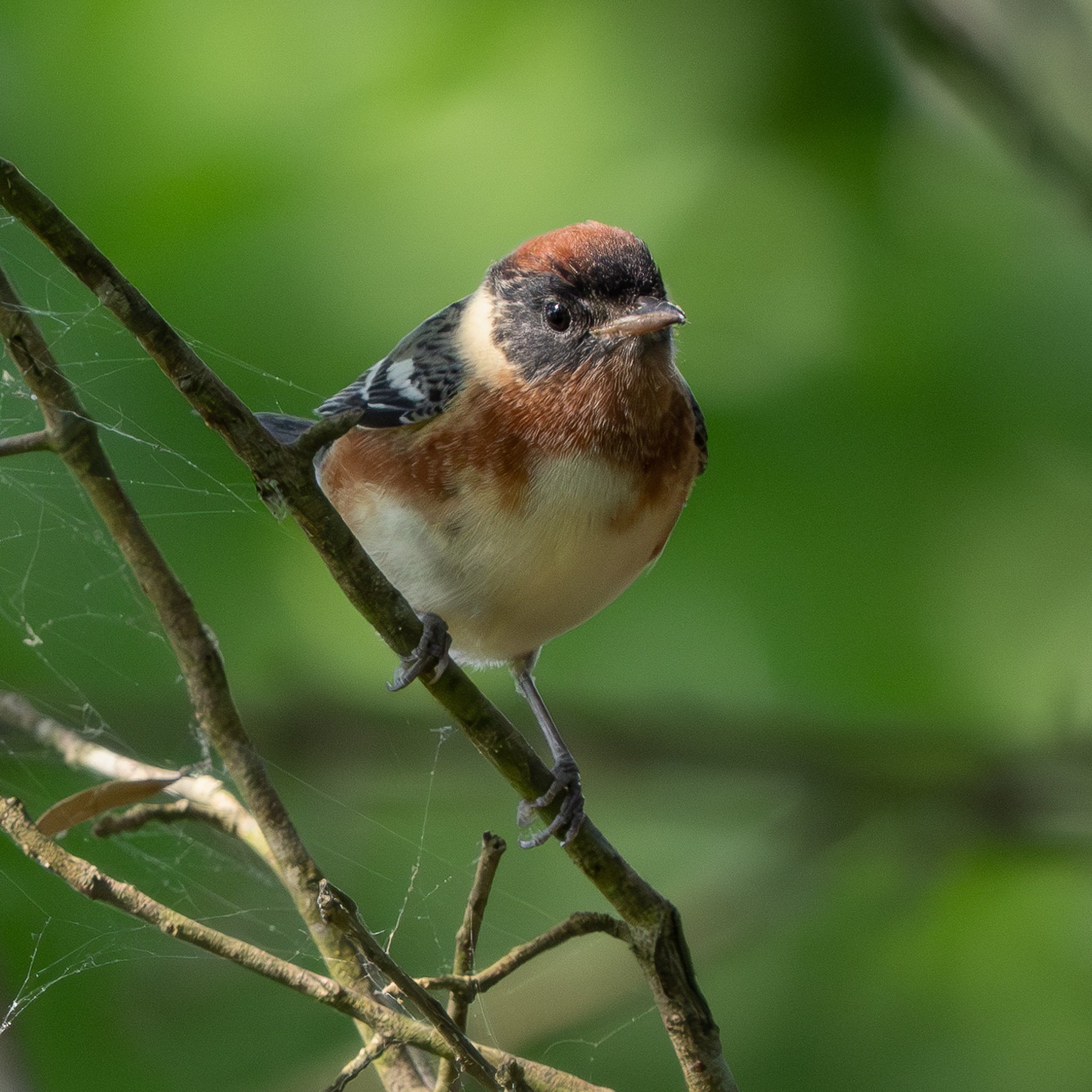
Bay-breasted Warbler

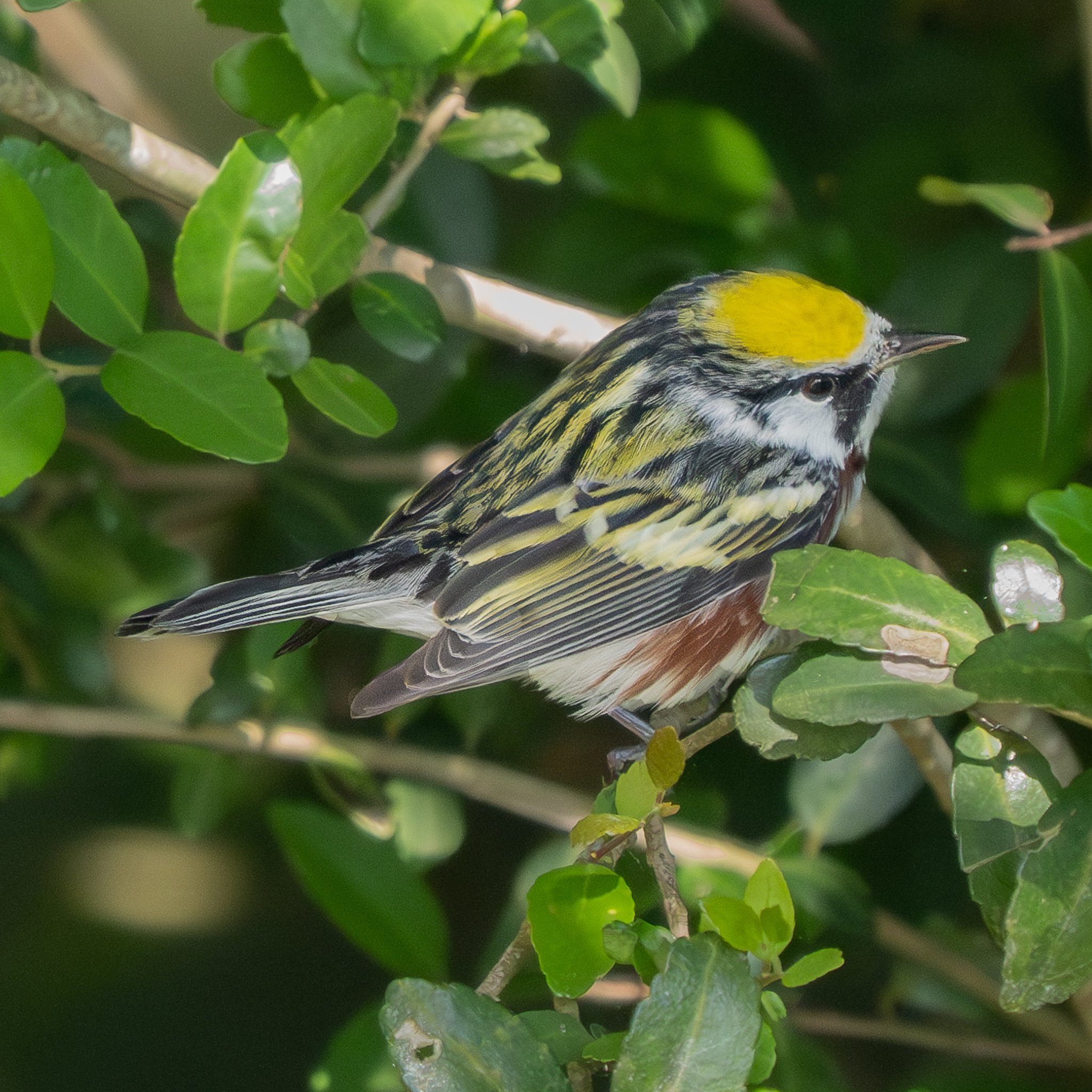
Chestnut-sided Warbler

Chestnut-sided Warbler

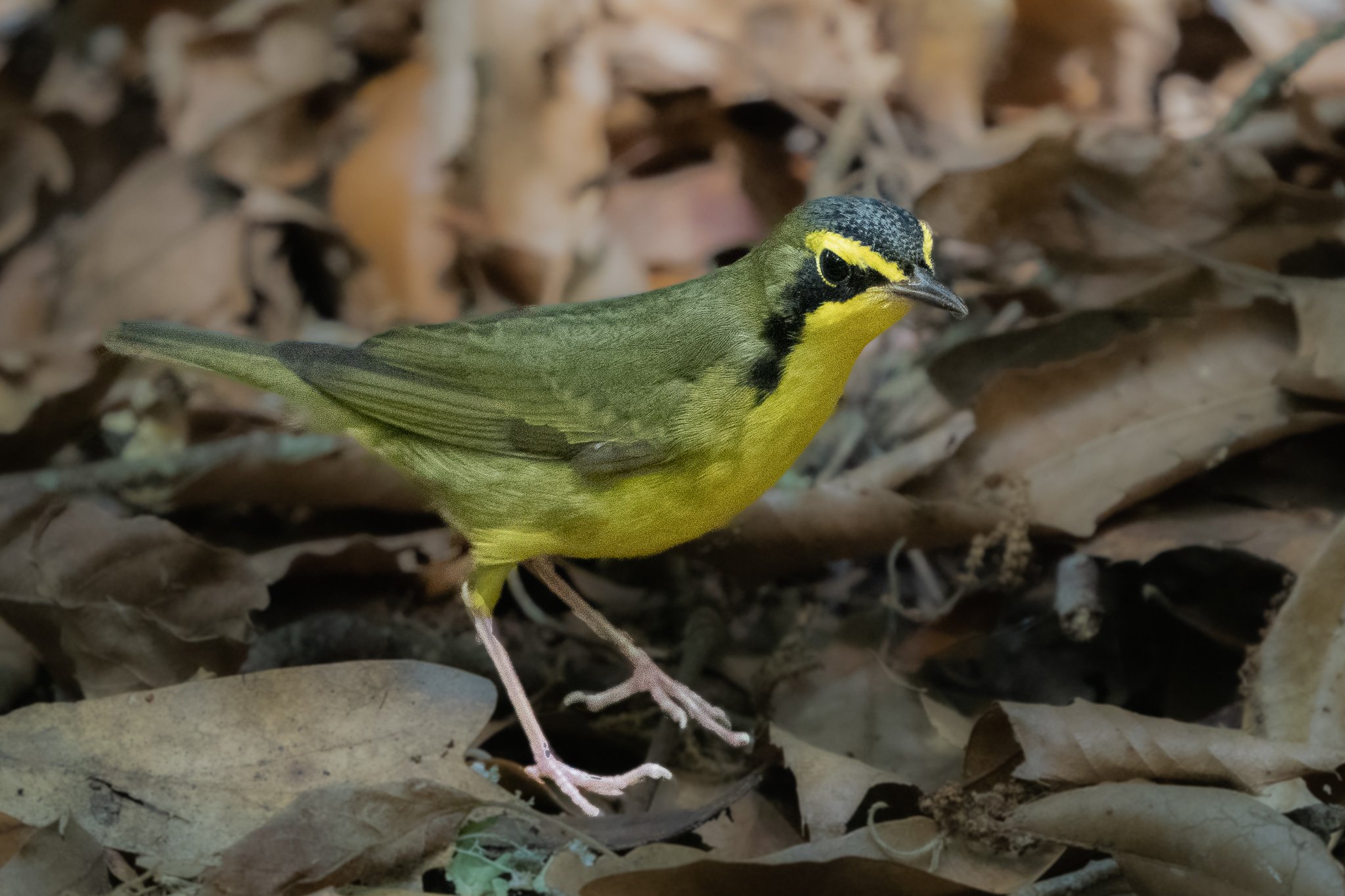
Kentucky Warbler

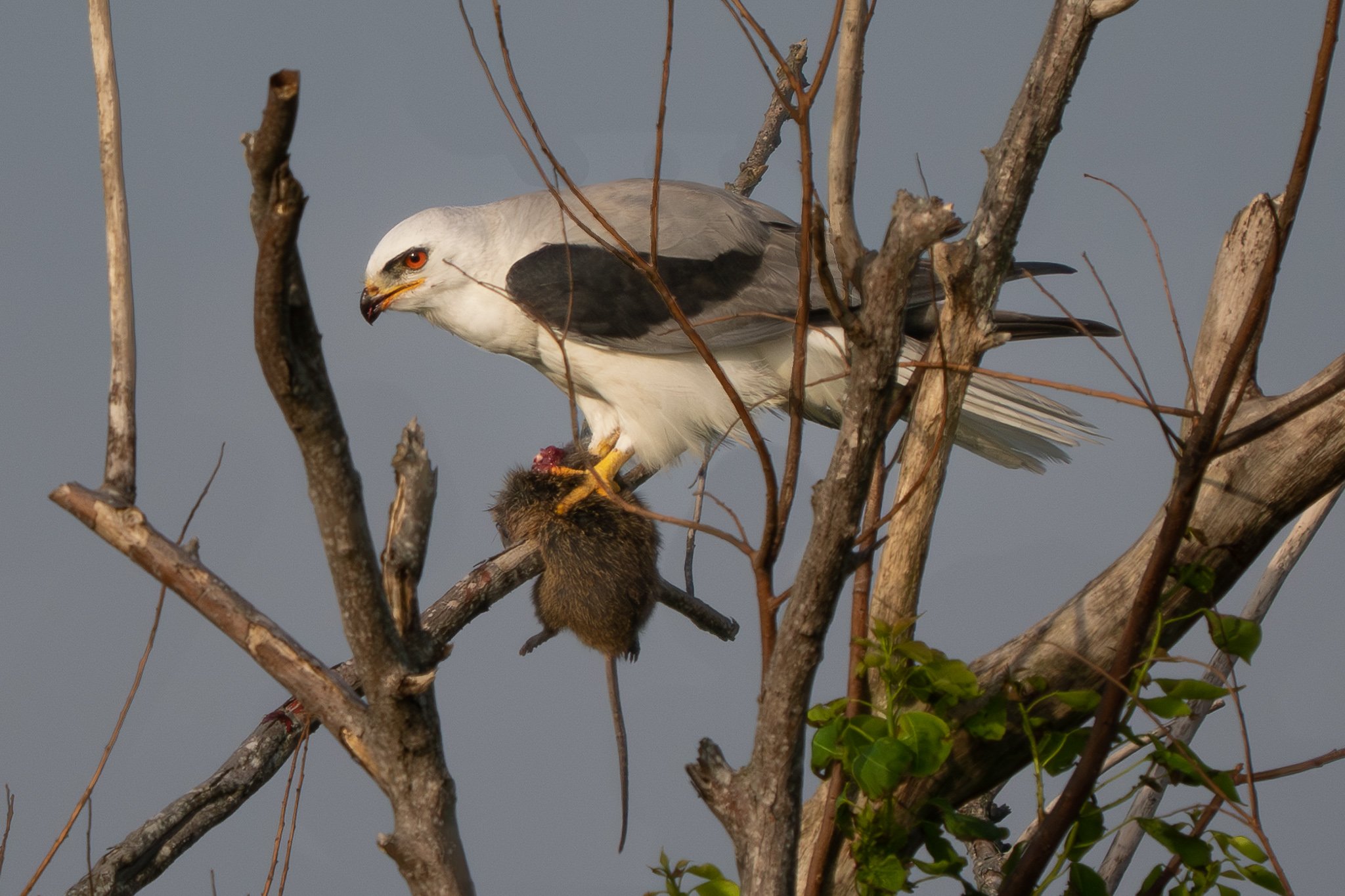
White-tailed Kite

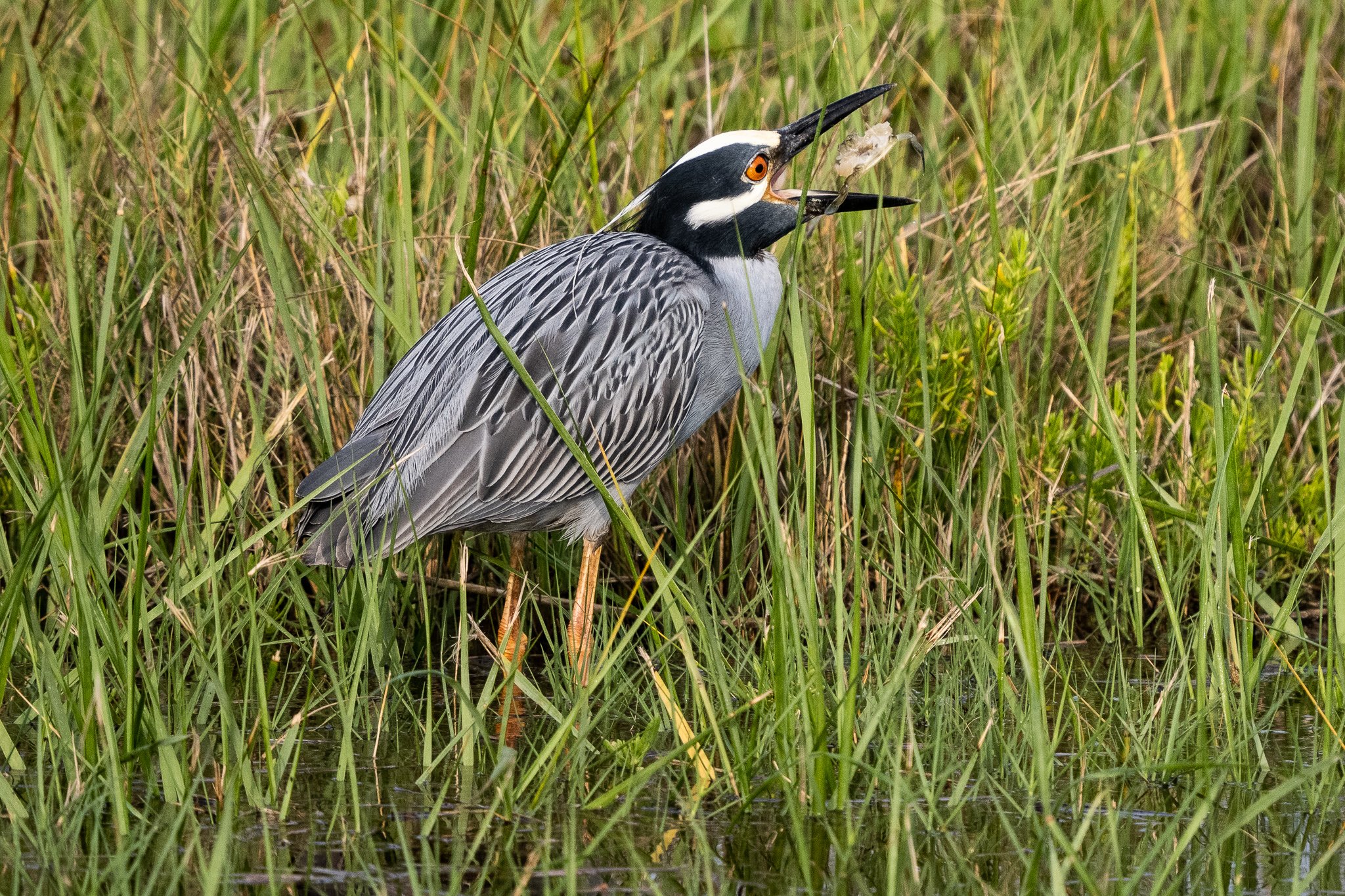
Yellow-crowned Night Heron

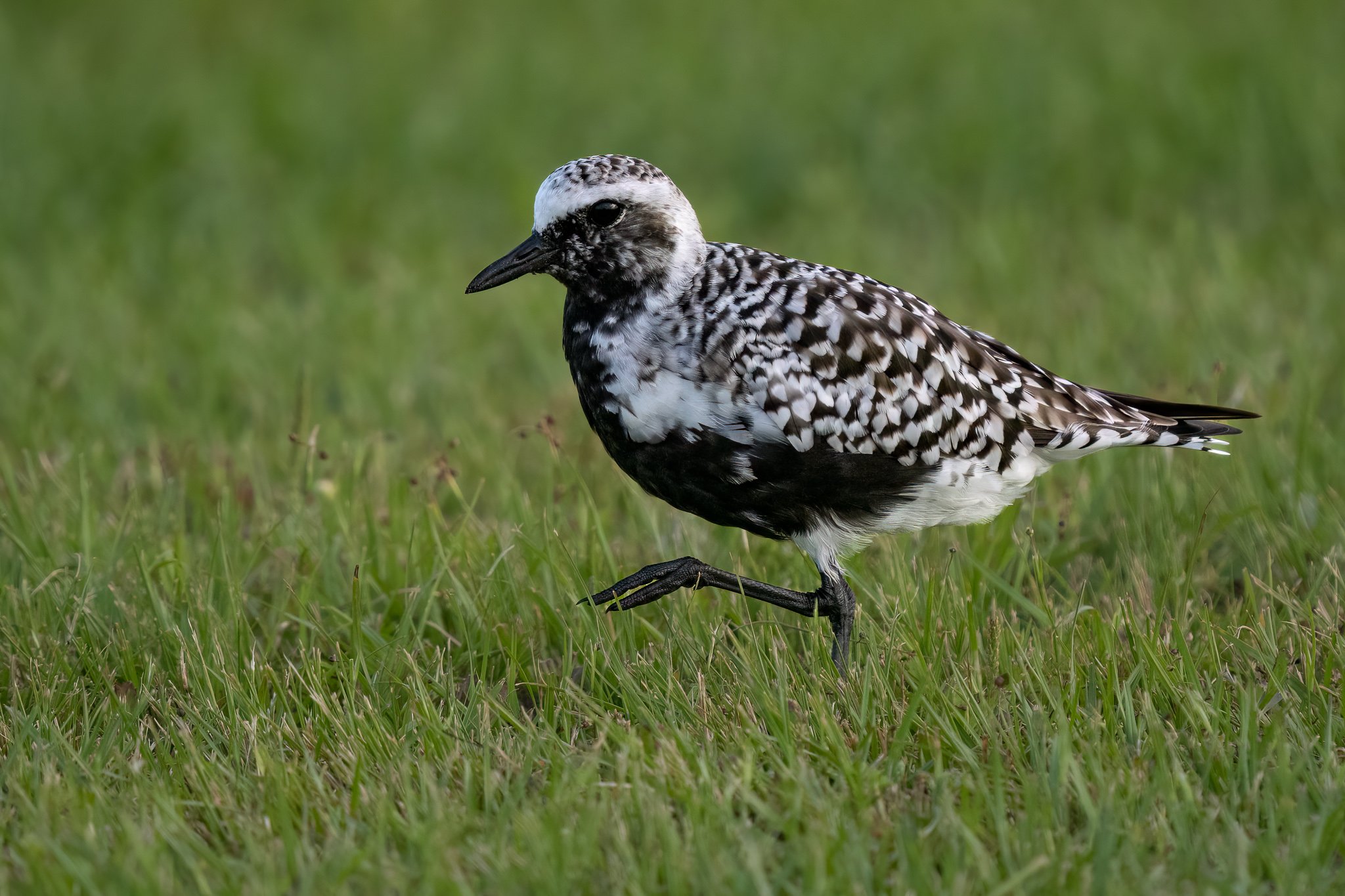
Black-bellied Plover

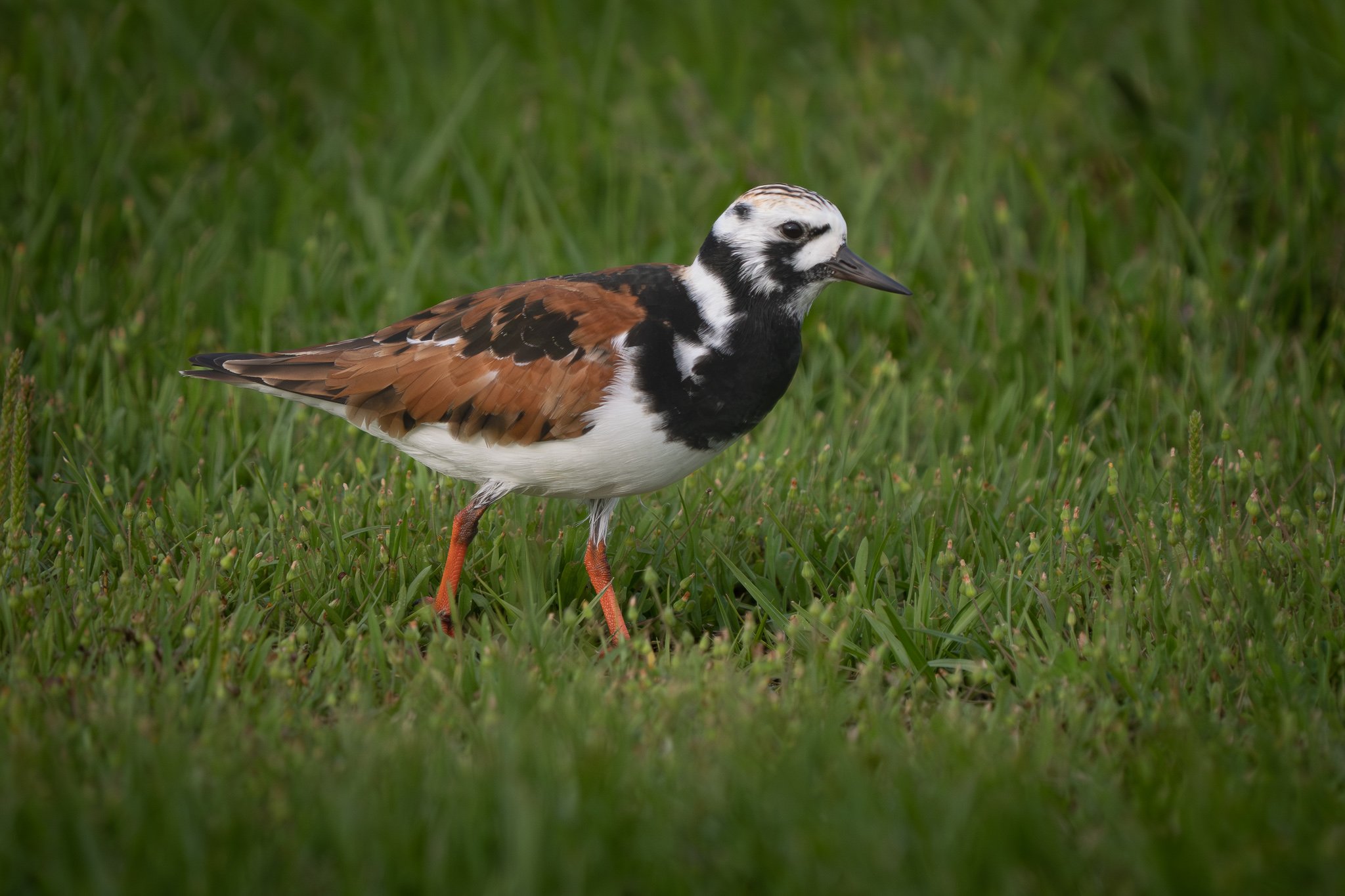
Ruddy Turnstone

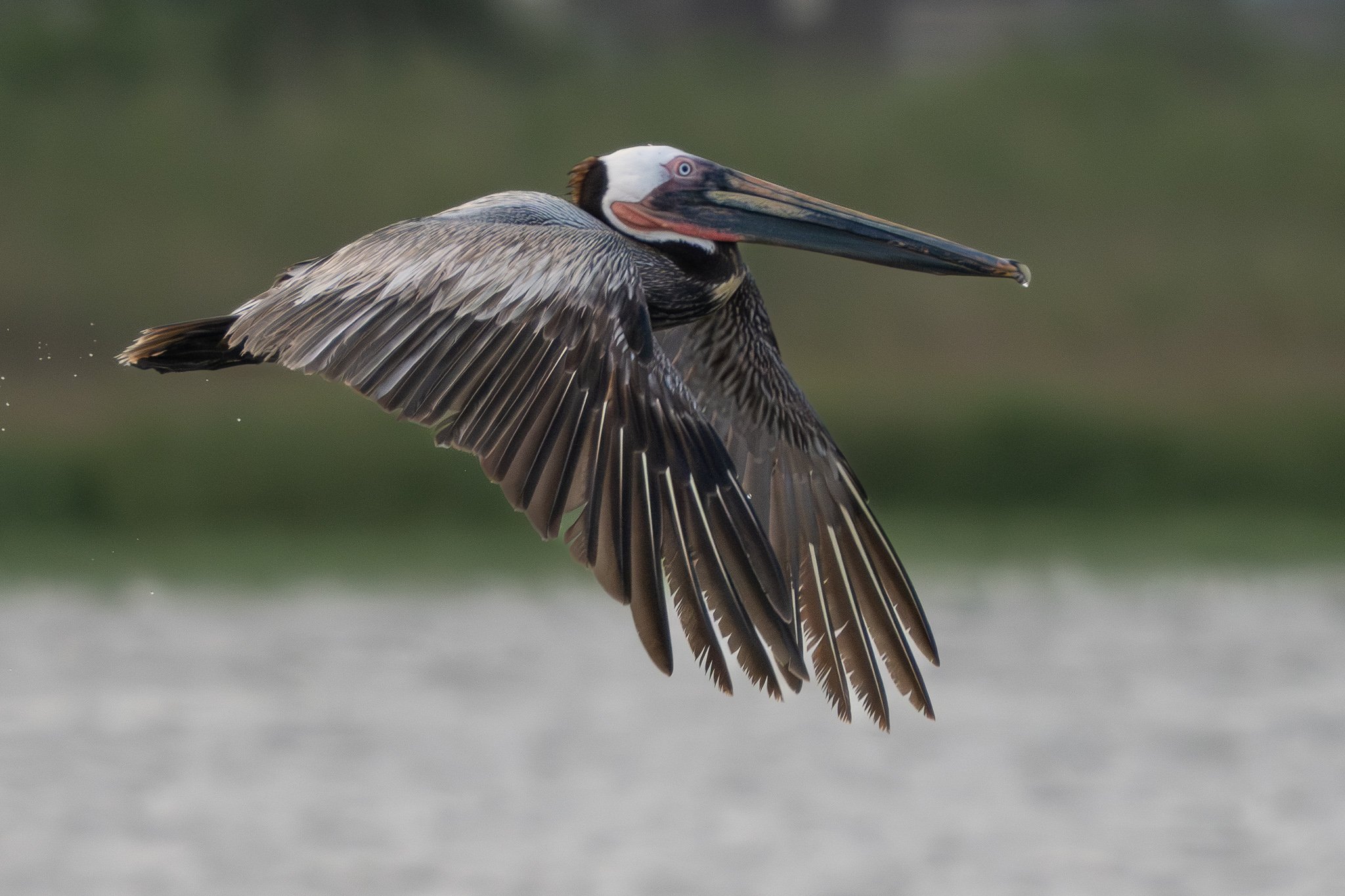
Brown Pelican

American Avocets

Brown Pelican

American Avocets

David Sparks

I retired in 2005 after 40 years of research and teaching at the University of Alabama in Birmingham (24 years), the University of Pennsylvania (8 years) and the Baylor College of Medicine (8 years). Photography is my retirement hobby.

Nature photography, especially bird photography, combines a number of things that I really enjoy: bird-watching, being outdoors, photography, travel, messing about with computers, and learning new skills and concepts.  I now spend much of my time engaged in these activities.

David Sibley in the preface to The Sibley Guide to Birds wrote "Birds are beautiful, in spectacular as well as subtle ways; their colors, shapes, actions, and sounds are among the most aesthetically pleasing in nature."  My goal is to acquire images that capture the beauty and uniqueness of selected species as well as images that highlight the engaging behaviors the birds exhibit. 

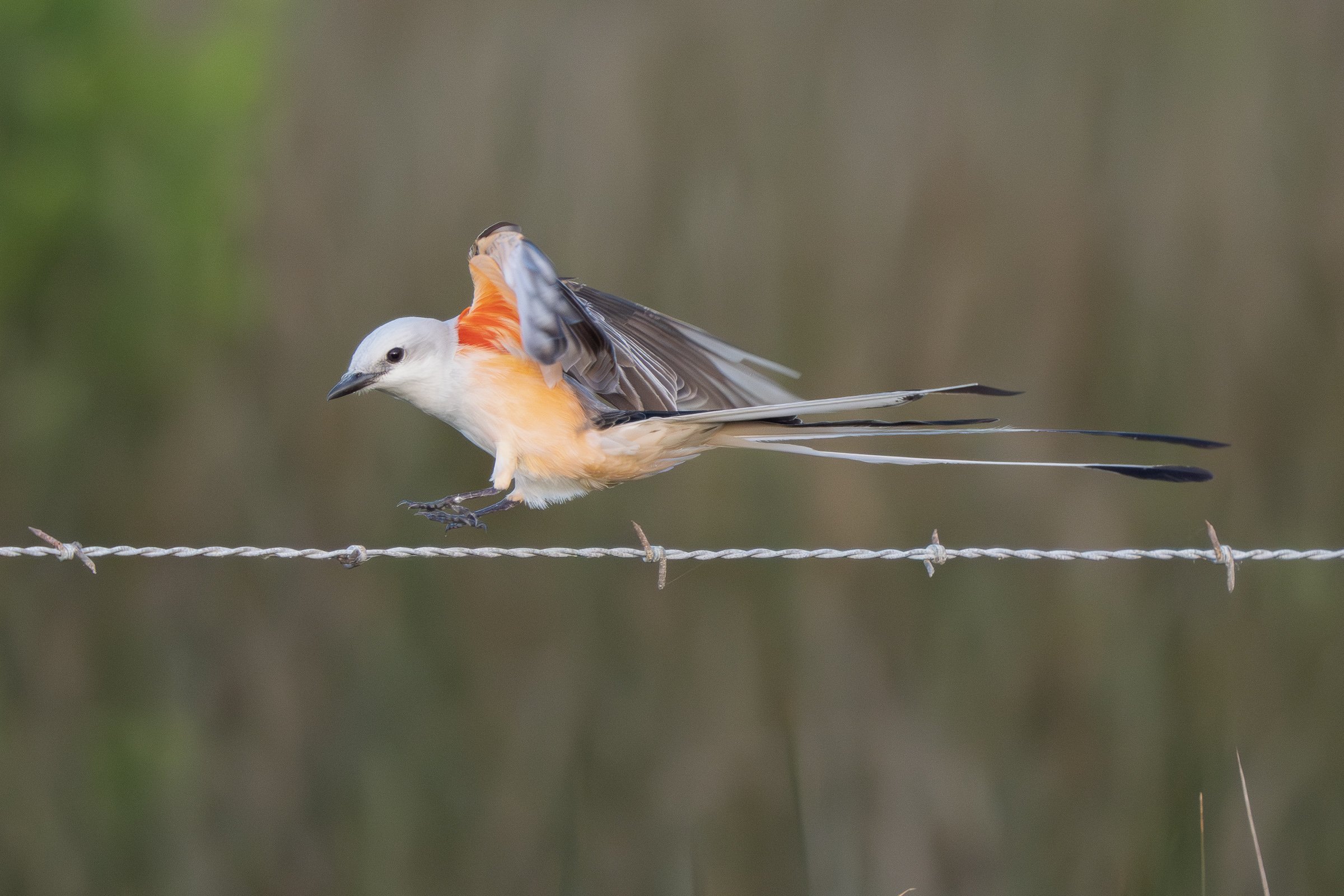
A bird with a long tail (Scissor-tailed Flycatcher) makes a short flight.

Photos taken April 24, 2023. Bolivar Peninsula, TX.


David Sparks

I retired in 2005 after 40 years of research and teaching at the University of Alabama in Birmingham (24 years), the University of Pennsylvania (8 years) and the Baylor College of Medicine (8 years). Photography is my retirement hobby.

Nature photography, especially bird photography, combines a number of things that I really enjoy: bird-watching, being outdoors, photography, travel, messing about with computers, and learning new skills and concepts.  I now spend much of my time engaged in these activities.

David Sibley in the preface to The Sibley Guide to Birds wrote "Birds are beautiful, in spectacular as well as subtle ways; their colors, shapes, actions, and sounds are among the most aesthetically pleasing in nature."  My goal is to acquire images that capture the beauty and uniqueness of selected species as well as images that highlight the engaging behaviors the birds exhibit. 

Tanzania - 2020 - Part 17 - Even more images of Tanzania birds

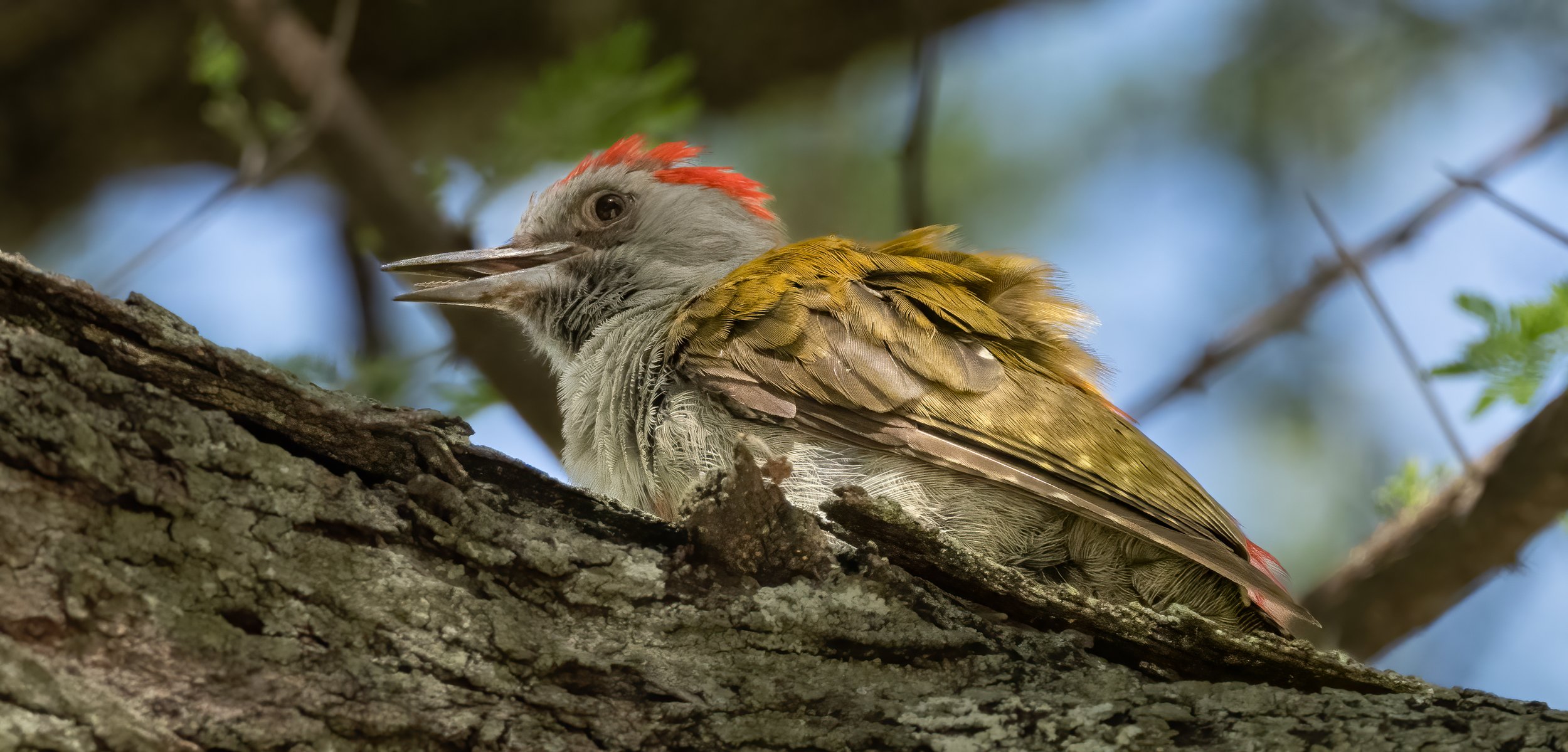
African Grey Woodpecker

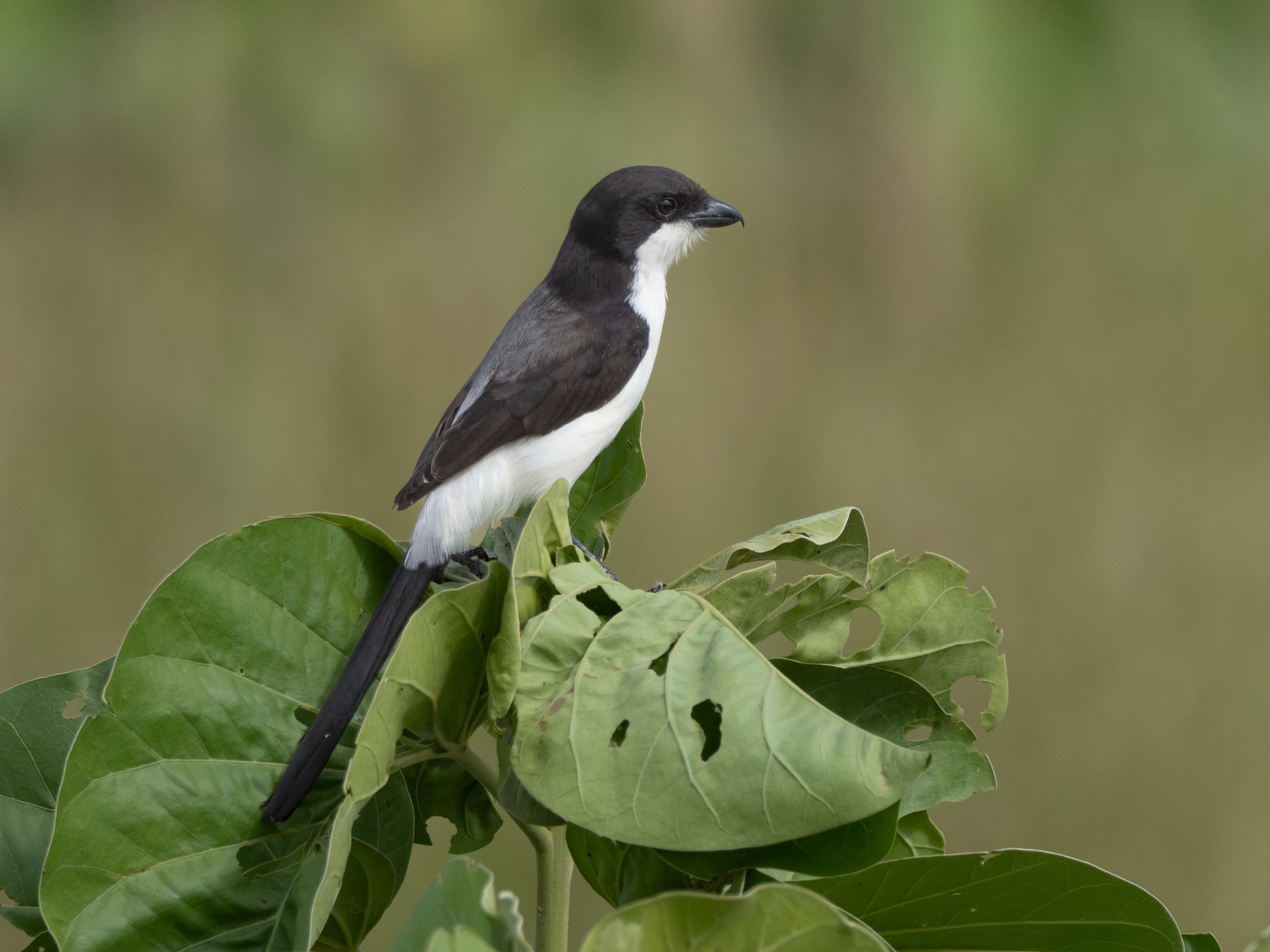
Long-tailed Fiscal

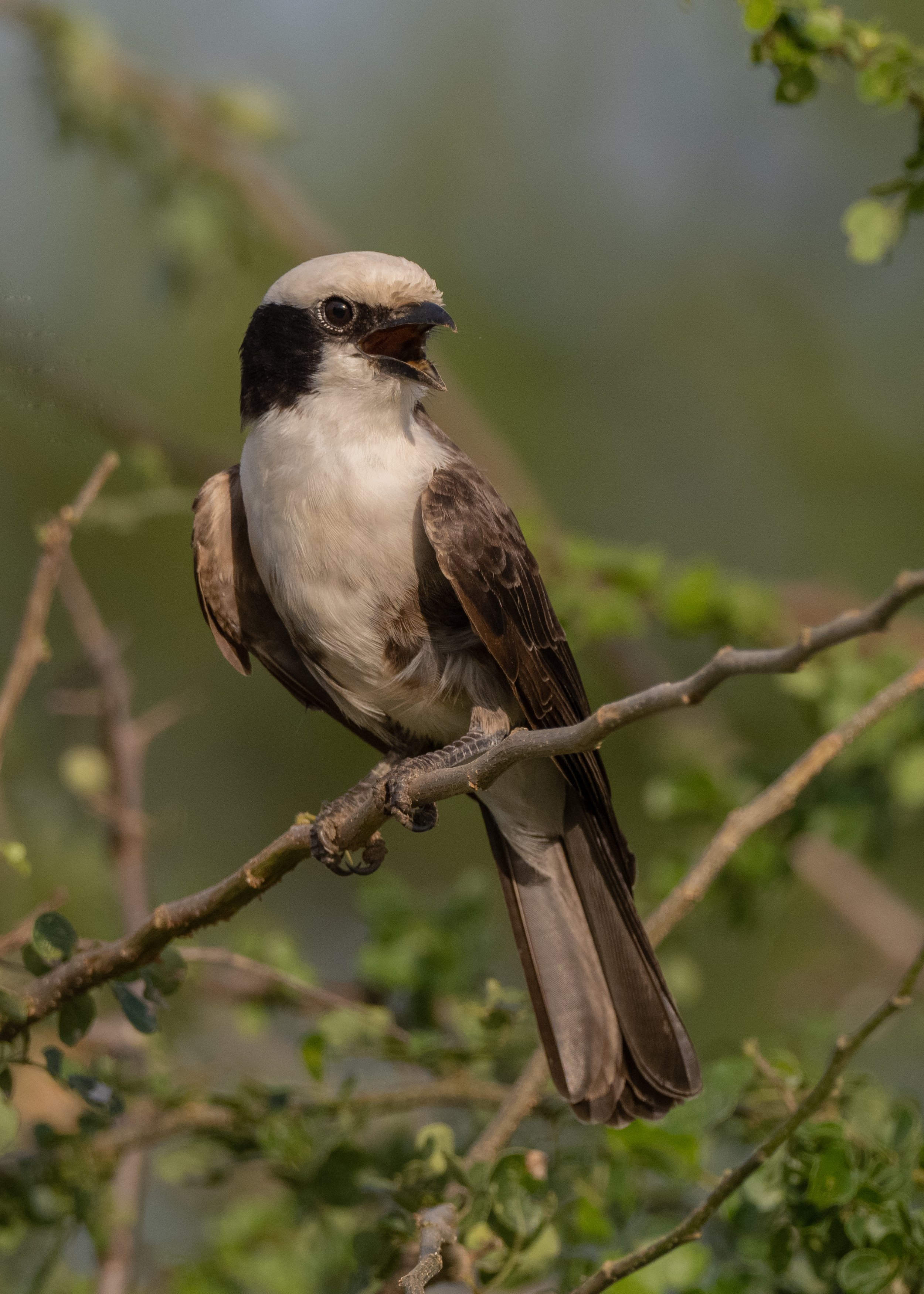
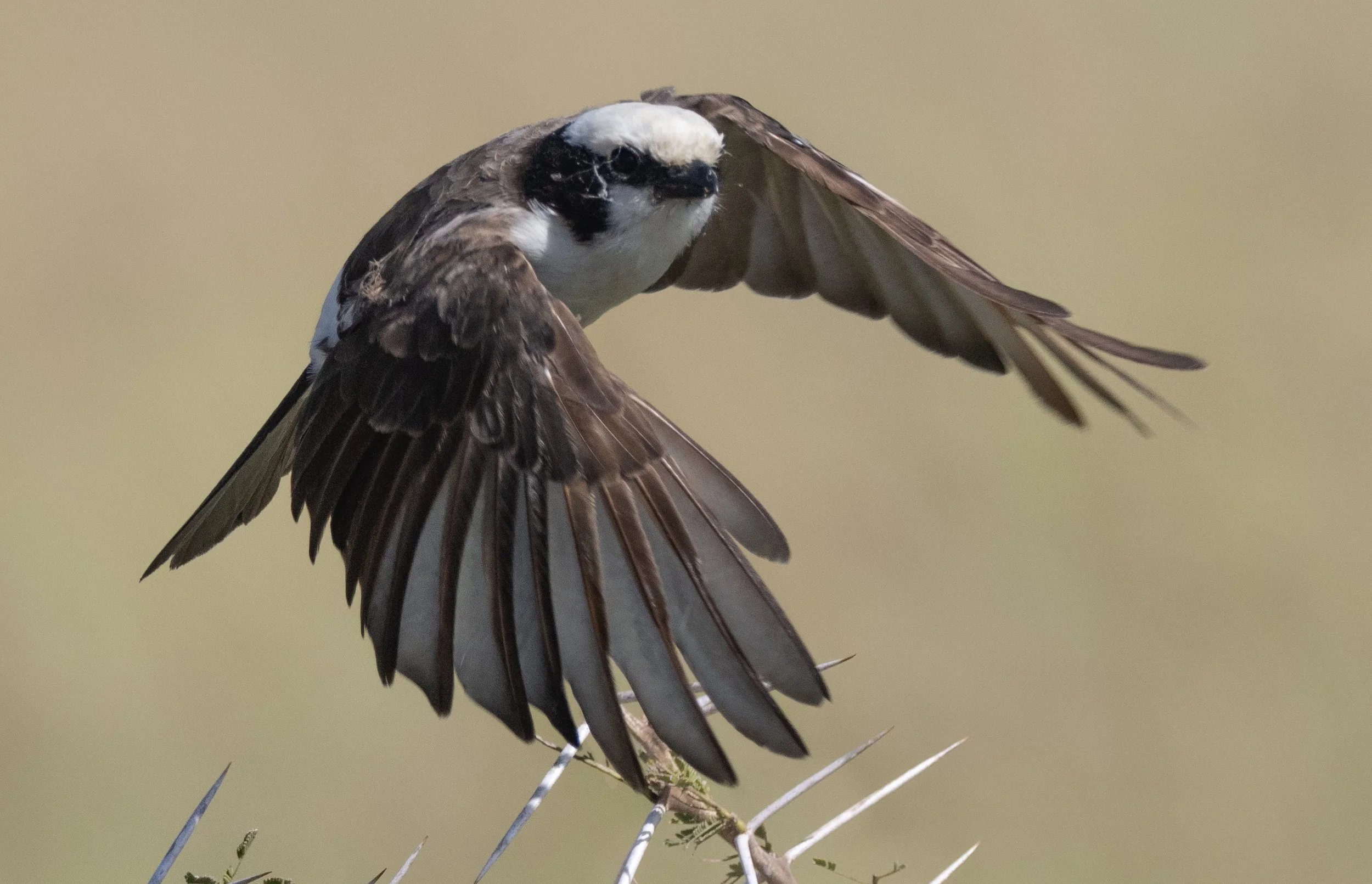
Northern White-crowned Shrike

White-headed Buffalo-Weaver

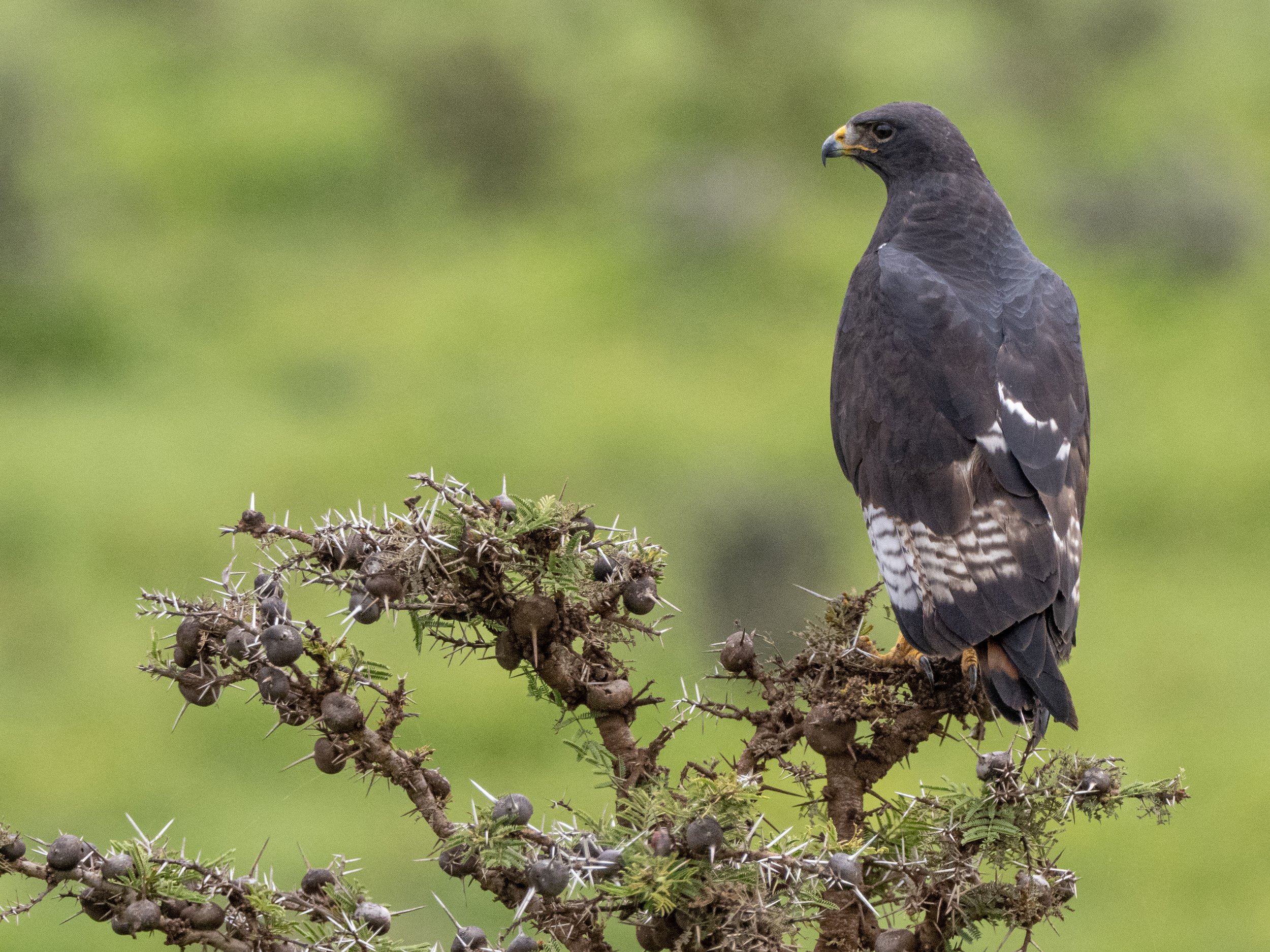
Augur Buzzard

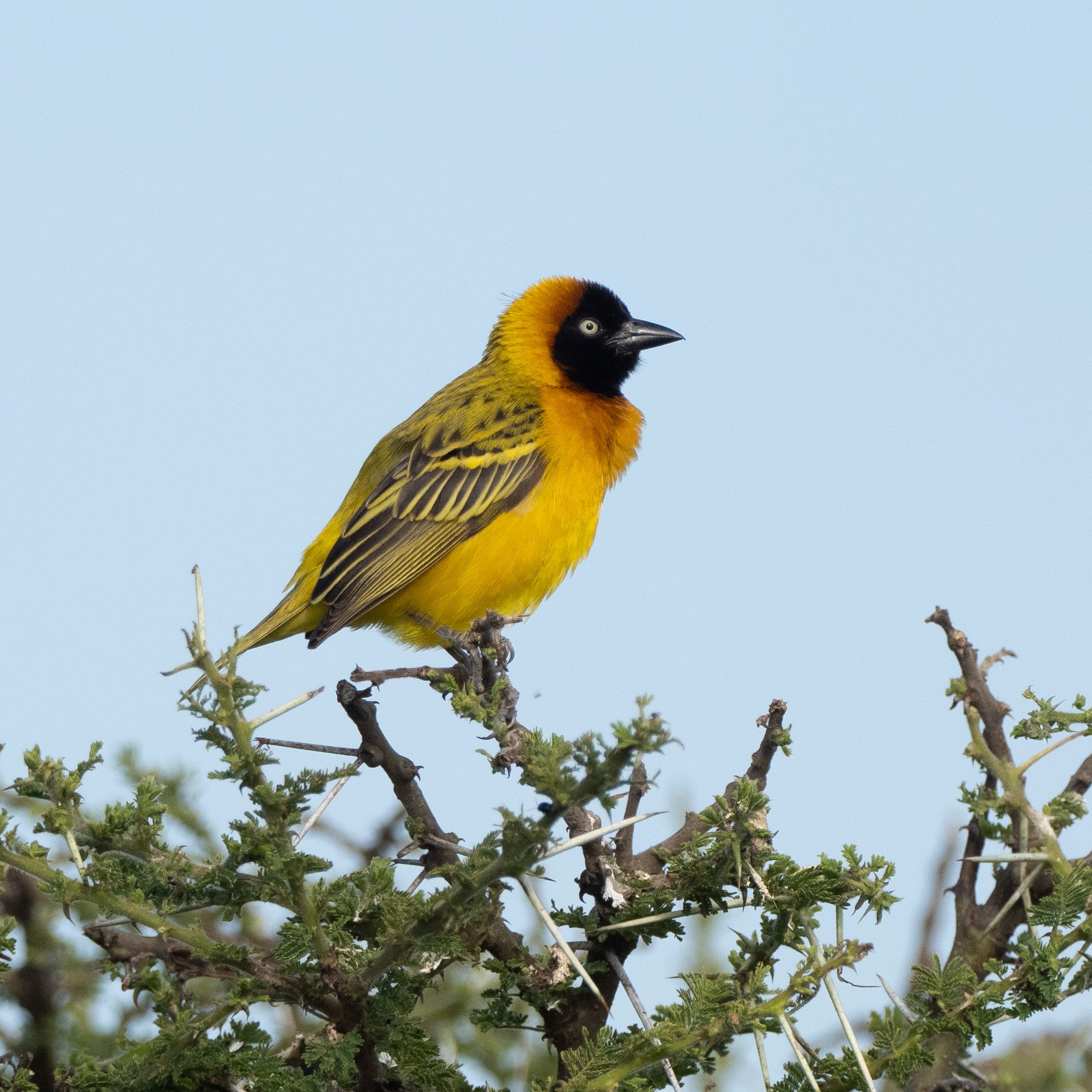
Speke’s Weaver

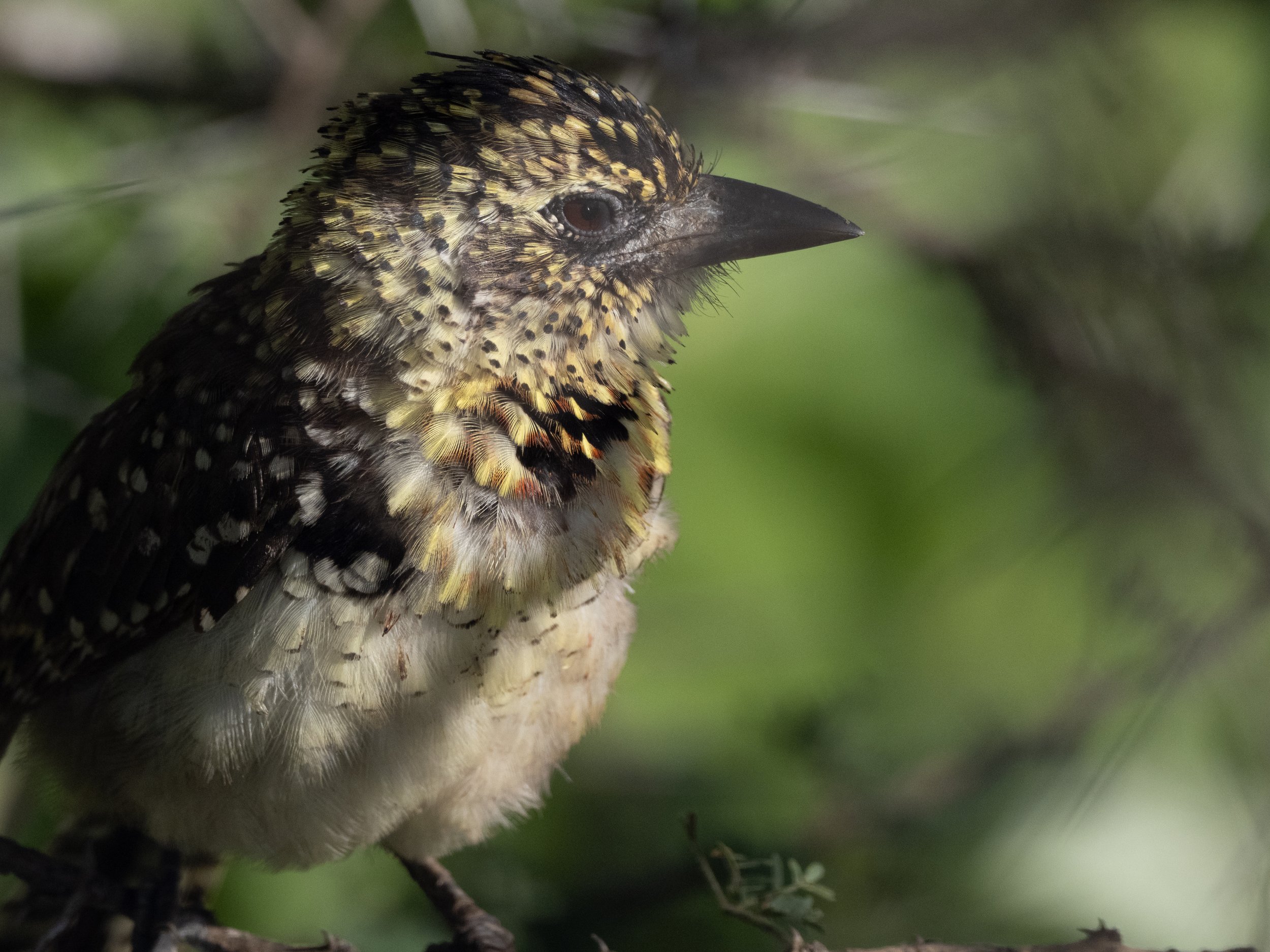
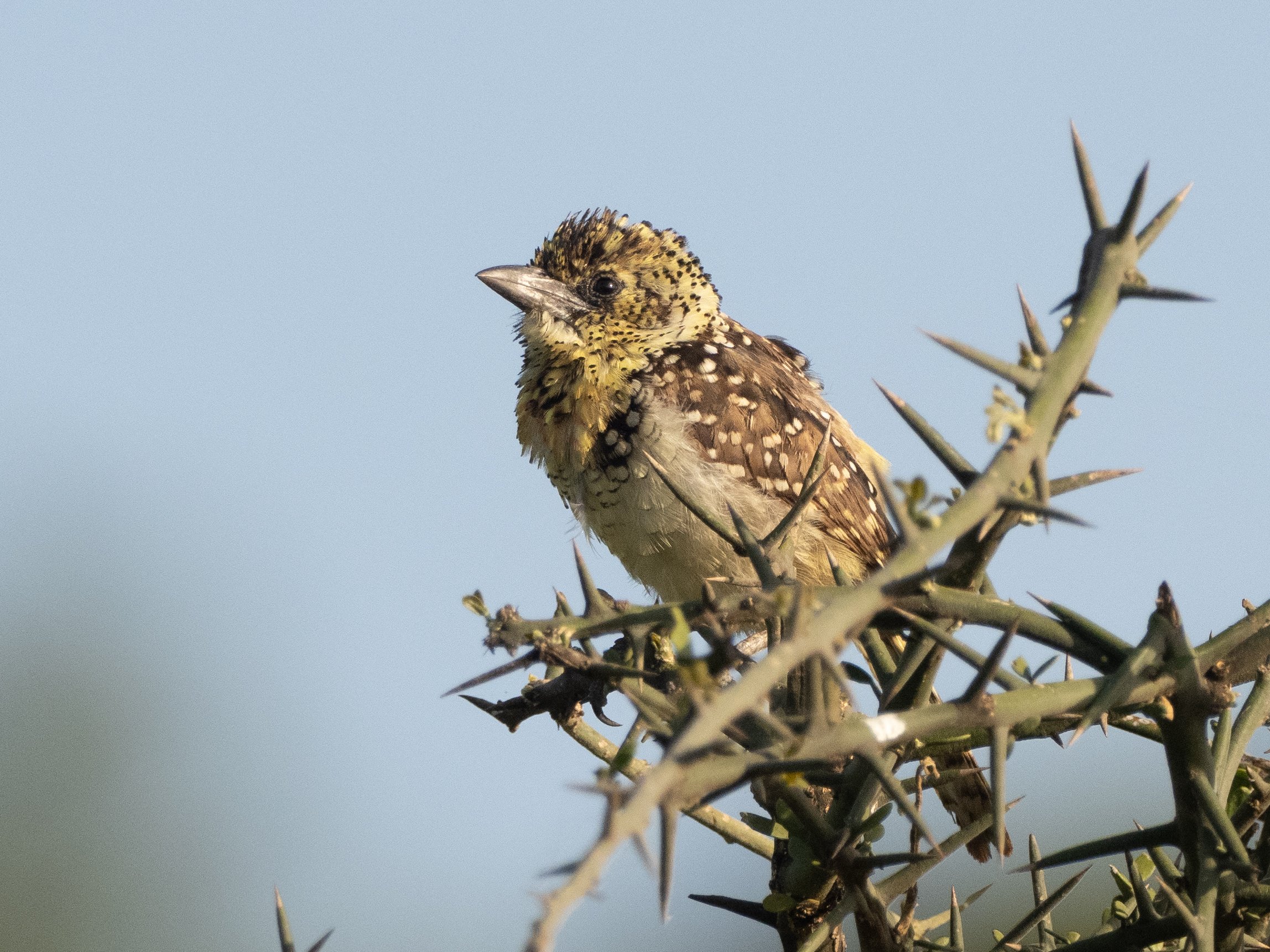
D’Arnaud’s Barbet


D’Arnaud’s Barbet

Northern White-crowned Shrike

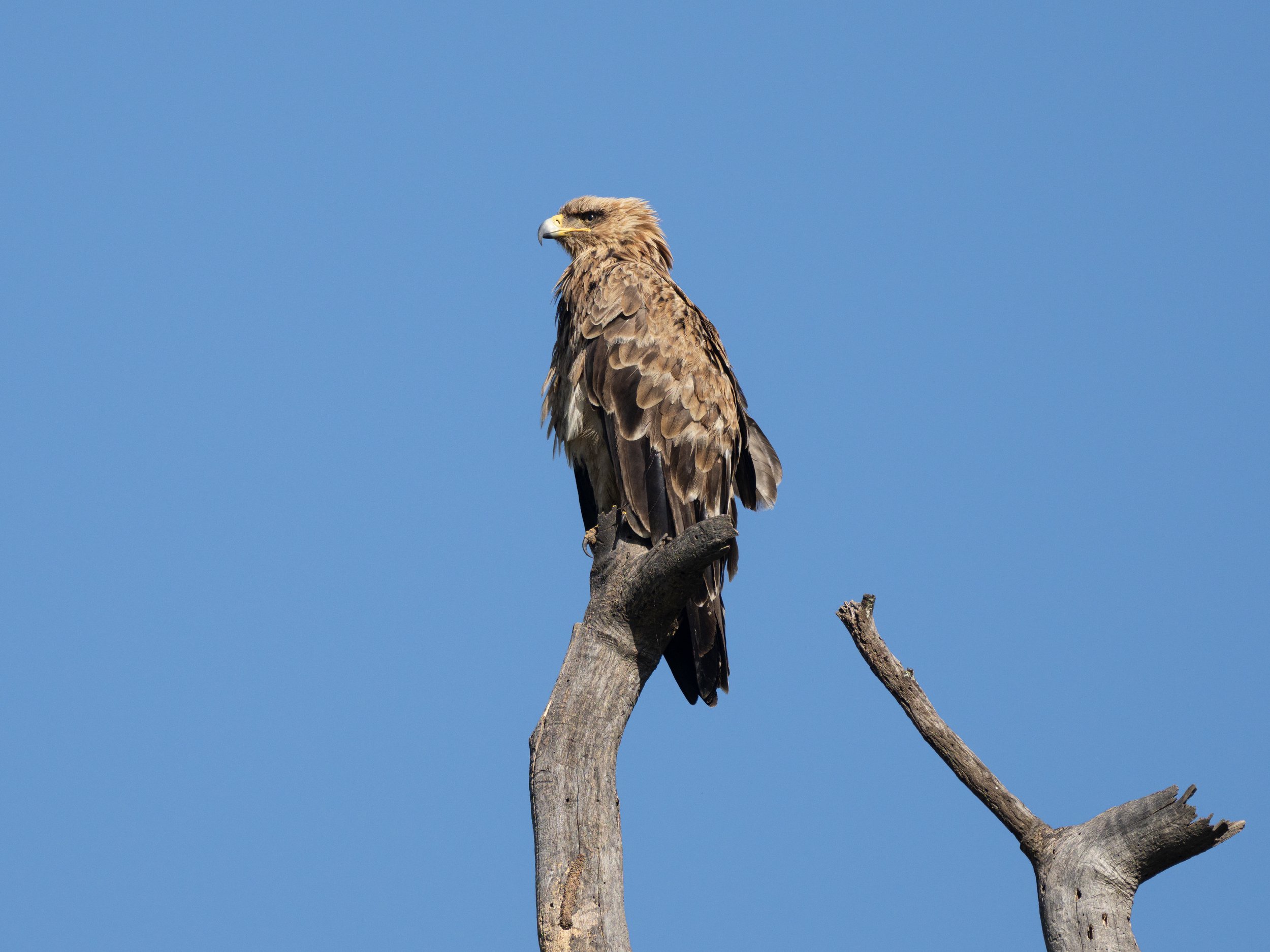
Tawny Eagle


David Sparks

I retired in 2005 after 40 years of research and teaching at the University of Alabama in Birmingham (24 years), the University of Pennsylvania (8 years) and the Baylor College of Medicine (8 years). Photography is my retirement hobby.

Nature photography, especially bird photography, combines a number of things that I really enjoy: bird-watching, being outdoors, photography, travel, messing about with computers, and learning new skills and concepts.  I now spend much of my time engaged in these activities.

David Sibley in the preface to The Sibley Guide to Birds wrote "Birds are beautiful, in spectacular as well as subtle ways; their colors, shapes, actions, and sounds are among the most aesthetically pleasing in nature."  My goal is to acquire images that capture the beauty and uniqueness of selected species as well as images that highlight the engaging behaviors the birds exhibit. 

Tanzania - 2020 - Part 16 - More images of Tanzania birds

Pearl-spotted Owl

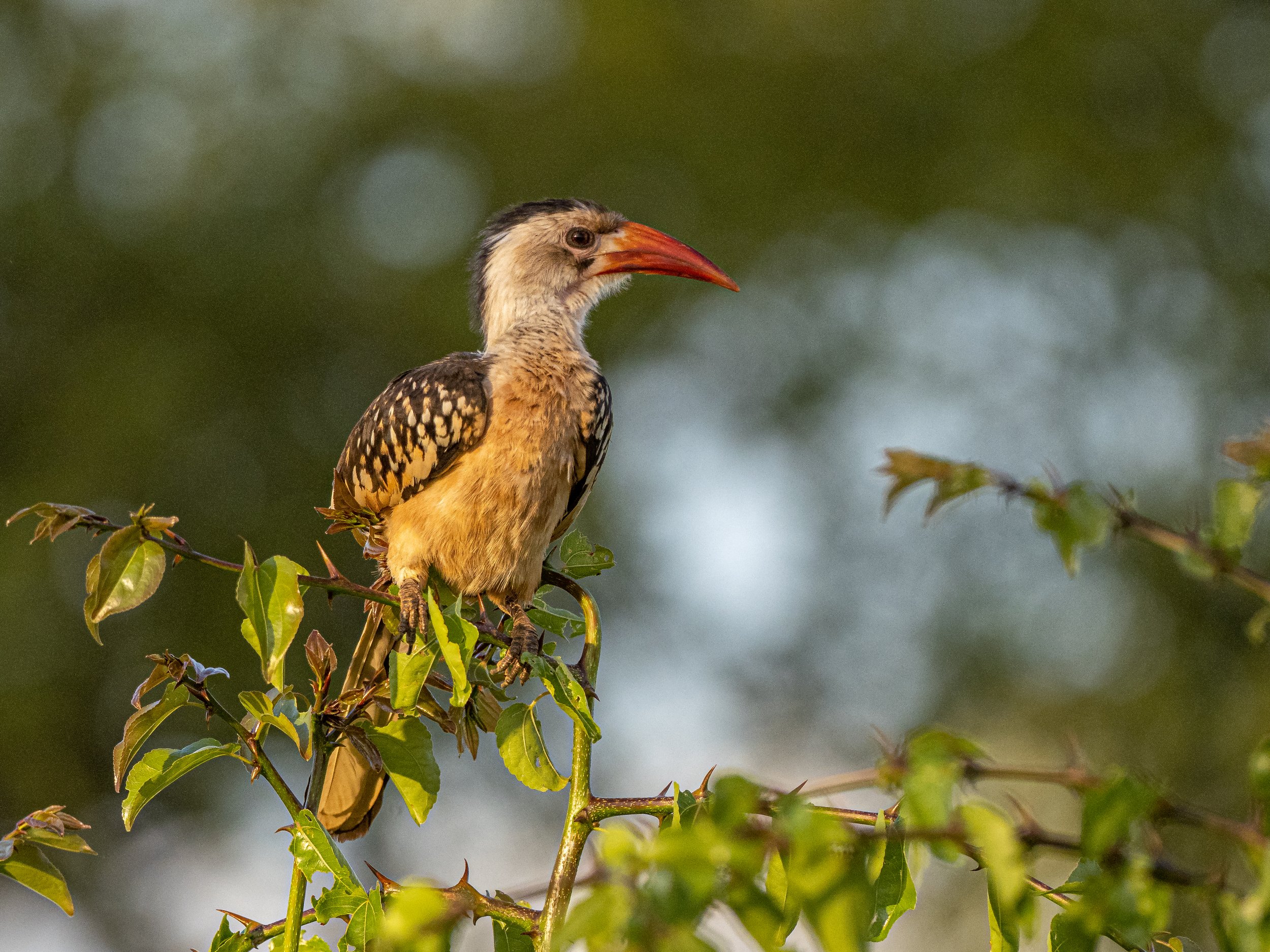
Red-billed Hornbill

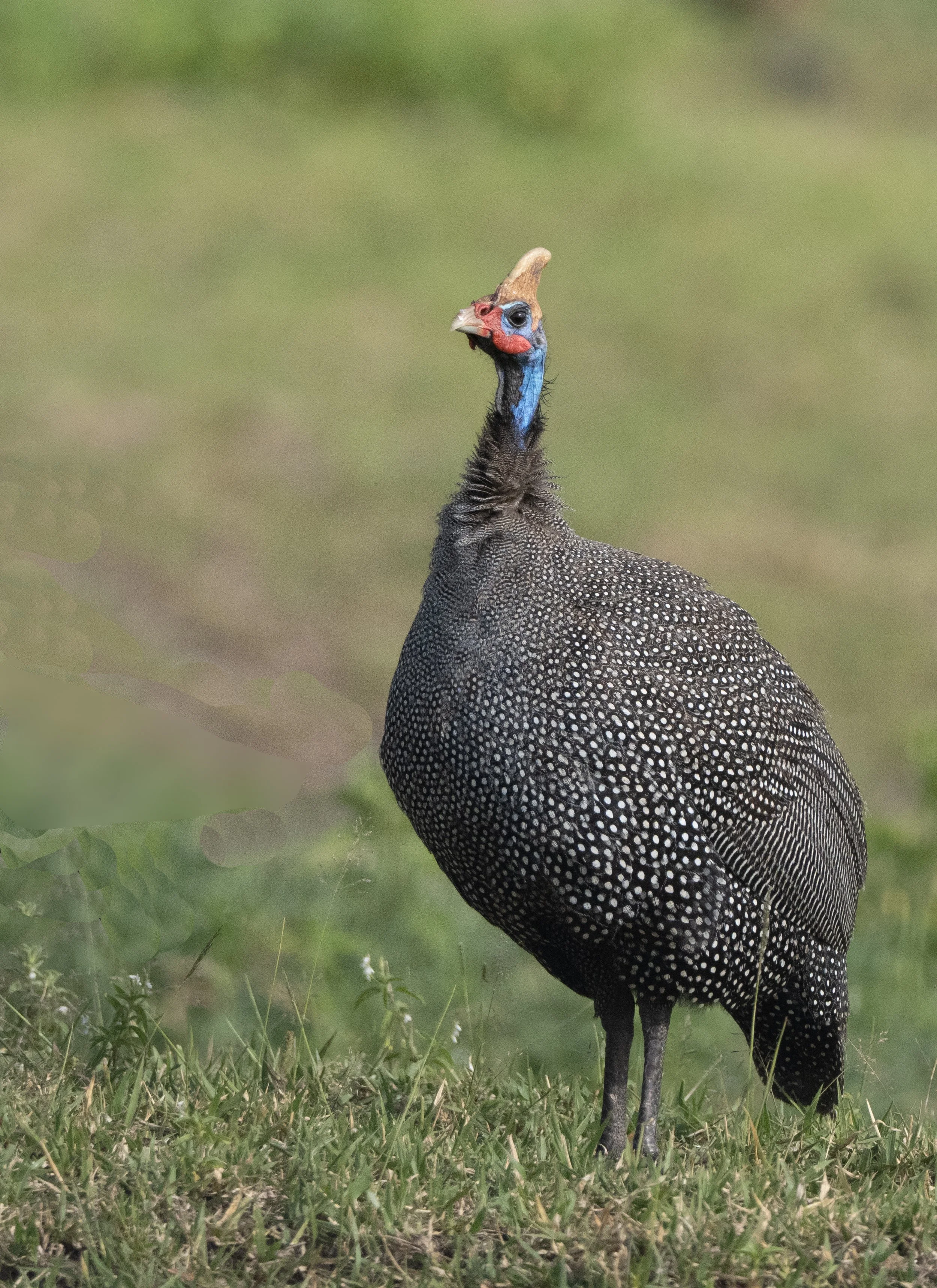
Helmeted Guineafowl

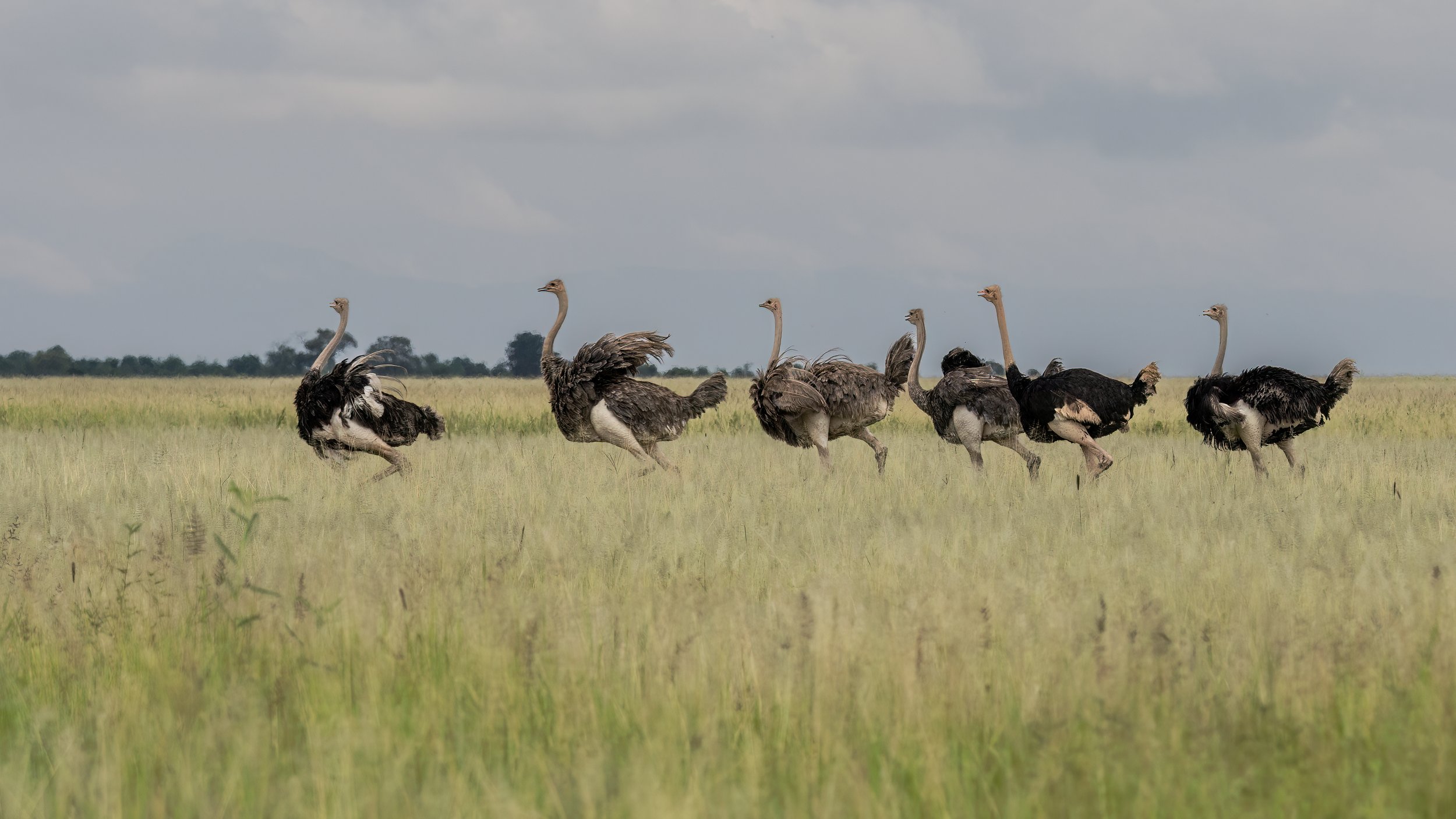
Common Ostrich

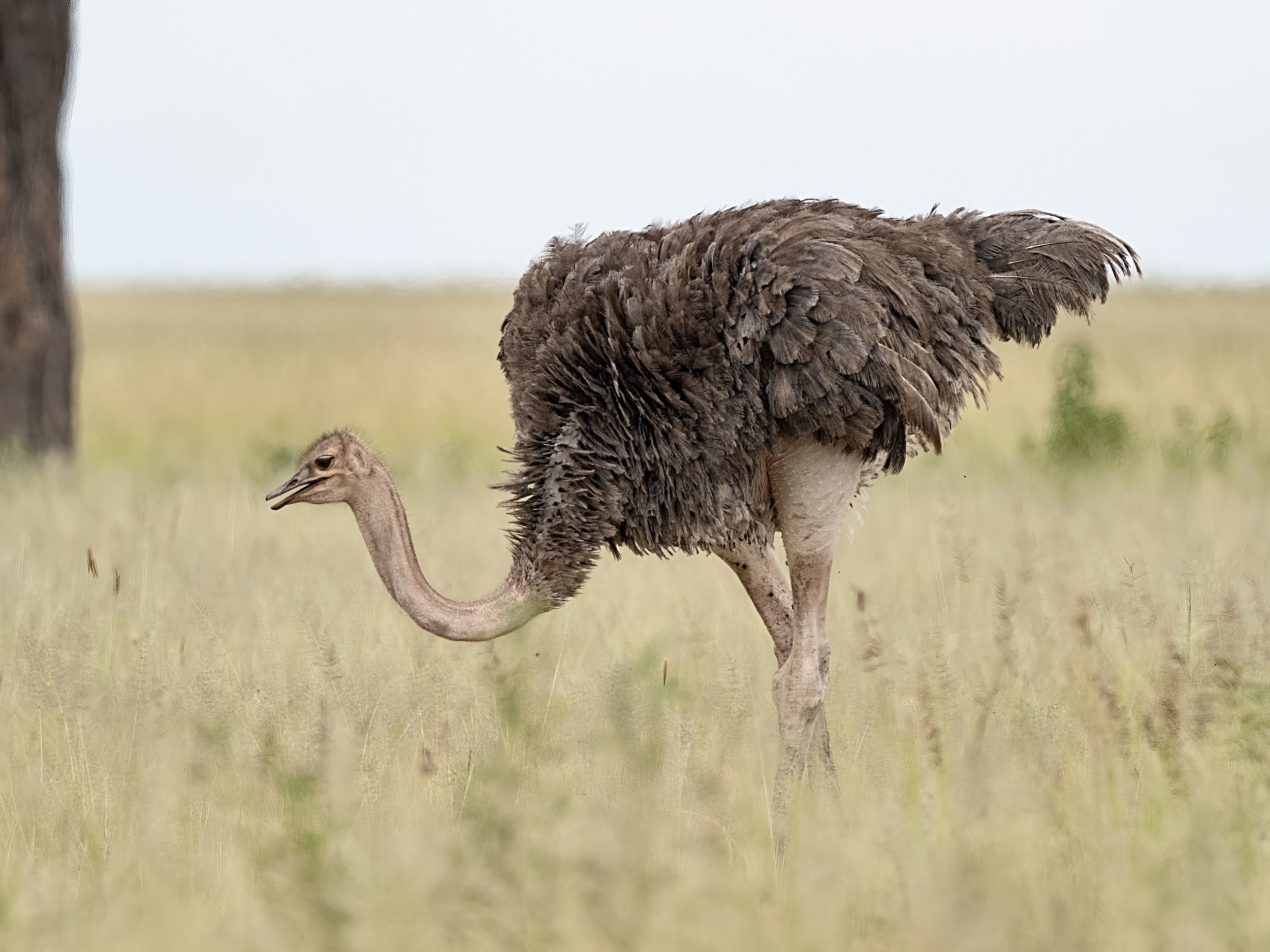
Common Ostrich

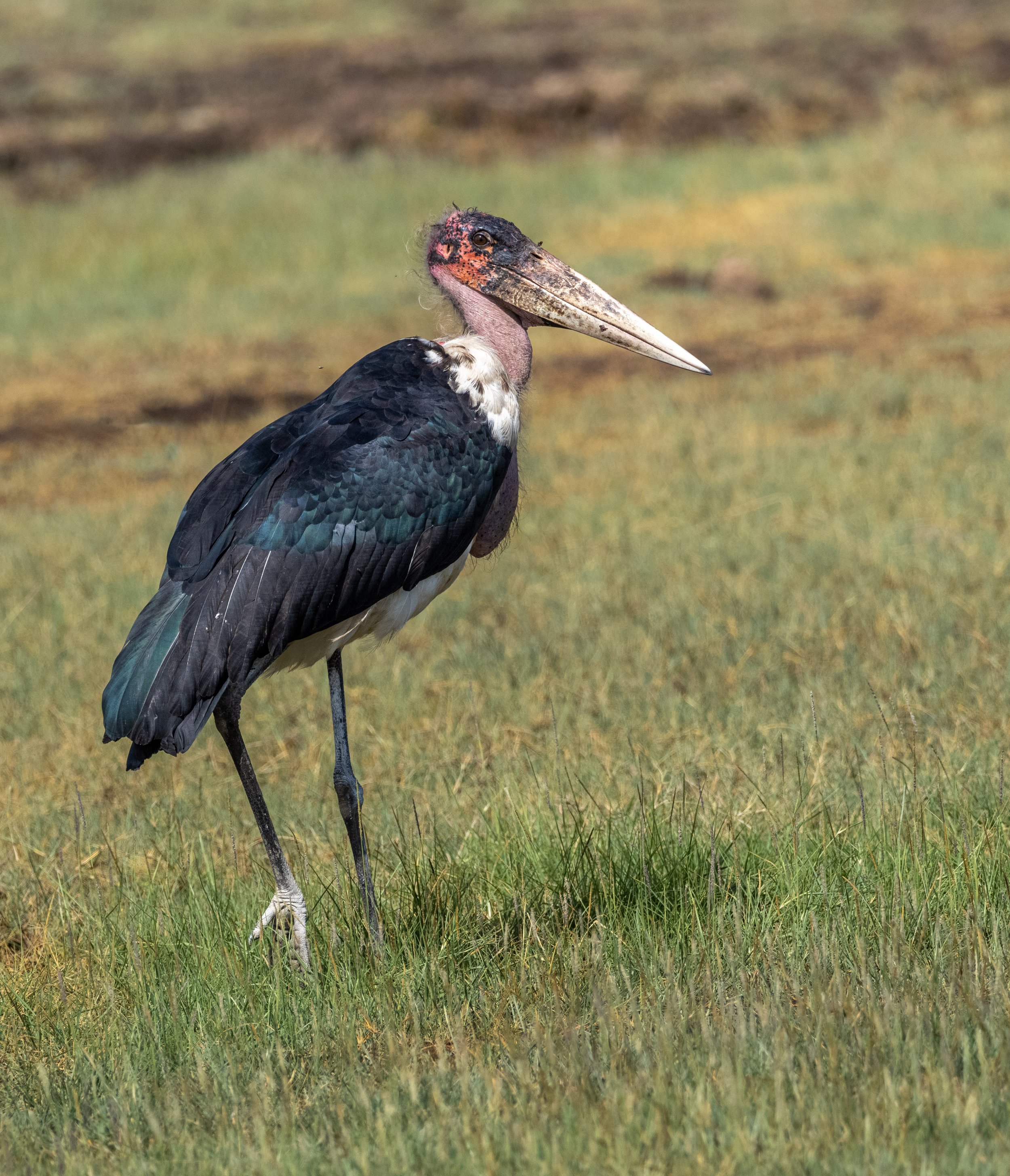
Marabou Stork

Marabou Stork

Abdim’s Stork,

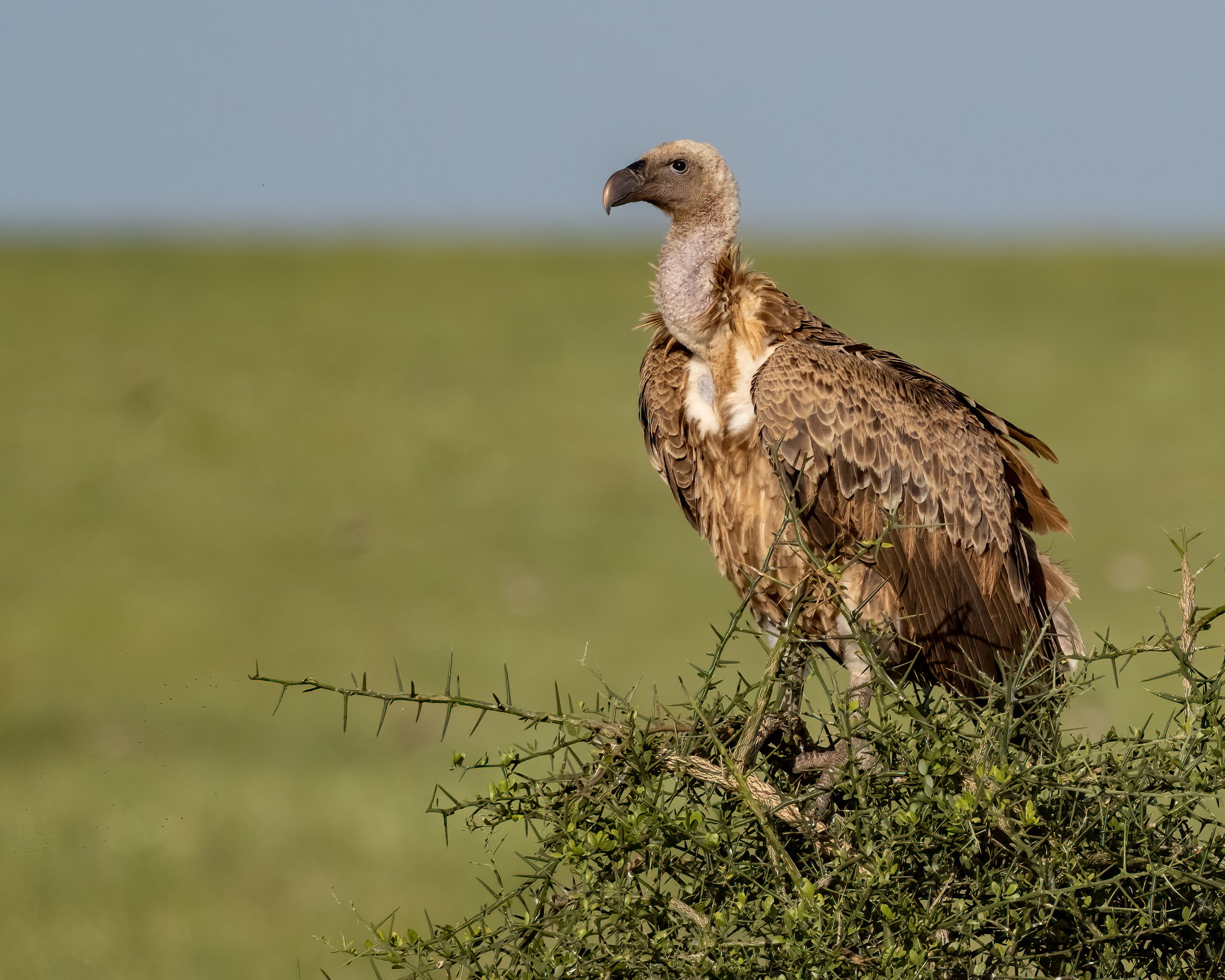
Ruppell’s Griffon Vulture

Lappet-faced Vulture

Ruppell’s Griffon Vulture


David Sparks

I retired in 2005 after 40 years of research and teaching at the University of Alabama in Birmingham (24 years), the University of Pennsylvania (8 years) and the Baylor College of Medicine (8 years). Photography is my retirement hobby.

Nature photography, especially bird photography, combines a number of things that I really enjoy: bird-watching, being outdoors, photography, travel, messing about with computers, and learning new skills and concepts.  I now spend much of my time engaged in these activities.

David Sibley in the preface to The Sibley Guide to Birds wrote "Birds are beautiful, in spectacular as well as subtle ways; their colors, shapes, actions, and sounds are among the most aesthetically pleasing in nature."  My goal is to acquire images that capture the beauty and uniqueness of selected species as well as images that highlight the engaging behaviors the birds exhibit. 

Tanzania - 2020 - Part 15 - Images of birds photographed in Tanzania in February, 2020

Fourteen posts with photos and text related to a 2020 safari in Tanzania have been presented here previously. The supply of images depicting the amazing wildlife we observed during the trip was not depleted by those presentations, but entries about other topics appeared instead. In an effort to preserve memories of the trip, I recently reviewed the photos I saved from the trip and generated five additional blog entries.


Flamingo


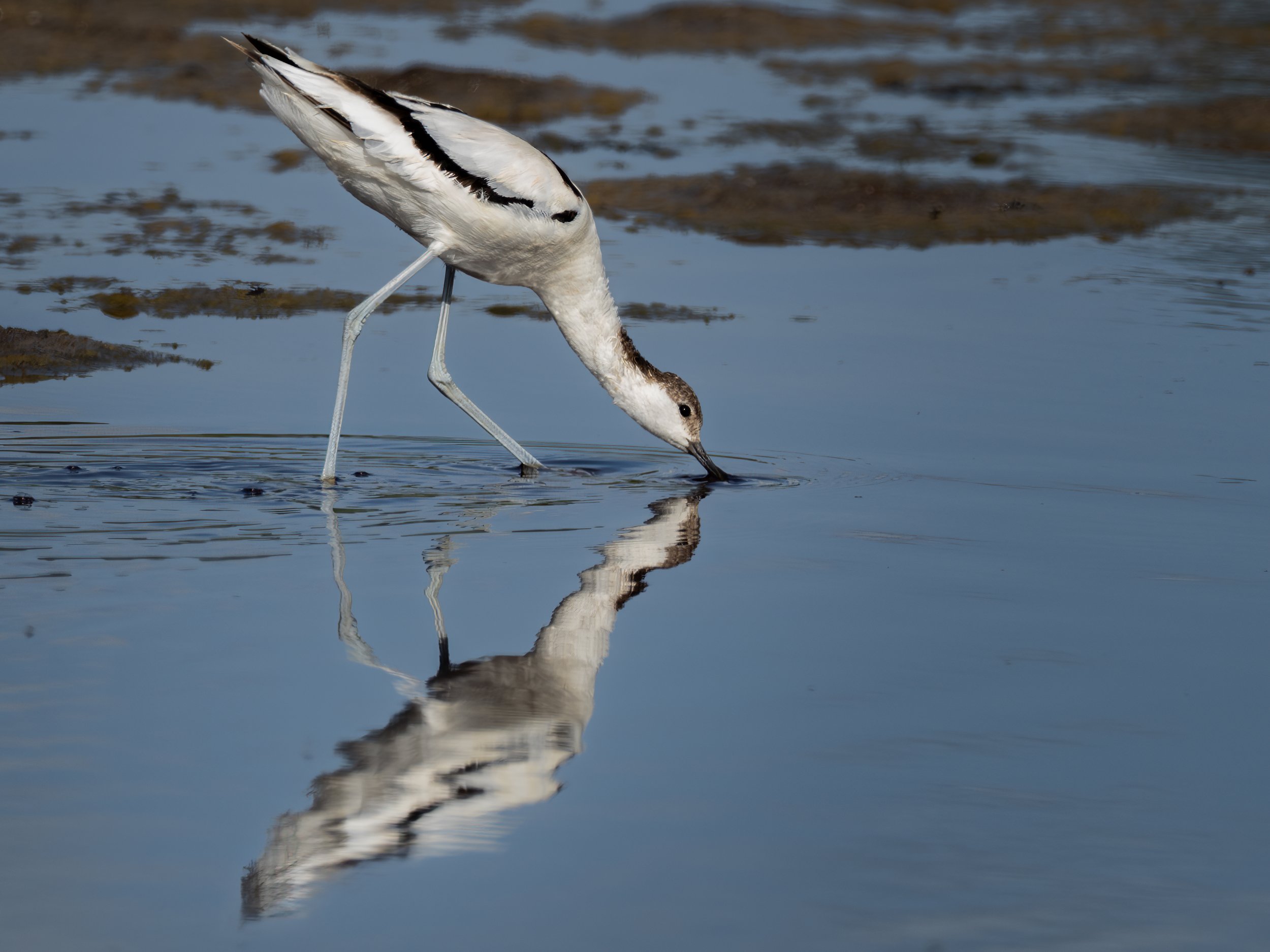
Pied Avocet


Pied Avocet

African Spoonbill

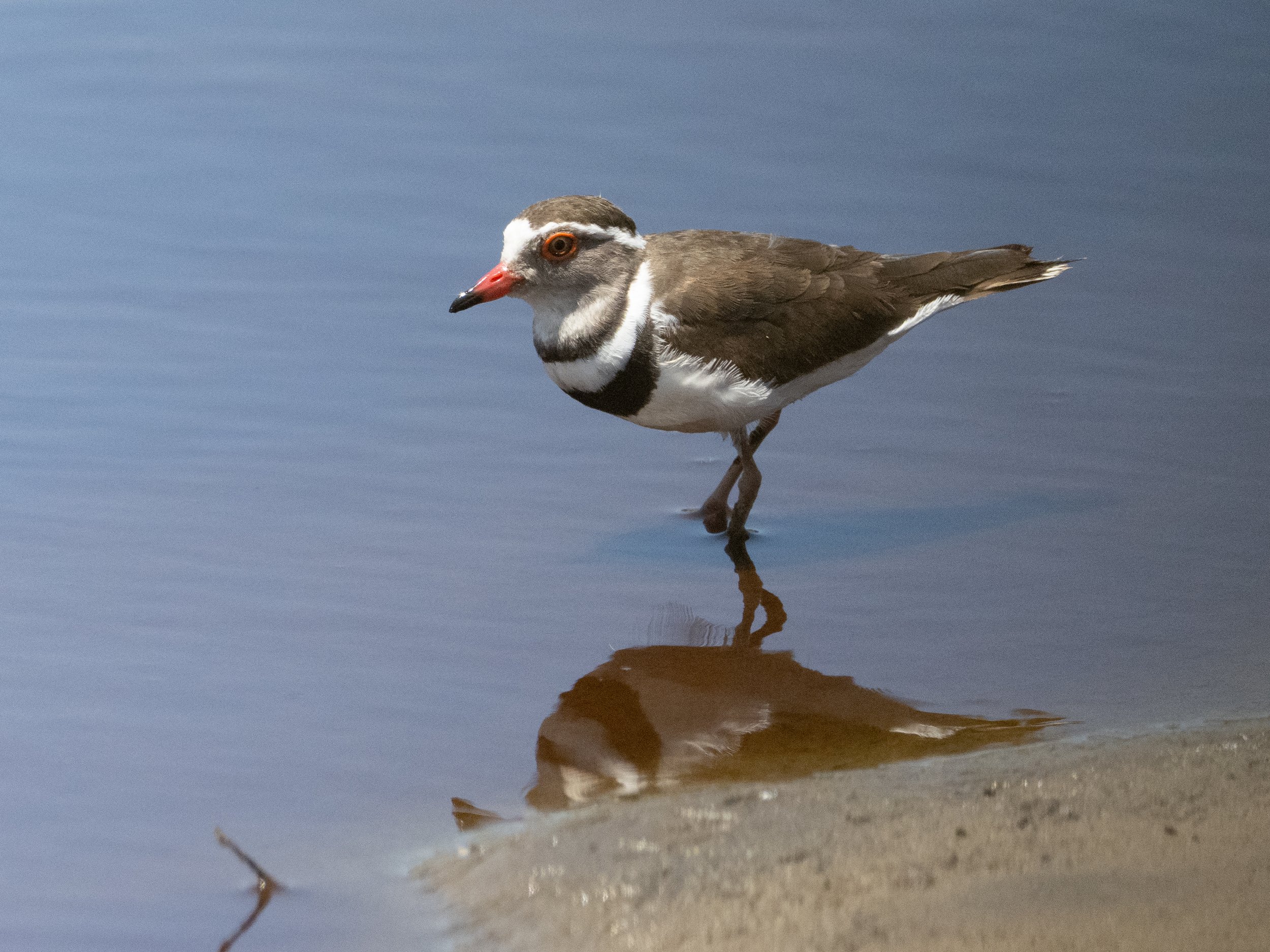
Three-banded Plover

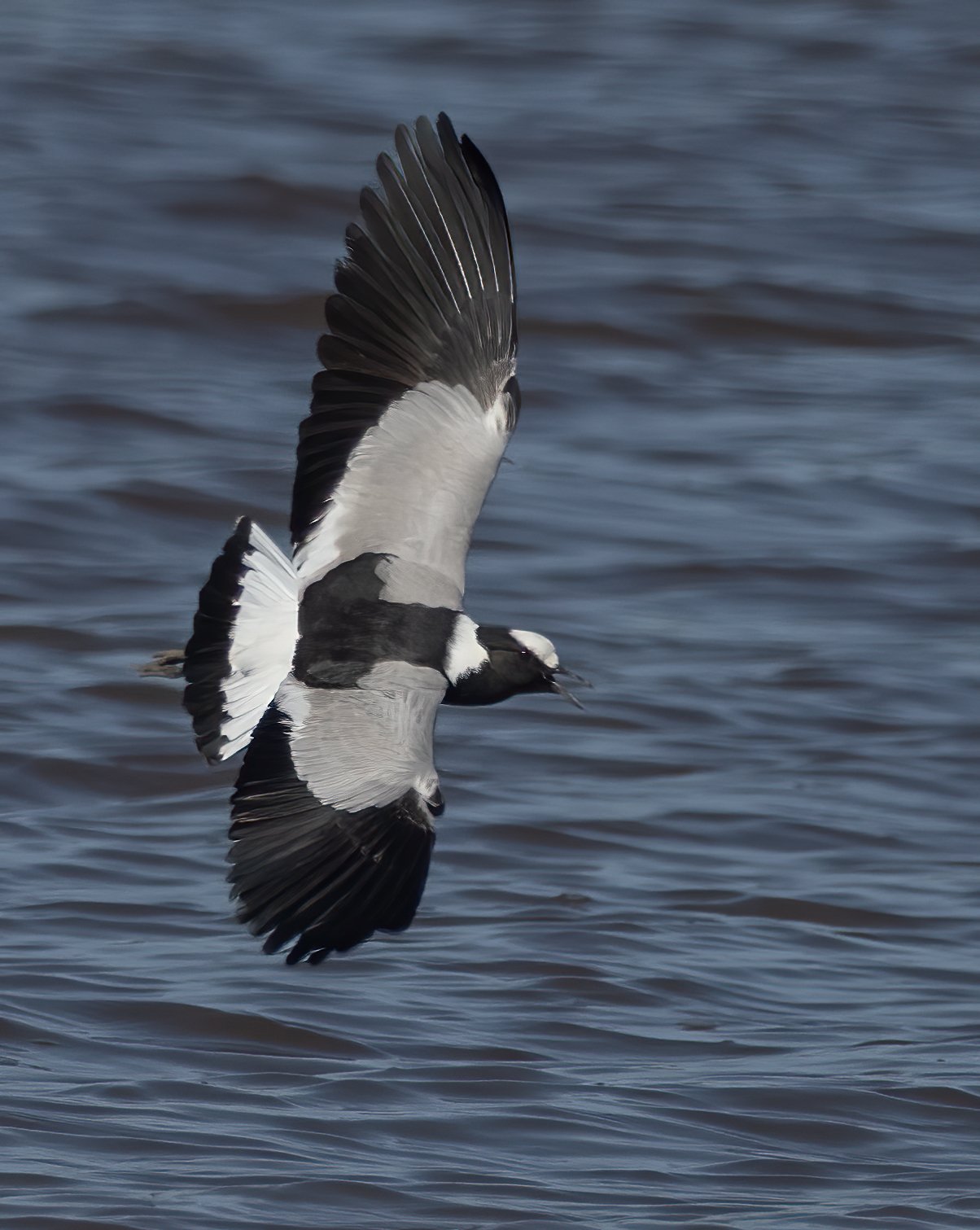
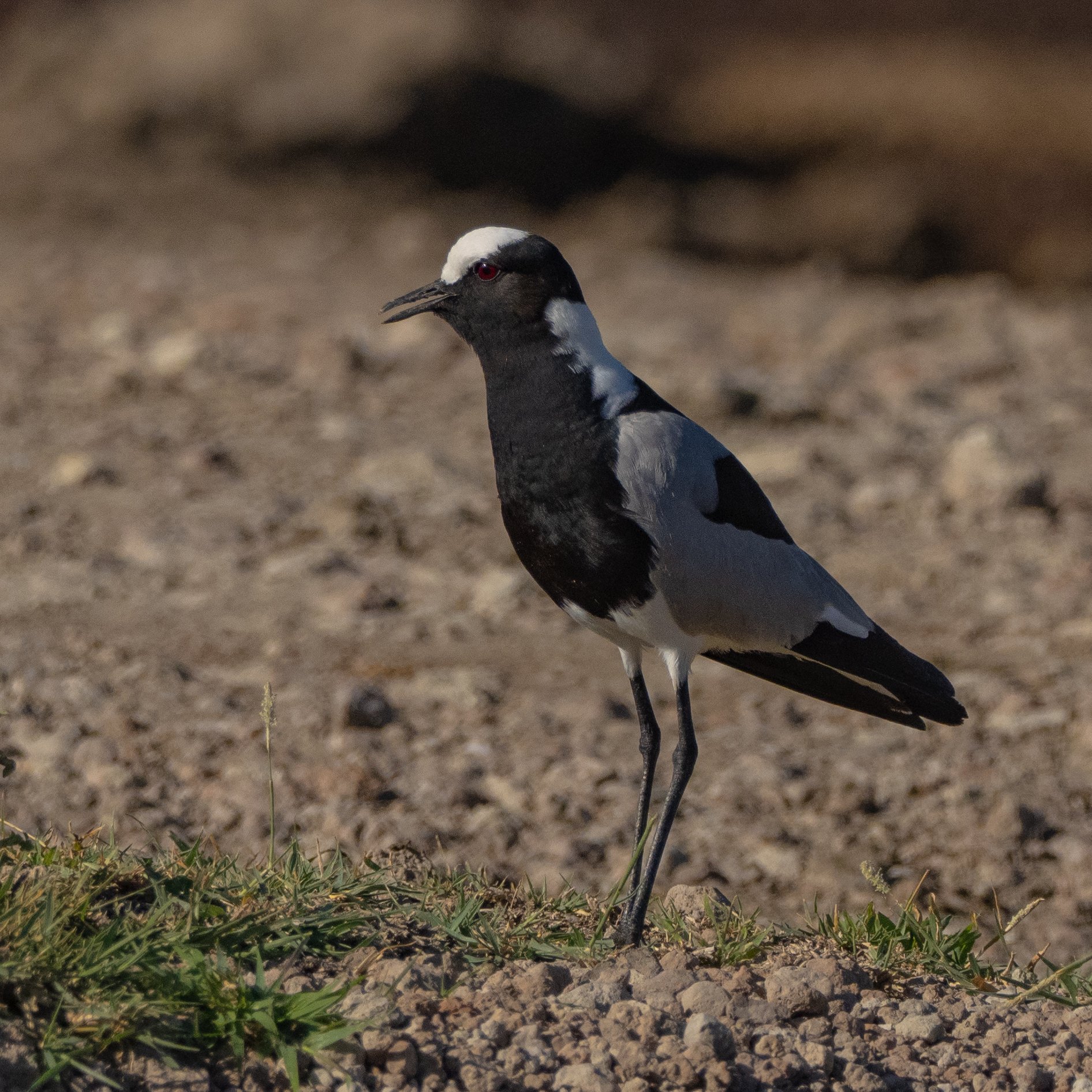
Blacksmith Plover

Blacksmith Plover

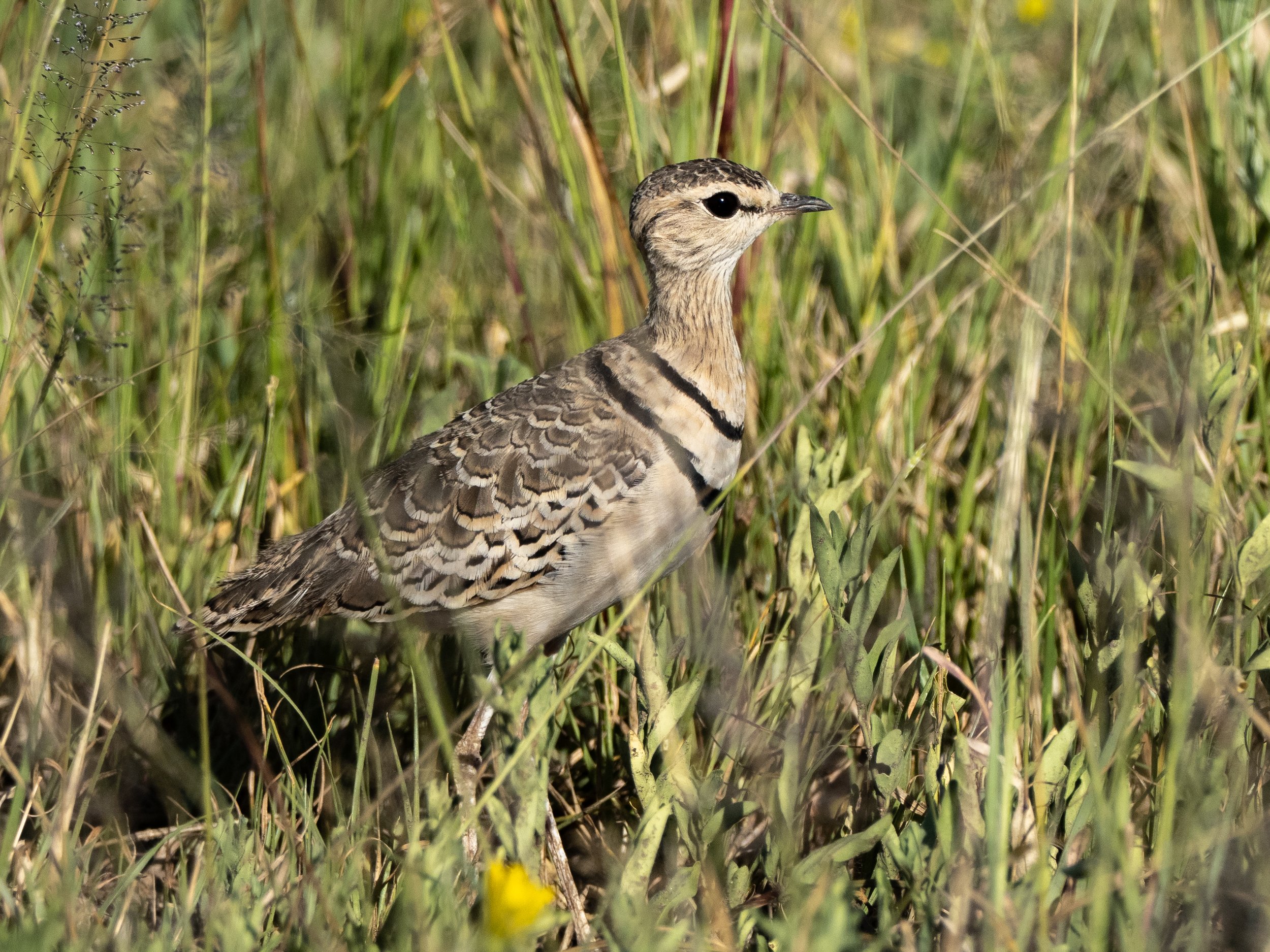
Double-banded Courser

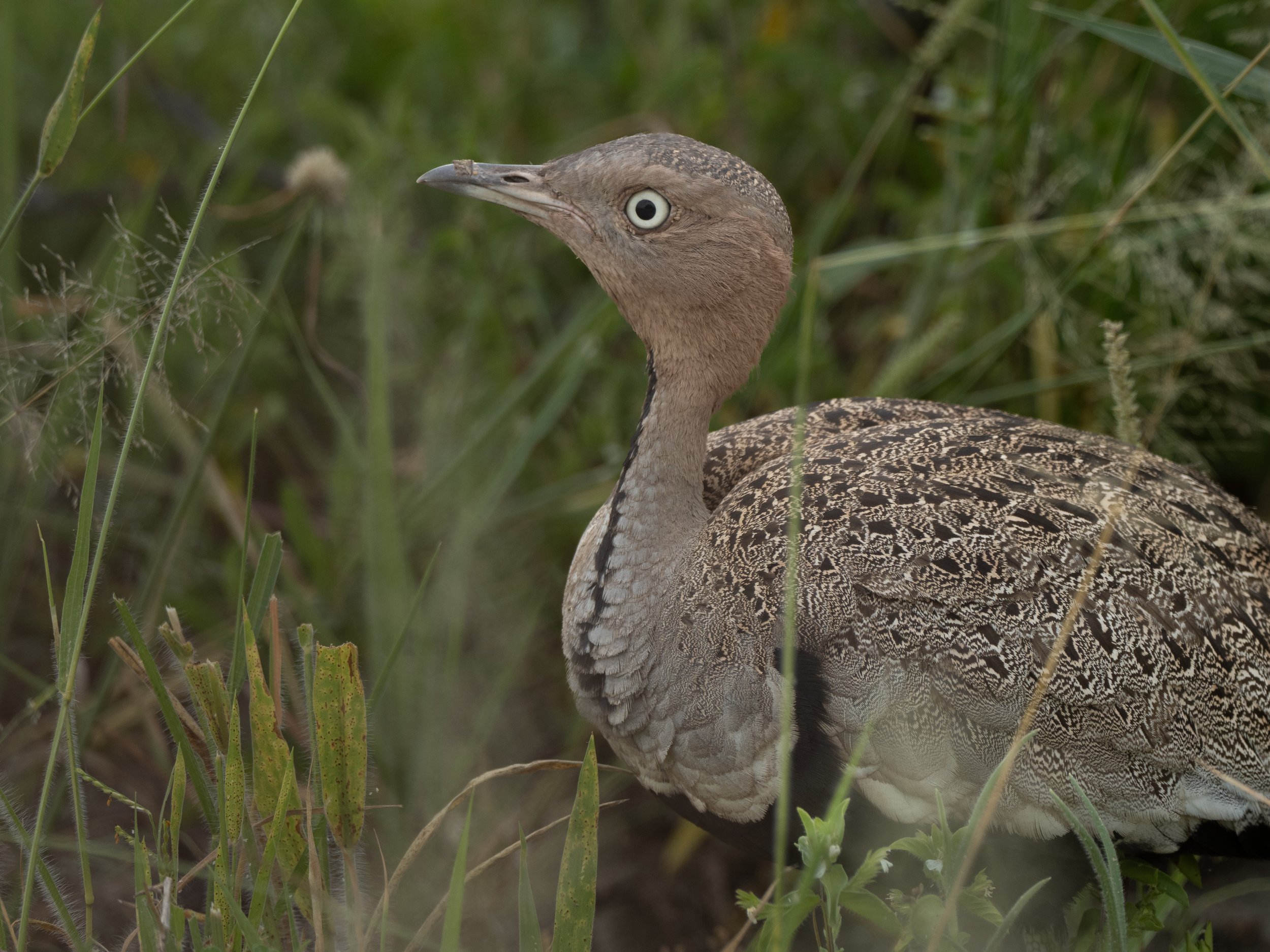
Crested Bustard

Egyptian Goose

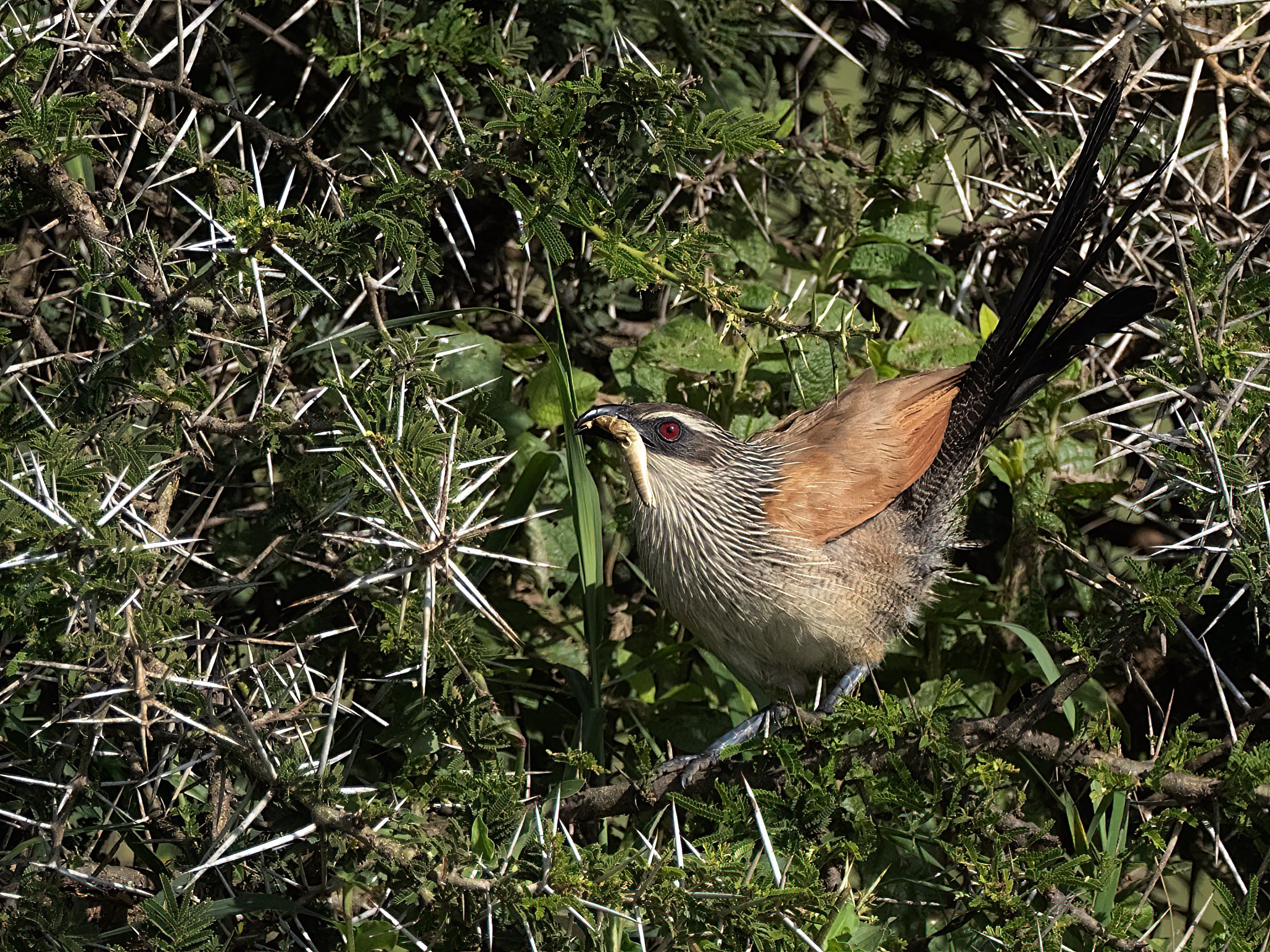
White Browed Coucal


David Sparks

I retired in 2005 after 40 years of research and teaching at the University of Alabama in Birmingham (24 years), the University of Pennsylvania (8 years) and the Baylor College of Medicine (8 years). Photography is my retirement hobby.

Nature photography, especially bird photography, combines a number of things that I really enjoy: bird-watching, being outdoors, photography, travel, messing about with computers, and learning new skills and concepts.  I now spend much of my time engaged in these activities.

David Sibley in the preface to The Sibley Guide to Birds wrote "Birds are beautiful, in spectacular as well as subtle ways; their colors, shapes, actions, and sounds are among the most aesthetically pleasing in nature."  My goal is to acquire images that capture the beauty and uniqueness of selected species as well as images that highlight the engaging behaviors the birds exhibit. 

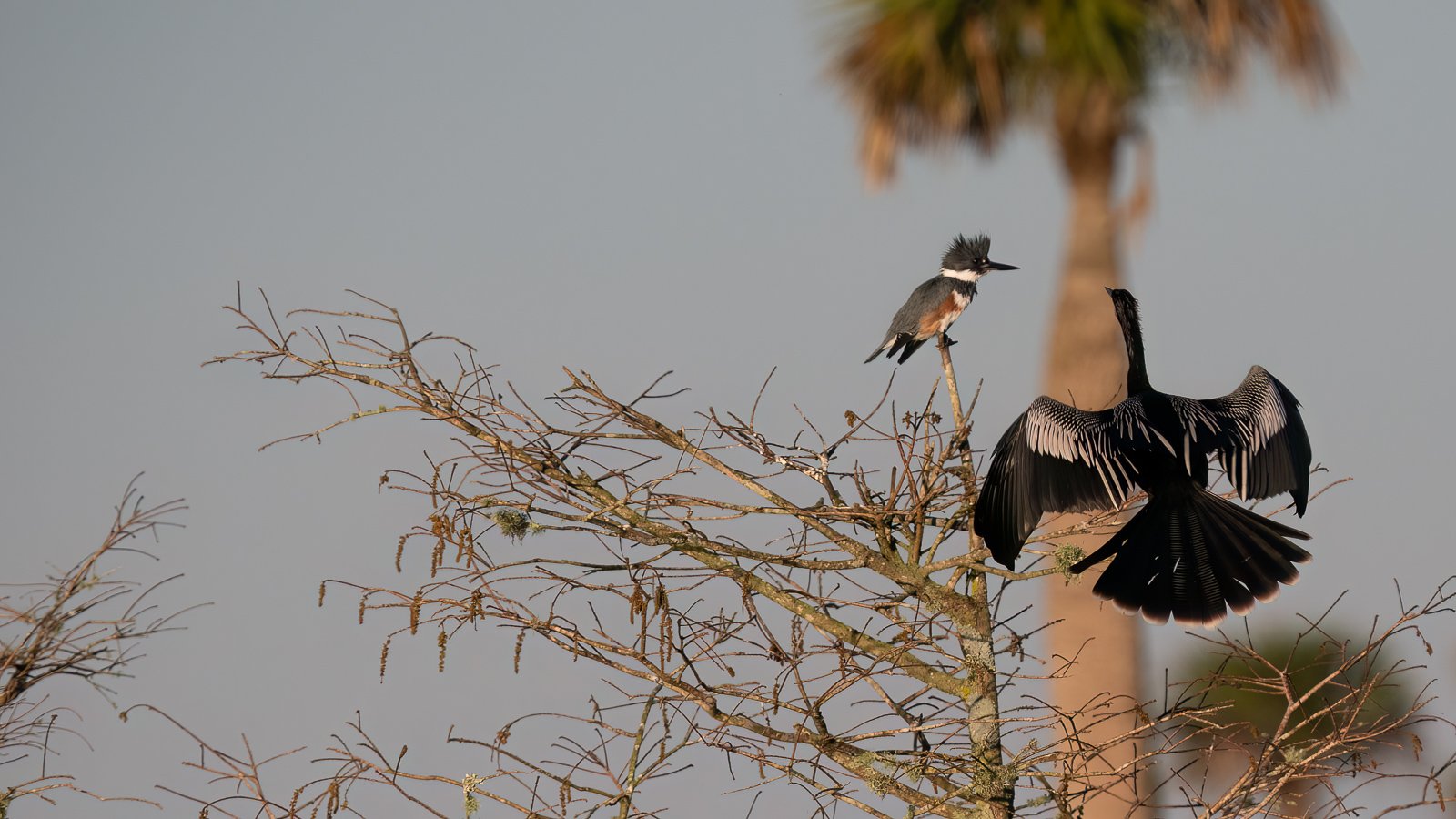
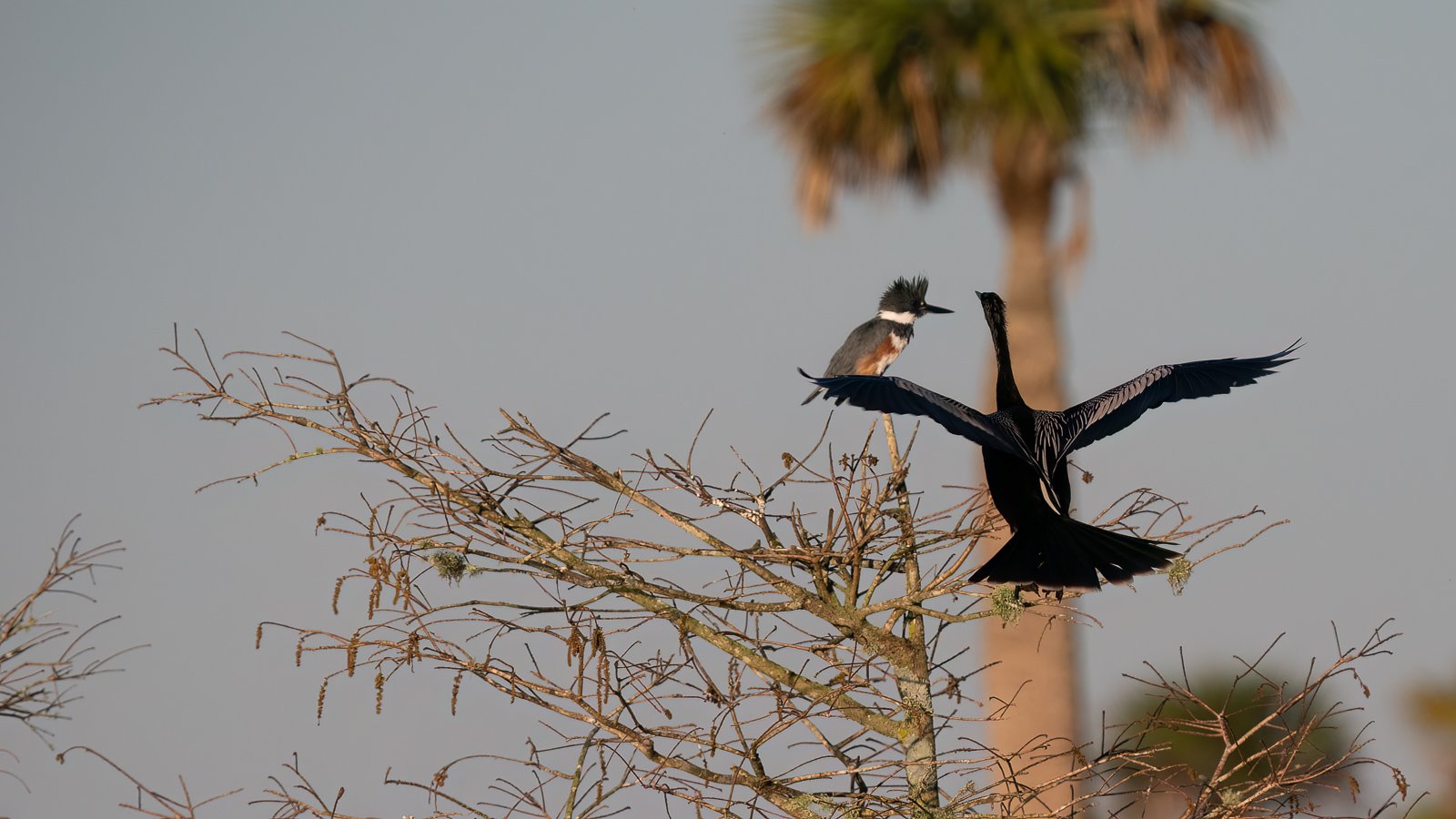
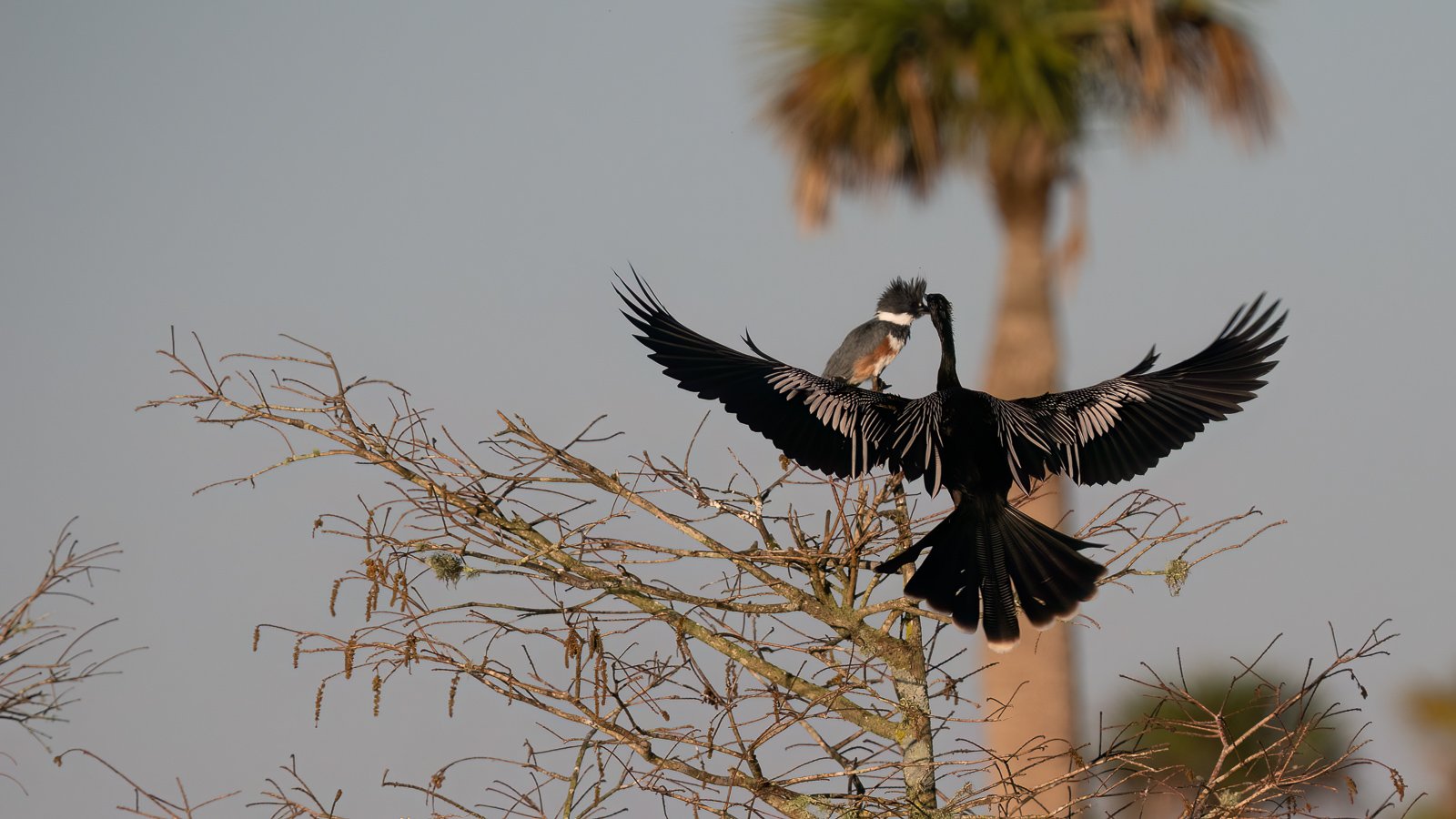
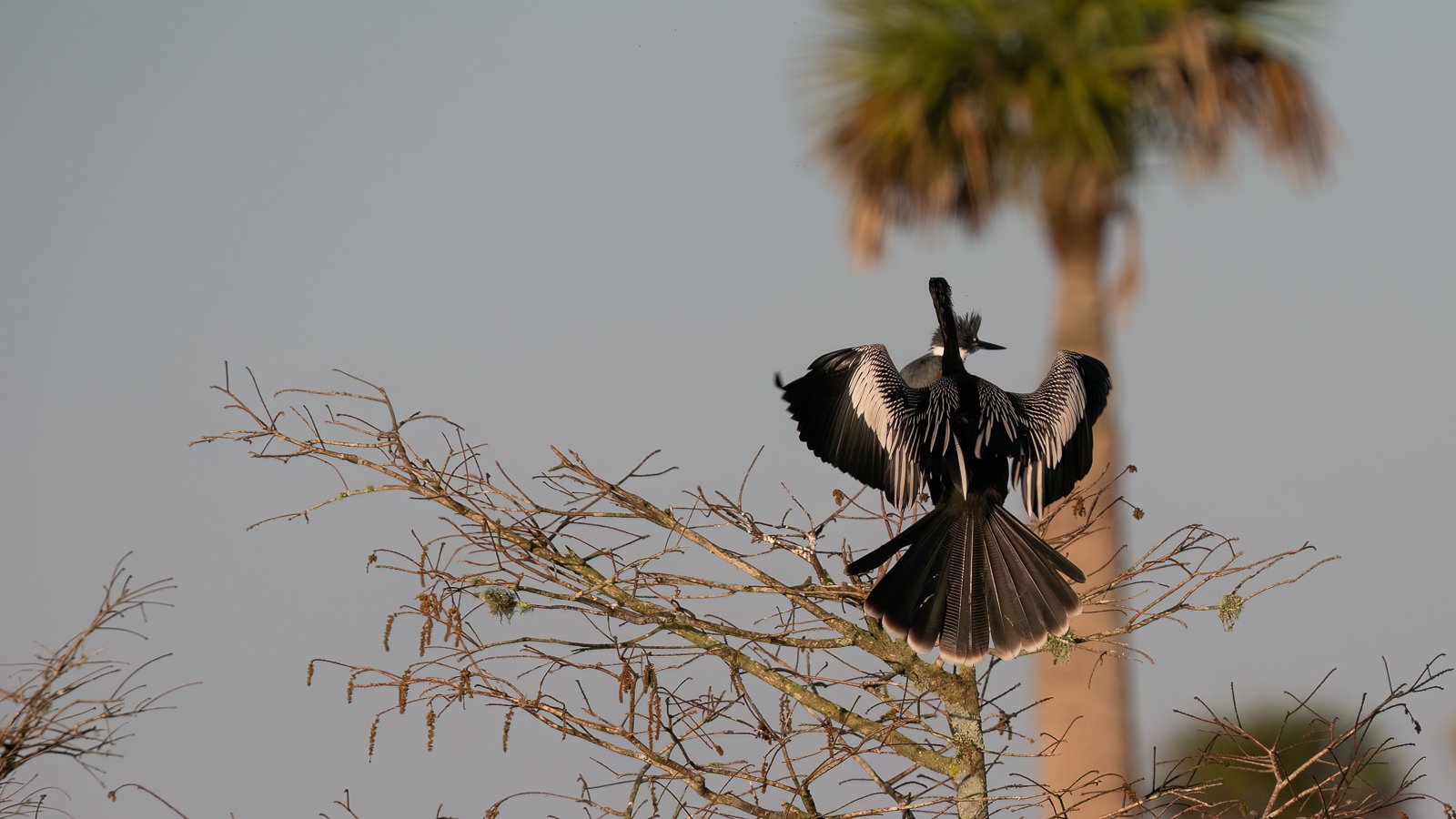
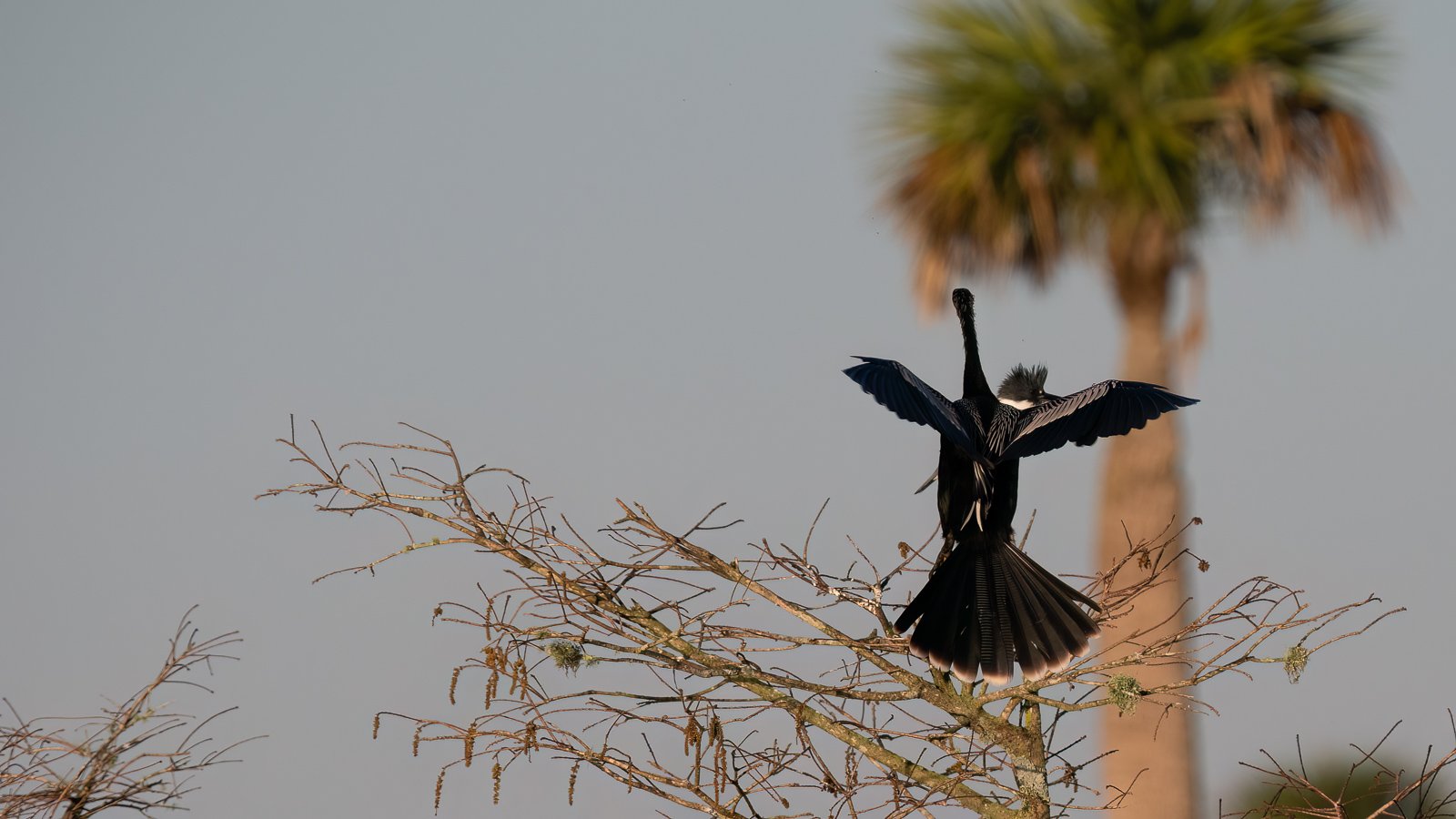
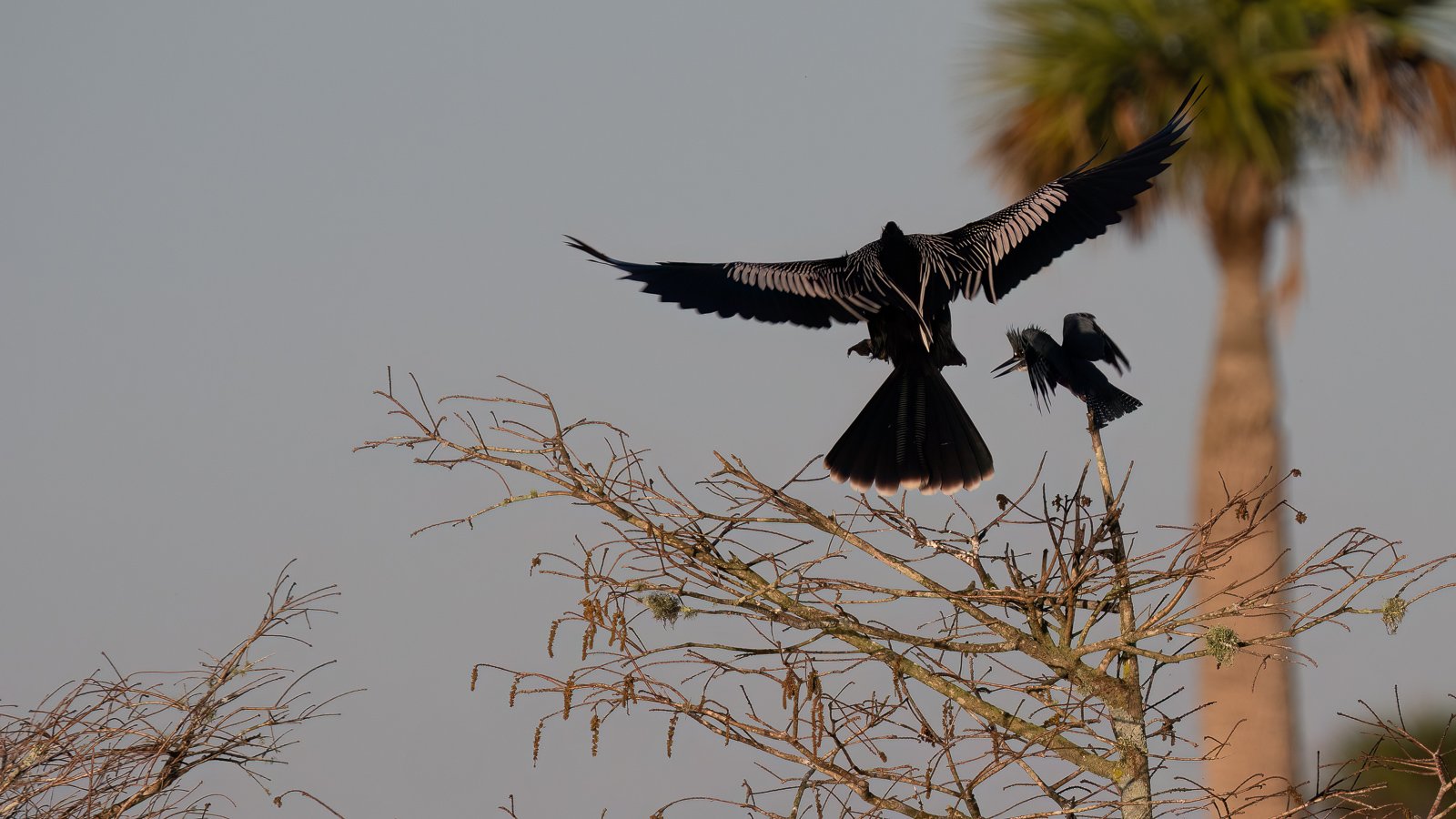
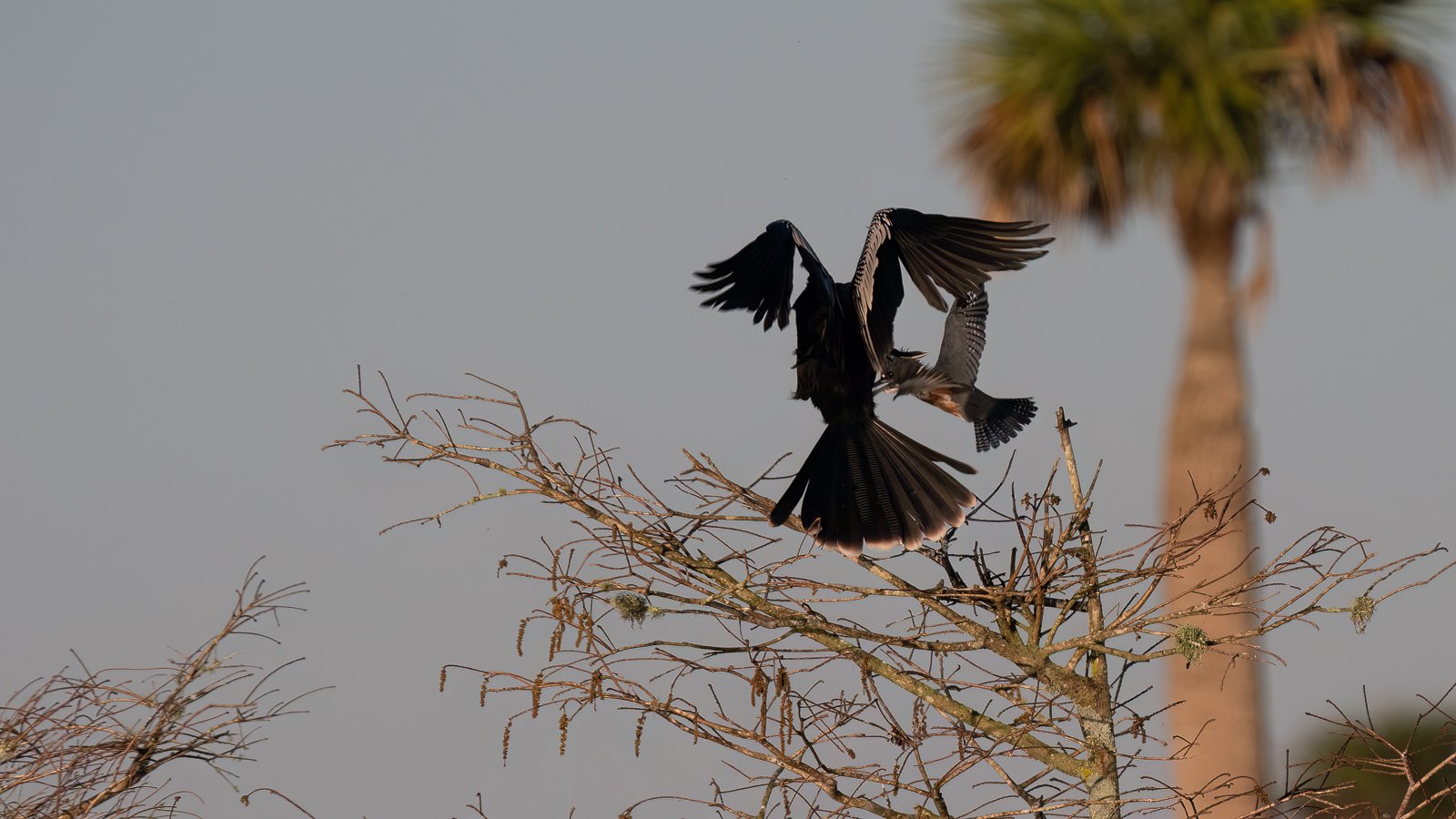
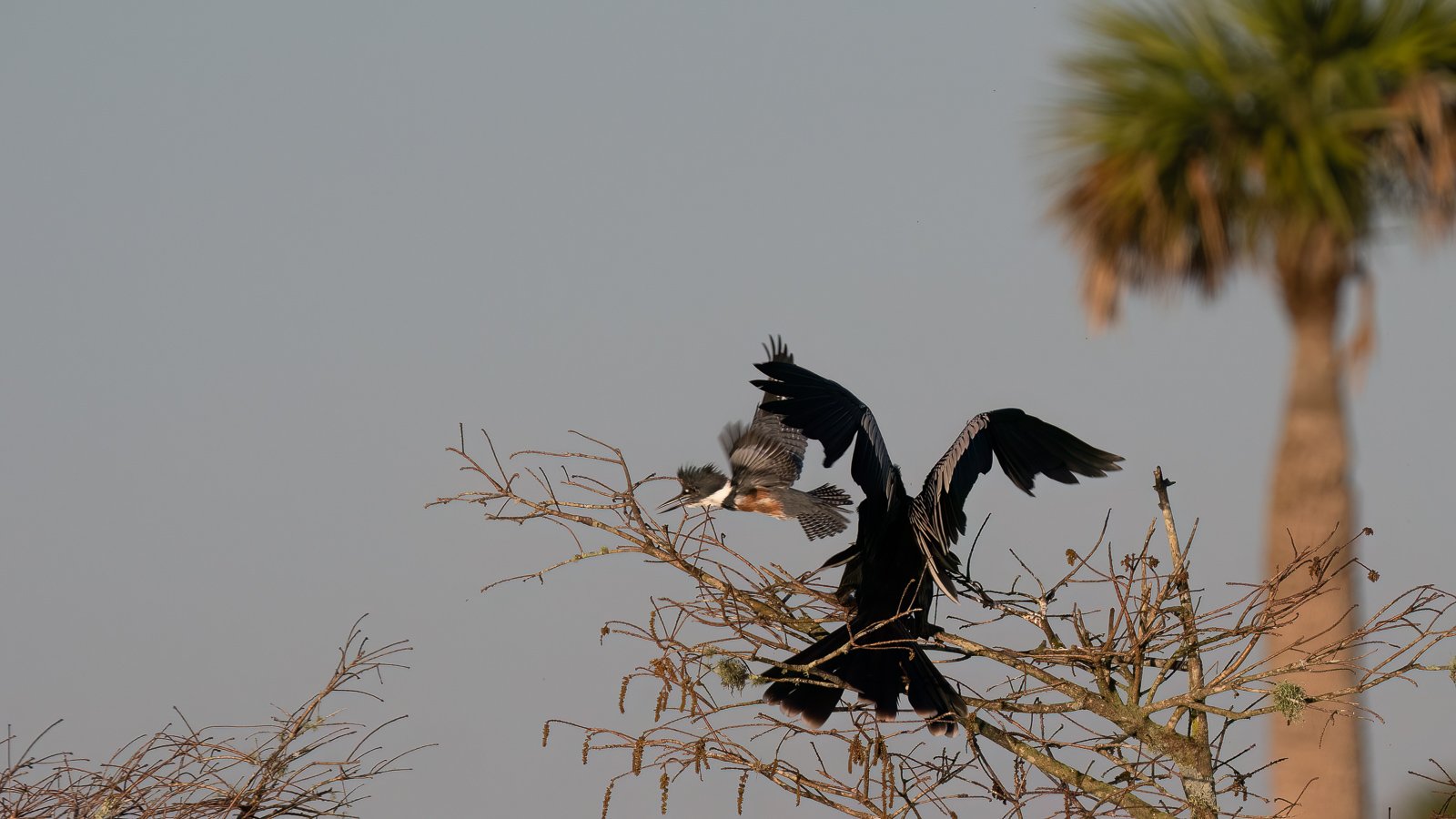
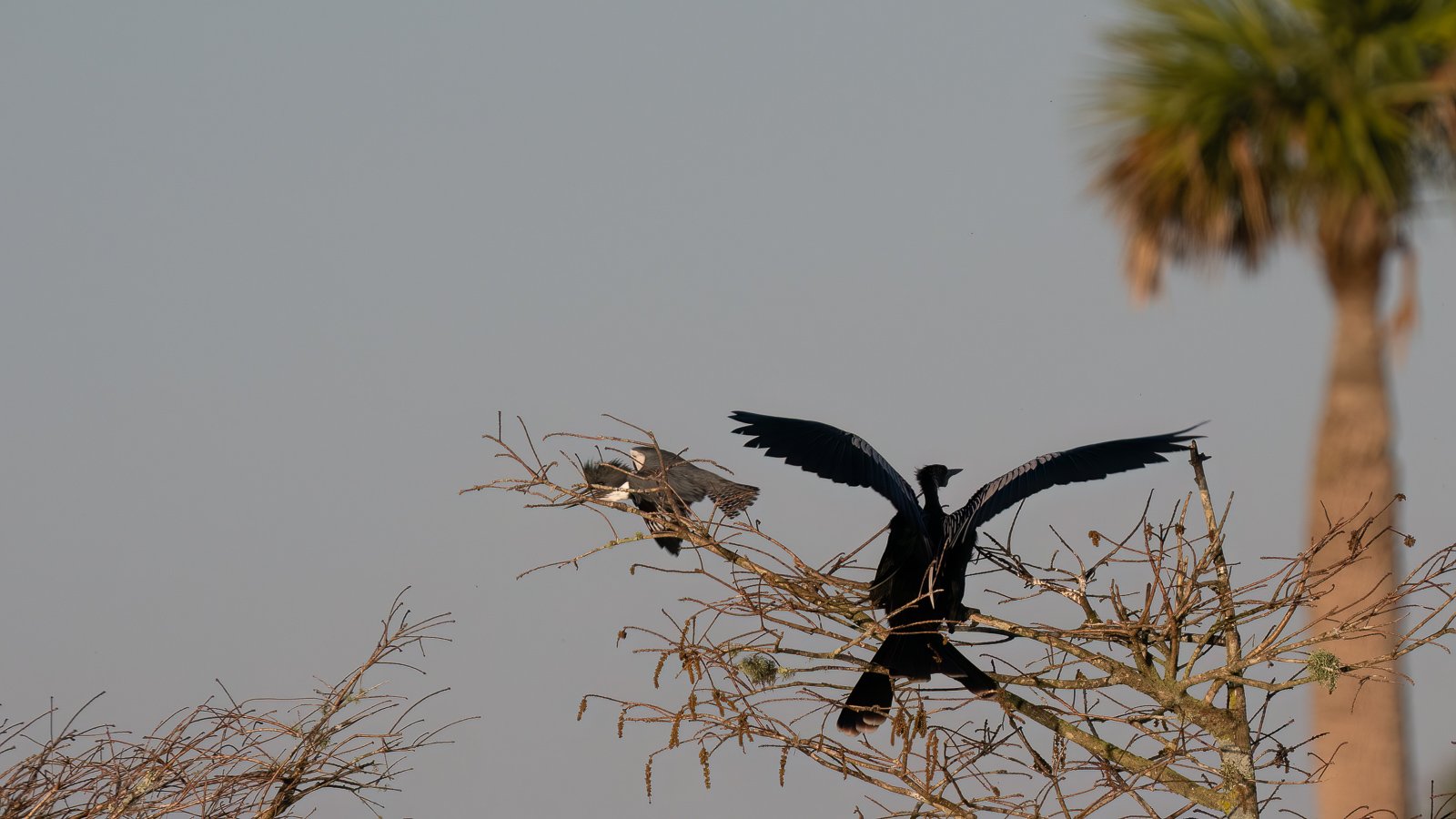
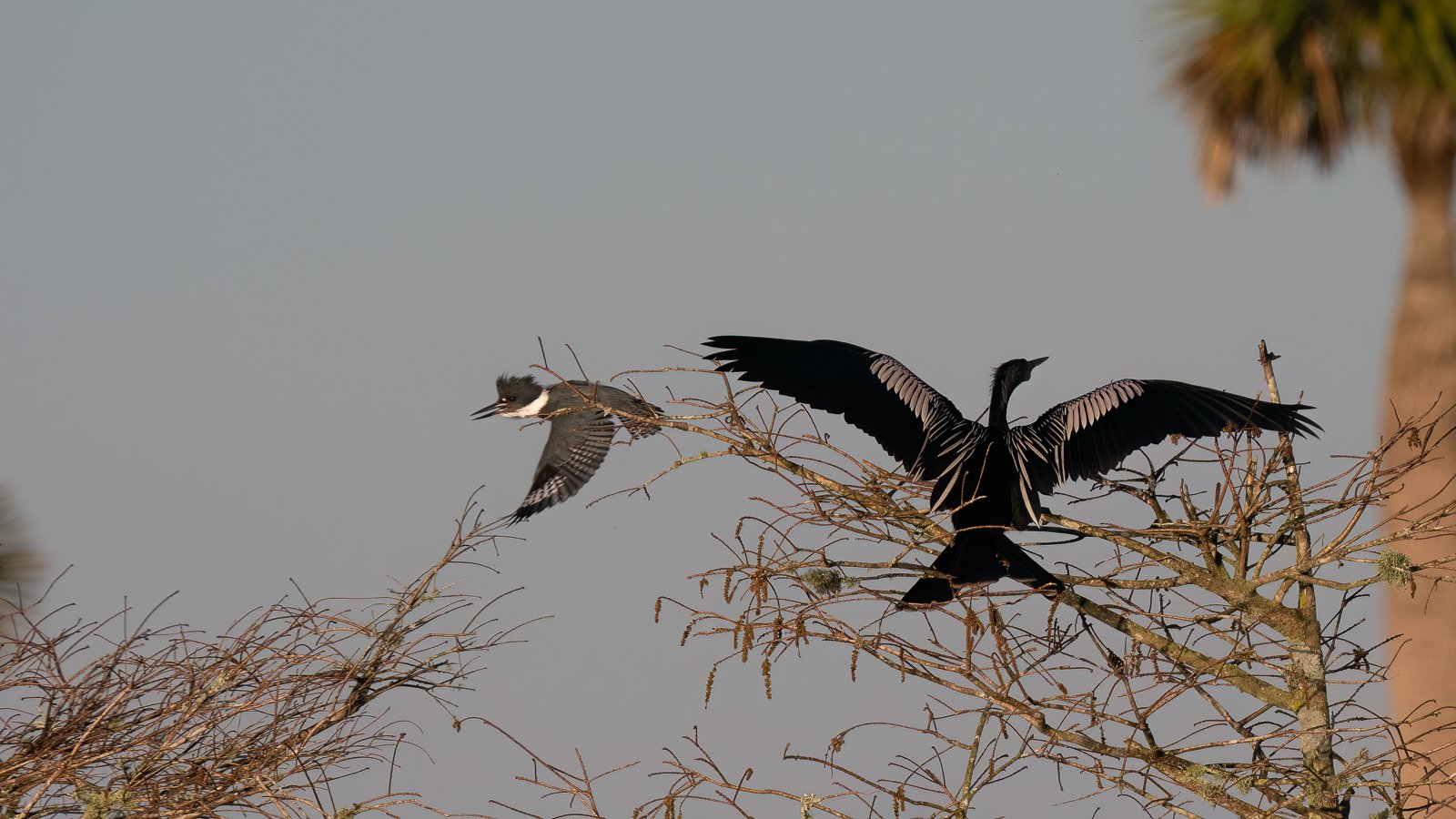
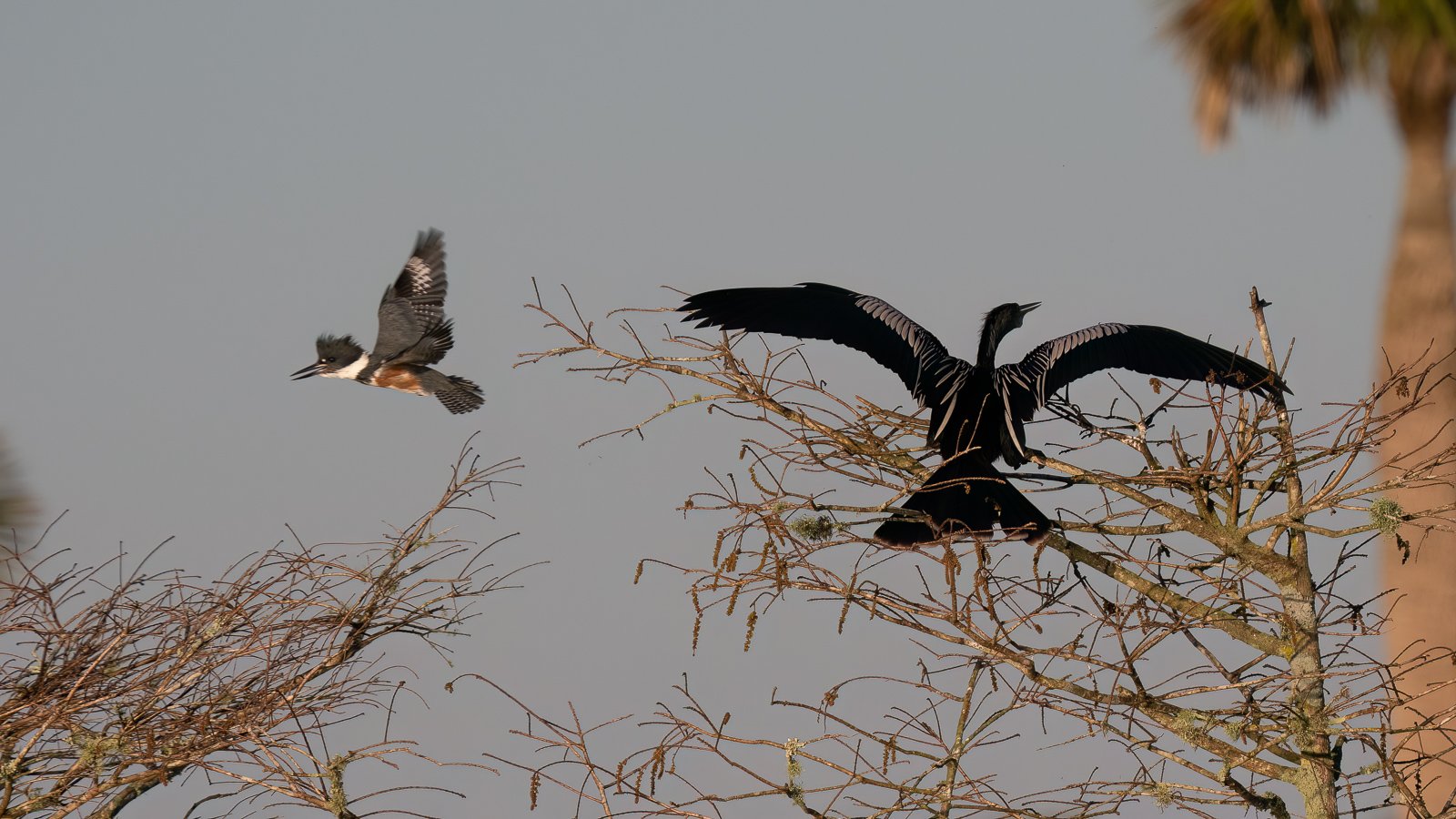
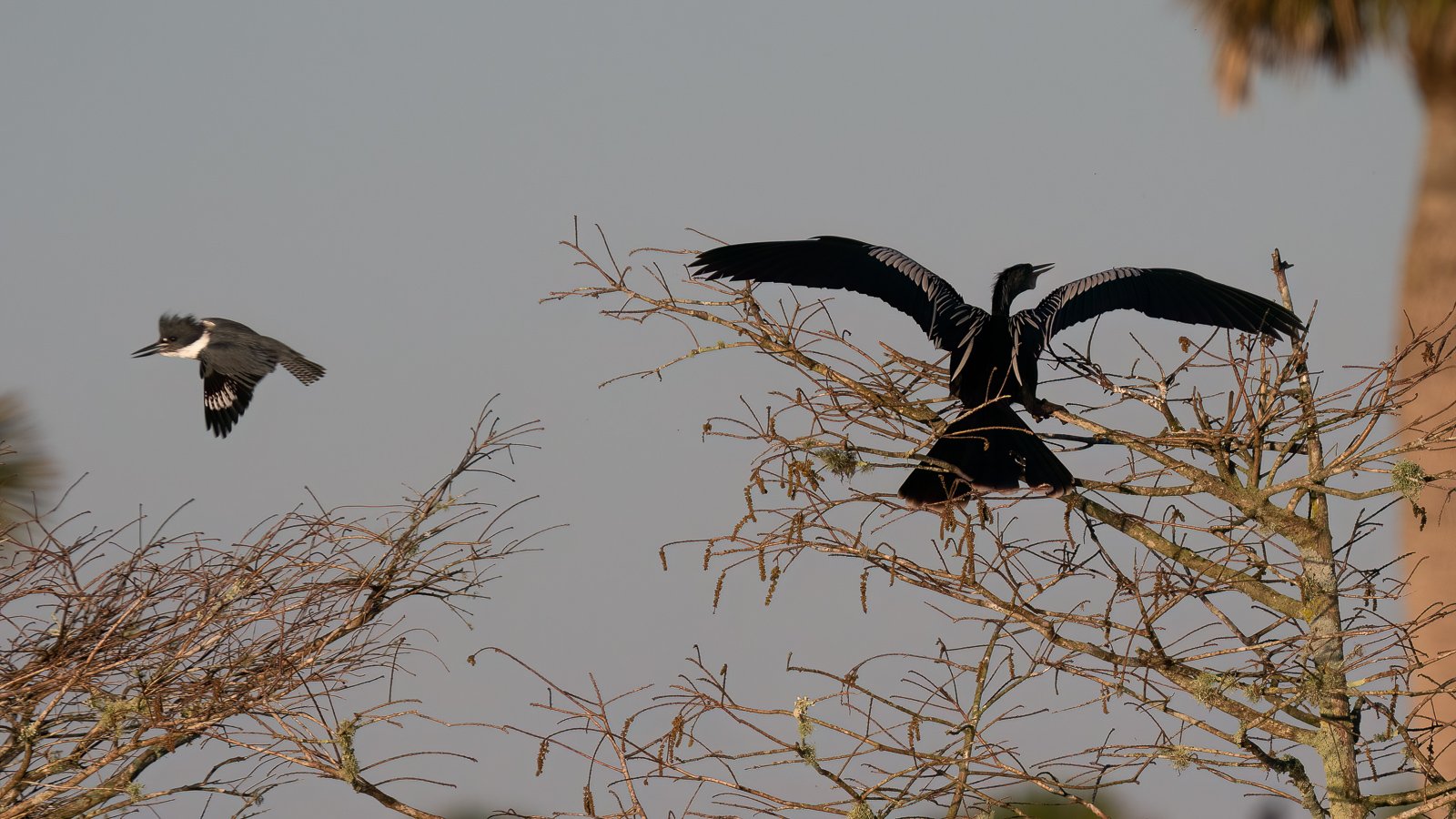
An Anhinga covets and captures the perch of a Belted Kingfisher

Photos taken January 9, 2023 at the Orlando Wetlands near Christmas, FL
(With respect to the use of the word “covets”, alliteration defeated anti-anthropomorphism).


David Sparks

I retired in 2005 after 40 years of research and teaching at the University of Alabama in Birmingham (24 years), the University of Pennsylvania (8 years) and the Baylor College of Medicine (8 years). Photography is my retirement hobby.

Nature photography, especially bird photography, combines a number of things that I really enjoy: bird-watching, being outdoors, photography, travel, messing about with computers, and learning new skills and concepts.  I now spend much of my time engaged in these activities.

David Sibley in the preface to The Sibley Guide to Birds wrote "Birds are beautiful, in spectacular as well as subtle ways; their colors, shapes, actions, and sounds are among the most aesthetically pleasing in nature."  My goal is to acquire images that capture the beauty and uniqueness of selected species as well as images that highlight the engaging behaviors the birds exhibit. 

A foggy morning at the Black Point Wildlife Drive at Merritt Island NWR

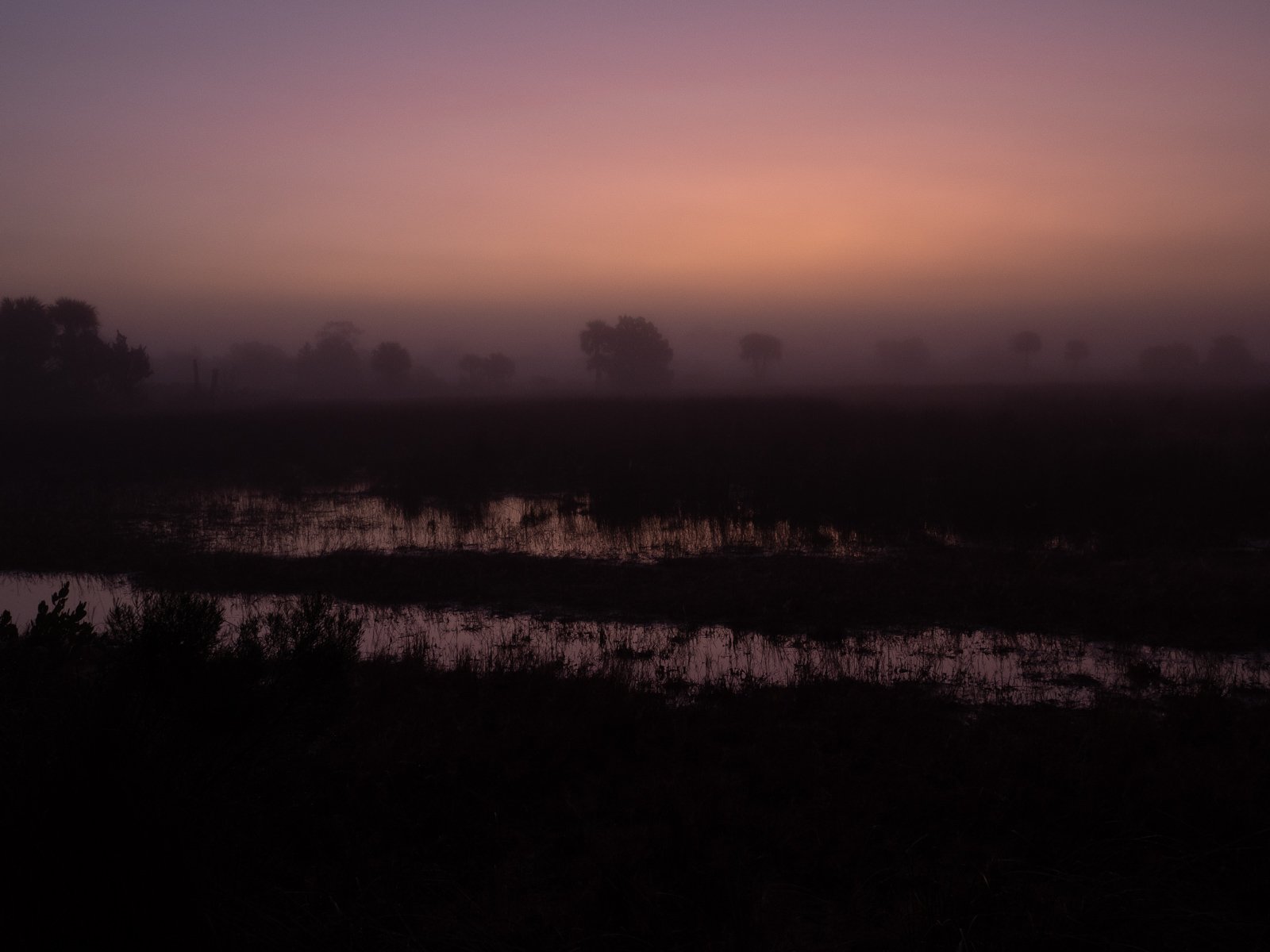
The Black Point Wildlife Drive is a seven mile long, one-way dirt road through part of the Merritt Island NWR near Titusville, Florida. On January 2, 2023, following the schedule I had established on previous days, I arrived at one of the pools of water adjacent to a segment of the drive about 30 minutes before sunrise. The first three photos illustrate the conditions present at Merritt that morning. The first photo was taken about 30 minutes before sunrise. The second was taken five minutes later at a different location. The third photo is of the photographers I was following at the end of my two-hour-long first loop around the Black Point drive.

Photo illustrating the light conditions at one part of the Wildlife drive about 30 min before sunrise.


Photo illustrating the light conditions at a different part of the Wildlife drive about 5 minutes later.


The fog was still present when I finished my first loop around the trail two hours after beginning the drive.


As illustrated here, the initial photos I took of the birds feeding at the pool of water where I had stopped were nondescript. Taken in the fog when the light levels were low, they were lacking in detail and color. Nonetheless, I found it interesting that, because of the stillness of the water and the distribution of the available light in the fog, the reflection of the bird in the water had almost as much detail as that seen in the bird itself.


Sometimes the photos from that morning contained the images of two or more birds and their reflections. I liked the effect of some of these shots enough that, subsequently, I have spent some of my time experimenting with ways to photographically exploit the detail that is present in the reflections when light levels are greater. I will post results of this experimentation later.


The fog conditions varied as time and location changed. Some images generated (for me) a mystical feeling. This photo and the next one are examples of those that did so.


Reddish Egret and Roseate Spoonbills feeding on a foggy morning at the Merritt Island NWR.


The last five images are of a Great Egret. The bird appeared to emerge from the screen when I first saw them. The white feathers of the bird seemed to collect almost all of the available light and the relative absence of light in the surrounding water creates an illusory vignette.


I am intrigued by the photographic effects of fog. I was inspired to read more about it on the web and found an informative article on The Canadian Nature Photographer web page. Take a look.


David Sparks

I retired in 2005 after 40 years of research and teaching at the University of Alabama in Birmingham (24 years), the University of Pennsylvania (8 years) and the Baylor College of Medicine (8 years). Photography is my retirement hobby.

Nature photography, especially bird photography, combines a number of things that I really enjoy: bird-watching, being outdoors, photography, travel, messing about with computers, and learning new skills and concepts.  I now spend much of my time engaged in these activities.

David Sibley in the preface to The Sibley Guide to Birds wrote "Birds are beautiful, in spectacular as well as subtle ways; their colors, shapes, actions, and sounds are among the most aesthetically pleasing in nature."  My goal is to acquire images that capture the beauty and uniqueness of selected species as well as images that highlight the engaging behaviors the birds exhibit. 

Merritt Island NWR (Titusville, FL) December 9, 2022

I arrived at the entrance to the Black Point Wildlife Drive about 30 minutes before sunrise. On visits earlier in the week, I had noted that Roseate Spoonbills and other wading birds sometimes spend the night at the pool of water near the entrance. When I arrived on this morning, not as many birds were there as I had observed previously, and many of the ones present flew to other locations during the pre-sunrise low light levels.

High ISO, low shutter speed image of some of the birds at the pool near the entrance to the wildlife drive.


As the sun reached the top of the trees behind the pool of water, the reflection of the trees was brighter than the image and reflection of the out of focus Reddish Egret.


When the sun was a little higher, the light on the Roseate Spoonbills produced dramatic images . . .


and it was easier to get good focus on the darker, now actively feeding, Reddish Egret.


Another example.


This Merritt Island trio was the visual equivalent of music to my ears.


Now approximately 20 minutes after sunrise, as illustrated in this and the following four photos, most of the birds begin to leave the pool near the entrance to the wildlife drive.


This Wilson’s Snipe, and a yellowlegs continued to feed on the distant perimeter of the pool after the larger wading birds departed.


An uncropped image of two Wilson’s Snipe and their refections captured with the OM-1 camera and the 150-400 mm lens with the built-in 1.25 teleconverter engaged. I was unaware of the out of focus bird in fight when taking the shot.


David Sparks

I retired in 2005 after 40 years of research and teaching at the University of Alabama in Birmingham (24 years), the University of Pennsylvania (8 years) and the Baylor College of Medicine (8 years). Photography is my retirement hobby.

Nature photography, especially bird photography, combines a number of things that I really enjoy: bird-watching, being outdoors, photography, travel, messing about with computers, and learning new skills and concepts.  I now spend much of my time engaged in these activities.

David Sibley in the preface to The Sibley Guide to Birds wrote "Birds are beautiful, in spectacular as well as subtle ways; their colors, shapes, actions, and sounds are among the most aesthetically pleasing in nature."  My goal is to acquire images that capture the beauty and uniqueness of selected species as well as images that highlight the engaging behaviors the birds exhibit. 

The History of Neuroscience in Autobiography

The chapters of Volume 12 of The History of Neuroscience in Autobiography published by the Society for Neuroscience and edited by Tom Albright and Larry R. Squire are freely accessible on the SfN website: https://www.sfn.org/about/history-of-neuroscience/autobiographical-chapters


It was an honor to be invited to contribute a chapter to this volume. The autobiographies of the authors of scientific papers I read as a graduate student, ones that influenced the direction of my scientific career, are found in early volumes of this collection. A pdf of my chapter in Volume 12 can be downloaded by using this link: https://tinyurl.com/4rhr5mu2

Writing the chapter was one of the projects that occupied my time while living alone in my “cave” during the early days of the COVID-19 pandemic. Jennifer Groh and Shari Hatch provided helpful comments on an early version of the chapter.

David Sparks

I retired in 2005 after 40 years of research and teaching at the University of Alabama in Birmingham (24 years), the University of Pennsylvania (8 years) and the Baylor College of Medicine (8 years). Photography is my retirement hobby.

Nature photography, especially bird photography, combines a number of things that I really enjoy: bird-watching, being outdoors, photography, travel, messing about with computers, and learning new skills and concepts.  I now spend much of my time engaged in these activities.

David Sibley in the preface to The Sibley Guide to Birds wrote "Birds are beautiful, in spectacular as well as subtle ways; their colors, shapes, actions, and sounds are among the most aesthetically pleasing in nature."  My goal is to acquire images that capture the beauty and uniqueness of selected species as well as images that highlight the engaging behaviors the birds exhibit. 

Fall colors in Colorado - part 2

Six additional photos taken last week in the Crested Butte region of Colorado.
Click on the image to see a slightly larger version.


David Sparks

I retired in 2005 after 40 years of research and teaching at the University of Alabama in Birmingham (24 years), the University of Pennsylvania (8 years) and the Baylor College of Medicine (8 years). Photography is my retirement hobby.

Nature photography, especially bird photography, combines a number of things that I really enjoy: bird-watching, being outdoors, photography, travel, messing about with computers, and learning new skills and concepts.  I now spend much of my time engaged in these activities.

David Sibley in the preface to The Sibley Guide to Birds wrote "Birds are beautiful, in spectacular as well as subtle ways; their colors, shapes, actions, and sounds are among the most aesthetically pleasing in nature."  My goal is to acquire images that capture the beauty and uniqueness of selected species as well as images that highlight the engaging behaviors the birds exhibit. 

Fall colors in Colorado

I just returned from a photography trip to the Gunnison/Crested Butte region of Colorado. I am still sorting and culling the images. Three photos that captured my attention while doing so are shown below.

The first two photos depict the reflection of a nearby mountain range in the Slate River. The photos were taken near highway 734 to the north and west of Crested Butte.


The Aspen leaves floating in the water partially obscure the reflections of the trunks of four Aspen trees (focus your attention on the gray areas).

David Sparks

I retired in 2005 after 40 years of research and teaching at the University of Alabama in Birmingham (24 years), the University of Pennsylvania (8 years) and the Baylor College of Medicine (8 years). Photography is my retirement hobby.

Nature photography, especially bird photography, combines a number of things that I really enjoy: bird-watching, being outdoors, photography, travel, messing about with computers, and learning new skills and concepts.  I now spend much of my time engaged in these activities.

David Sibley in the preface to The Sibley Guide to Birds wrote "Birds are beautiful, in spectacular as well as subtle ways; their colors, shapes, actions, and sounds are among the most aesthetically pleasing in nature."  My goal is to acquire images that capture the beauty and uniqueness of selected species as well as images that highlight the engaging behaviors the birds exhibit. 

Pawnee National Grassland

I decided to visit the Pawnee National Grassland on Wednesday It is about a 90 minute drive from my condo. It was not my most productive photography outing, but I enjoyed being there and seeing, from a greater distance than I desired, flocks of sparrows and other grassland birds. I saw a fair number of birds, but not so many in my viewfinder. How can I rationalize the failure to capture a greater number of interesting photos? I could blame it on the increase in traffic in the grasslands, but I would need to suppress the memory of what I actually experienced (see photo below).

Or … I could argue that the birds would not let me get close because of the decrease in useable habitat attributable to the marked increase of recent development in the area. But I would need to convince you that the developments in the area were recent.


And I would need to convince myself that the failure to capture some interesting images was not due to slow reflexes.


Perhaps I was expecting too much. It was windy and the birds were staying low in the grass most of the day.


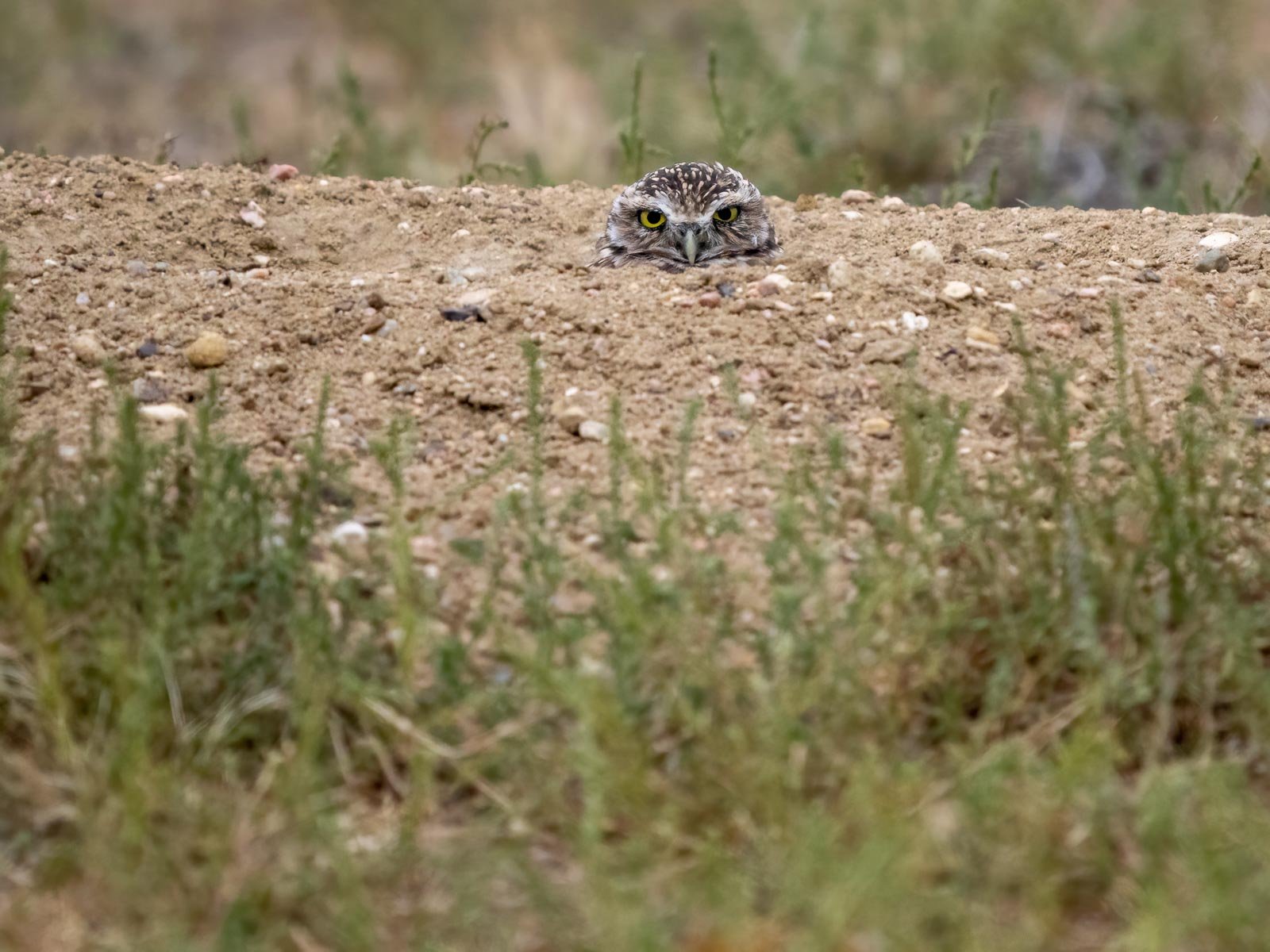
The burrowing owls were not very active. One only peeked at me a few times.

Another one exposed most of its body but did not engage in any interesting behaviors.

I saw numerous McCown’s Longspurs hovering, but at a distance. This image is heavily cropped and over sharpened.

Decent exposure and sharpness on shots of a Brewer’s Sparrow taking flight, but ….

only the back of the head is visible.

This photo of a Rock Wren is o.k., but I wish it was perched on a rock.


This post is not a lament. Consider it a verification of the “Be Prepared” section of Mia McPherson’s blog post entitled So ya think ya want to be a bird photographer? LINK in which she has a section about being prepared to be frustrated. If you haven’t read this entry in her blog, you should.

I am eager to return to the Pawnee National Grassland. Capturing the hovering behavior of the McCown’s Longspurs is now on my bucket list.

David Sparks

I retired in 2005 after 40 years of research and teaching at the University of Alabama in Birmingham (24 years), the University of Pennsylvania (8 years) and the Baylor College of Medicine (8 years). Photography is my retirement hobby.

Nature photography, especially bird photography, combines a number of things that I really enjoy: bird-watching, being outdoors, photography, travel, messing about with computers, and learning new skills and concepts.  I now spend much of my time engaged in these activities.

David Sibley in the preface to The Sibley Guide to Birds wrote "Birds are beautiful, in spectacular as well as subtle ways; their colors, shapes, actions, and sounds are among the most aesthetically pleasing in nature."  My goal is to acquire images that capture the beauty and uniqueness of selected species as well as images that highlight the engaging behaviors the birds exhibit. 

Recent photos of Roxborough State Park - Colorado

A little early for fall colors. Click on the image to see a slightly larger version.

Looking south from the Fountain Valley overlook - September 15, 2022
Olympus OM-1 with 12-100mm f/4 @ 23mm
1/320 sec at f/9, ISO 200


Looking south from the Fountain Valley overlook - September 15, 2022
Olympus OM-1 with 12-100mm f/4 @ 31mm
1/250 sec at f/7.1, ISO 200


Looking north from the Fountain Valley overlook - September 15, 2022
Olympus OM-1 with 12-100mm f/4 @ 57mm
1/320 sec at f/6.3, ISO 200


Looking north from the Fountain Valley overlook - September 15, 2022
Olympus OM-1 with 12-100mm f/4 @ 41mm
1/400 sec at f/7.1, ISO 200


Looking north from the Fountain Valley overlook - September 19, 2022
Olympus OM-1 with 12-100mm f/4 @ 38mm
1/800 sec at f/7.1, ISO 200


Looking north from a more northern point on the trail - September 19, 2022
Olympus OM-1 with 12-100mm f/4 @ 23mm
1/640 sec at f/7.1, ISO 250

David Sparks

I retired in 2005 after 40 years of research and teaching at the University of Alabama in Birmingham (24 years), the University of Pennsylvania (8 years) and the Baylor College of Medicine (8 years). Photography is my retirement hobby.

Nature photography, especially bird photography, combines a number of things that I really enjoy: bird-watching, being outdoors, photography, travel, messing about with computers, and learning new skills and concepts.  I now spend much of my time engaged in these activities.

David Sibley in the preface to The Sibley Guide to Birds wrote "Birds are beautiful, in spectacular as well as subtle ways; their colors, shapes, actions, and sounds are among the most aesthetically pleasing in nature."  My goal is to acquire images that capture the beauty and uniqueness of selected species as well as images that highlight the engaging behaviors the birds exhibit. 

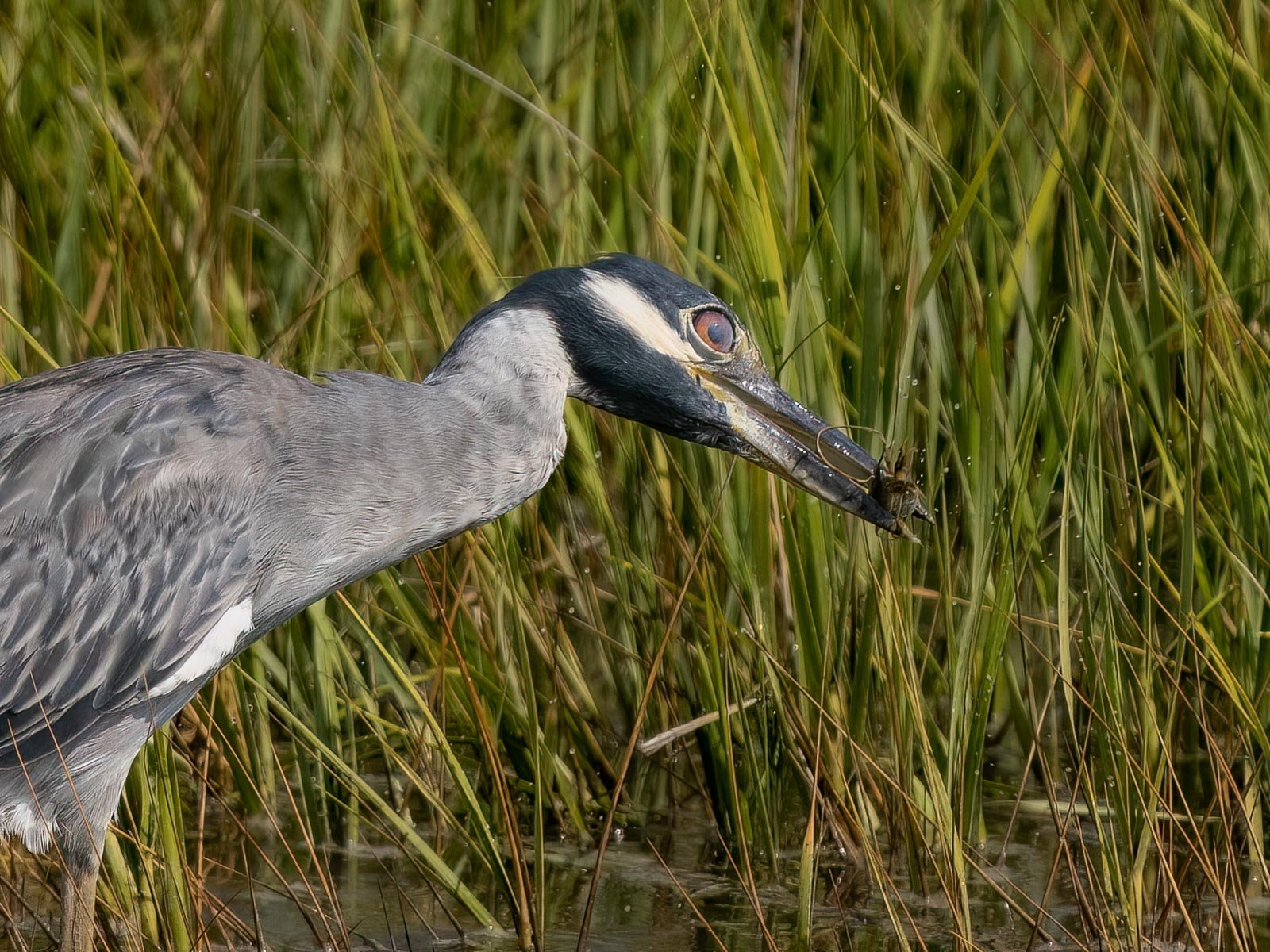
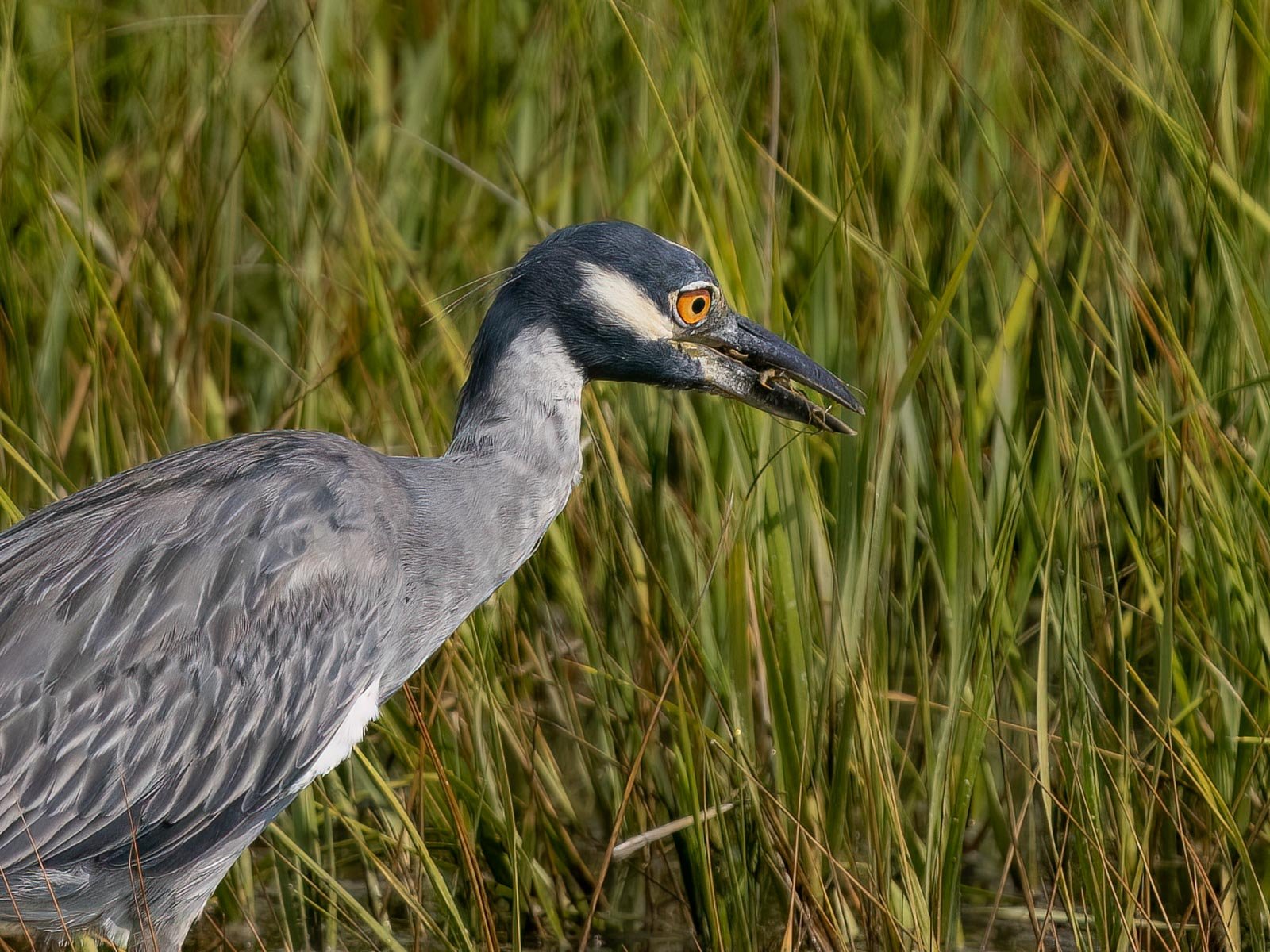
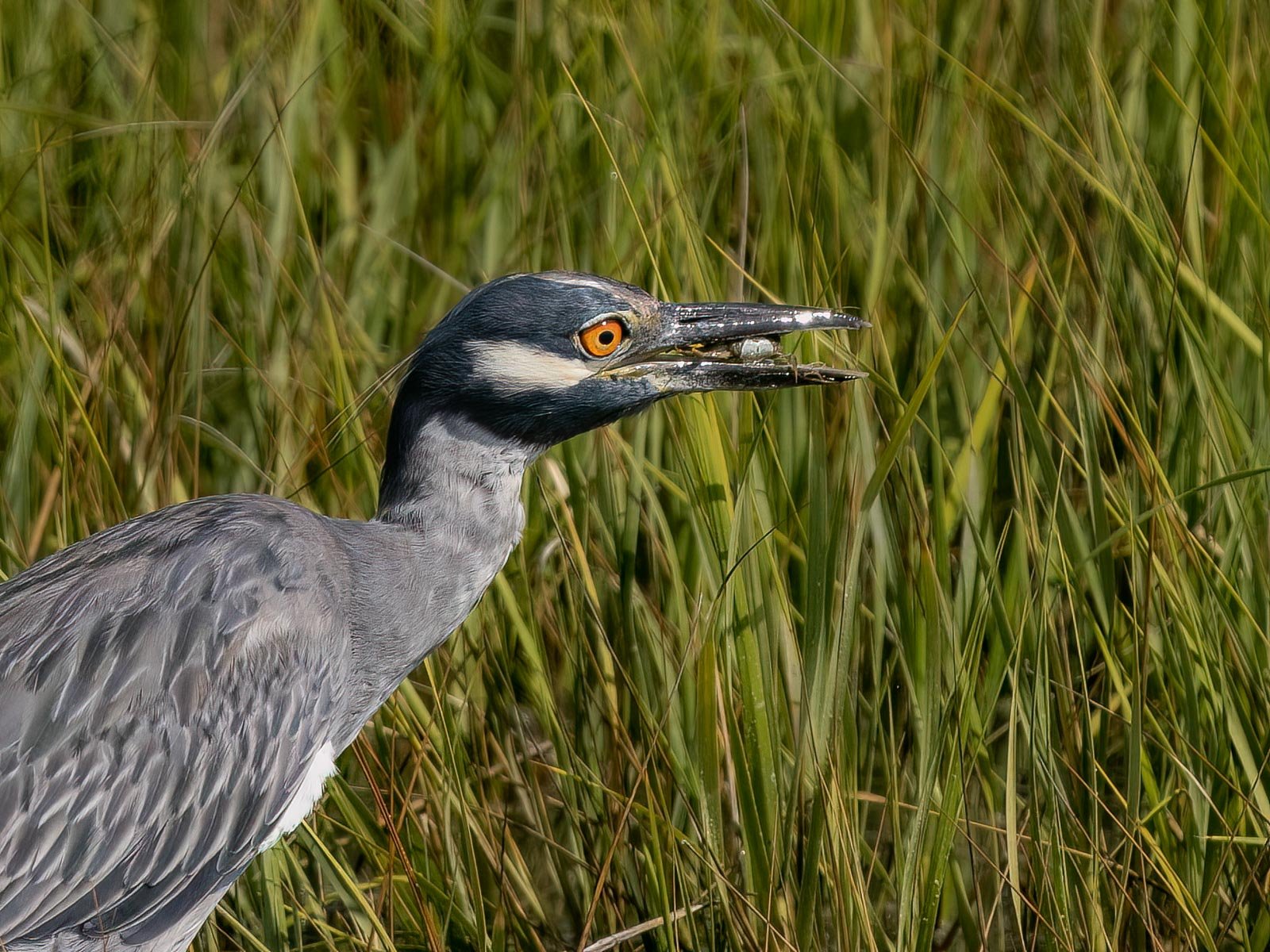
Yellow-crowned-Night-Heron capturing and consuming a crab

Nineteen of 39 shots acquired of this behavior are shown. Images have been cropped to show the head, beak, and crab in more detail.

Action observed on the Bolivar Peninsula, Texas, in August 2022.
Camera: Olympus OM-1. Lens: Olympus 150-400mm f/4.5 TC @ 150mm,
Settings: 1/2000 sec at f/4.5, ISO 250.
Click on the first image in the gallery to see a larger version, and then use the right arrow to view subsequent images at the higher resolution.


David Sparks

I retired in 2005 after 40 years of research and teaching at the University of Alabama in Birmingham (24 years), the University of Pennsylvania (8 years) and the Baylor College of Medicine (8 years). Photography is my retirement hobby.

Nature photography, especially bird photography, combines a number of things that I really enjoy: bird-watching, being outdoors, photography, travel, messing about with computers, and learning new skills and concepts.  I now spend much of my time engaged in these activities.

David Sibley in the preface to The Sibley Guide to Birds wrote "Birds are beautiful, in spectacular as well as subtle ways; their colors, shapes, actions, and sounds are among the most aesthetically pleasing in nature."  My goal is to acquire images that capture the beauty and uniqueness of selected species as well as images that highlight the engaging behaviors the birds exhibit. 

Not A Bird #1

These are landscape images I selected for printing yesterday.


Crested Butte, CO - September 2015
Nikon D610 with 24-70mm f/2.8 @ 48mm
1/60 sec at f/14, ISO 500


Crested Butte, CO - September 2018
Olympus E-M1 MII with 12-100mm f/4 @ 17mm
1/250 sec at f/8, ISO 200


Maroon Bells, CO - September 2018
Olympus E-M1 MII with 12-100mm f/4 @ 21mm
1/8 sec at f/8, ISO 200


Maroon Bells, CO - September 2018
Olympus E-M1 MII with 12-100mm f/4 @ 18mm
1/15 sec at f/8, ISO 200


Maroon Bells, CO- September 2018
Olympus E-M1 MII with 12-100mm f/4 @ 20mm
1/125 sec at f/11, ISO 200


Roxborough State Park, CO - July 2016
Nikon D7100 with 24-70mmm f/2.8 @ 28mm
1/1600 sec at f/5.6, ISO 800


Castle Geyser, Yellowstone National Park - February 2016
Nikon D7100 with 24-70mmm f/2.8 @ 36mm
1/1600 sec at f/5.6, ISO 100


Castle Geyser, Yellowstone National Park - February 2016
Nikon D7100 with 24-70mmm f/2.8 @ 42mm
1/640 sec at f/10, ISO 160


Hayden Valley, Yellowstone National Park - February 2016
Nikon D7100 with 80-400mm f/4.5-5.6 @ 140mm
1/640 sec at f/10, ISO 100


Hayden Valley, Yellowstone National Park - February 2016
Nikon D7100 with 24-70mm f/2.8 @ 70mm
1/500 sec at f/10, ISO 100


Midway Geyser Basin, Yellowstone National Park - February 2016
Nikon D7100 with 24-70mm f/2.8 @ 24mm
1/400 sec at f/10, ISO 320


Bryce Canyon National Park - September 2015
Nikon D610 with 24-70mm f/2.8 @ 62mm
1/160 sec at f/11, ISO 100


Bryce Canyon National Park - September 2015
Nikon D610 with 24-70mm f/2.8 @ 70mm
1/1000 sec at f/11, ISO 400


Highway 287, CO - May 2015
Nikon D610 with 24-70mm f/2.8 @ 50mm
1/640 sec at f/7.1, ISO 200


I-10 swampy area, FL - December 2007
Nikon D80 with 18-200 mm f/3.5-5.6 @ 170 mm
1/1000 sec at f/13, ISO 320

David Sparks

I retired in 2005 after 40 years of research and teaching at the University of Alabama in Birmingham (24 years), the University of Pennsylvania (8 years) and the Baylor College of Medicine (8 years). Photography is my retirement hobby.

Nature photography, especially bird photography, combines a number of things that I really enjoy: bird-watching, being outdoors, photography, travel, messing about with computers, and learning new skills and concepts.  I now spend much of my time engaged in these activities.

David Sibley in the preface to The Sibley Guide to Birds wrote "Birds are beautiful, in spectacular as well as subtle ways; their colors, shapes, actions, and sounds are among the most aesthetically pleasing in nature."  My goal is to acquire images that capture the beauty and uniqueness of selected species as well as images that highlight the engaging behaviors the birds exhibit. 

Long-billed Curlew capturing and consuming a mud crab

19 images selected from a total of 82 taken in six bursts of 3 to 25 shots in each burst. Selection was based on the size, position, and clarity of the mud crab being consumed. Olympus OM-1 with 150-400mm F4.5 TC lens at 340 mm (680mm 35mm equivalent), handheld, 1/2000 sec at F5.6, ISO 200. Silent + Sequential Drive, Tracking Subject: Birds. Bolivar Flats Shorebird Sanctuary, TX, August 11, 2022.

A slightly larger version of each photo can be viewed by clicking on the image.


David Sparks

I retired in 2005 after 40 years of research and teaching at the University of Alabama in Birmingham (24 years), the University of Pennsylvania (8 years) and the Baylor College of Medicine (8 years). Photography is my retirement hobby.

Nature photography, especially bird photography, combines a number of things that I really enjoy: bird-watching, being outdoors, photography, travel, messing about with computers, and learning new skills and concepts.  I now spend much of my time engaged in these activities.

David Sibley in the preface to The Sibley Guide to Birds wrote "Birds are beautiful, in spectacular as well as subtle ways; their colors, shapes, actions, and sounds are among the most aesthetically pleasing in nature."  My goal is to acquire images that capture the beauty and uniqueness of selected species as well as images that highlight the engaging behaviors the birds exhibit. 

Forgotten fotos found - Black Skimmer chase

I discovered these photos of a Black Skimmer chase while in the process of compiling favorite photos taken at birding spots near my former residence in Pensacola, Florida. The chase was observed on August 28, 2009 at Fort Pickens, Florida. Fort Pickens is one component of the Gulf Islands National Seashore. If my memory is correct, the skimmer with the minnow managed to evade the chaser and consume the catch.

Black Skimmers, Fort Pickens, Florida, August 28, 2009
Nikon D300 with 500mm f/4 lens
1/1250 sec. at f/9, ISO 800


Black Skimmers, Fort Pickens, Florida, August 28, 2009
Nikon D300 with 500mm f/4 lens
1/1250 sec. at f/9, ISO 800

David Sparks

I retired in 2005 after 40 years of research and teaching at the University of Alabama in Birmingham (24 years), the University of Pennsylvania (8 years) and the Baylor College of Medicine (8 years). Photography is my retirement hobby.

Nature photography, especially bird photography, combines a number of things that I really enjoy: bird-watching, being outdoors, photography, travel, messing about with computers, and learning new skills and concepts.  I now spend much of my time engaged in these activities.

David Sibley in the preface to The Sibley Guide to Birds wrote "Birds are beautiful, in spectacular as well as subtle ways; their colors, shapes, actions, and sounds are among the most aesthetically pleasing in nature."  My goal is to acquire images that capture the beauty and uniqueness of selected species as well as images that highlight the engaging behaviors the birds exhibit.