Theona Checkerspot, Doris Longwing, Emerald Swallowtail, & Green Jay Butterflies

This is a continuation of my effort to identify the subjects found in a neglected Lightroom folder labelled Butterflies, and to share the “keepers” here.

Theona Checkerspot Butterfly
NABA International Butterfly Park, Rio Grande area, TX - November 2009
Nikon D300 with Sigma 180mm f/3.5 macro lens
1/320 sec at f/10, ISO 200


Doris Longwing Butterfly
Butterfly Pavilion, Westminister CO - August 2015
Nikon D610 with Sigma 180mm f/3.5 macro lens
1/50 sec at f/16, ISO 640


Emerald Swallowtail Butterfly
Butterfly Pavilion, Westminister CO - August 2015
Nikon D610 with Sigma 180mm f/3.5 macro lens
1/30 sec at f/11, ISO 1000


Green Jay Butterfly
Butterfly Pavilion, Westminister CO - August 2015
Nikon D610 with Sigma 180mm f/3.5 macro lens
1/230 sec at f/14, ISO 640

David Sparks

I retired in 2005 after 40 years of research and teaching at the University of Alabama in Birmingham (24 years), the University of Pennsylvania (8 years) and the Baylor College of Medicine (8 years). Photography is my retirement hobby.

Nature photography, especially bird photography, combines a number of things that I really enjoy: bird-watching, being outdoors, photography, travel, messing about with computers, and learning new skills and concepts.  I now spend much of my time engaged in these activities.

David Sibley in the preface to The Sibley Guide to Birds wrote "Birds are beautiful, in spectacular as well as subtle ways; their colors, shapes, actions, and sounds are among the most aesthetically pleasing in nature."  My goal is to acquire images that capture the beauty and uniqueness of selected species as well as images that highlight the engaging behaviors the birds exhibit. 

The Queen Butterfly

The predominant color of the upperside and underside of the Queen butterfly is orange-brown. The black borders of the forewings have two rows of white spots. The underside of the hindwing has prominent black veins. The black borders of the underside hindwing also have two rows of small white spots. These butterflies are found throughout tropical regions of the Americas, Africa, and Asia; in the US, the Queen can be found around the Gulf Coast, California, Arizona, Texas, and southern New Mexico.

Queen Butterfly
NABA International Butterfly Park, Rio Grande area, TX - November 2009
Nikon D300, Sigma 180mm f/3.5 lens
1/320 sec at f/7.1, ISO 800


Queen Butterfly
NABA International Butterfly Park, Rio Grande area, TX - November 2009
Nikon D300, Sigma 180mm f/3.5 lens
1/1000 sec at f/7.1, ISO 640


Queen Butterfly
NABA International Butterfly Park, Rio Grande area, TX - November 2009
Nikon D300, 300mm f/4 lens + 1.7x teleconverter
1/250 sec at f/8, ISO 200


Queen Butterfly
NABA International Butterfly Park, Rio Grande area, TX - November 2010
Nikon D700, Sigma 180mm f/3.5 lens + 2x teleconverter
1/320 sec at f/14, ISO 2000


Queen Butterflies
NABA International Butterfly Park, Rio Grande area, TX - November 2008
Nikon D80, 300mm f/4 lens
1/125 sec at f/6.3, ISO 400


Queen Butterflies
NABA International Butterfly Park, Rio Grande area, TX - November 2017
Nikon D500, 300mm f/4 lens
1/400 sec at f/13, ISO 280

David Sparks

I retired in 2005 after 40 years of research and teaching at the University of Alabama in Birmingham (24 years), the University of Pennsylvania (8 years) and the Baylor College of Medicine (8 years). Photography is my retirement hobby.

Nature photography, especially bird photography, combines a number of things that I really enjoy: bird-watching, being outdoors, photography, travel, messing about with computers, and learning new skills and concepts.  I now spend much of my time engaged in these activities.

David Sibley in the preface to The Sibley Guide to Birds wrote "Birds are beautiful, in spectacular as well as subtle ways; their colors, shapes, actions, and sounds are among the most aesthetically pleasing in nature."  My goal is to acquire images that capture the beauty and uniqueness of selected species as well as images that highlight the engaging behaviors the birds exhibit. 

Large Orange Sulphur

This is a continuation of my effort to identify the subjects found in a neglected Lightroom folder labelled Butterflies, and to share the “keepers” here.

Large Orange Sulphur
NABA International Butterfly Park, Rio Grande area, TX - November 2009
Nikon D300, Sigma 180mm f/3.5 lens
1/2000 sec at f/5, ISO 400


Large Orange Sulphur
NABA International Butterfly Park, Rio Grande area, TX - November 2009
Nikon D300, Sigma 180mm f/3.5 lens
1/1000 sec at f/10, ISO 200

David Sparks

I retired in 2005 after 40 years of research and teaching at the University of Alabama in Birmingham (24 years), the University of Pennsylvania (8 years) and the Baylor College of Medicine (8 years). Photography is my retirement hobby.

Nature photography, especially bird photography, combines a number of things that I really enjoy: bird-watching, being outdoors, photography, travel, messing about with computers, and learning new skills and concepts.  I now spend much of my time engaged in these activities.

David Sibley in the preface to The Sibley Guide to Birds wrote "Birds are beautiful, in spectacular as well as subtle ways; their colors, shapes, actions, and sounds are among the most aesthetically pleasing in nature."  My goal is to acquire images that capture the beauty and uniqueness of selected species as well as images that highlight the engaging behaviors the birds exhibit. 

Gulf Fritillary Butterflies

I have a folder full of butterfly photos that I have not processed, in part because, except for a few of the more common ones, identification is difficult for the butterfly novice (me). New year's resolution - I am working on it.
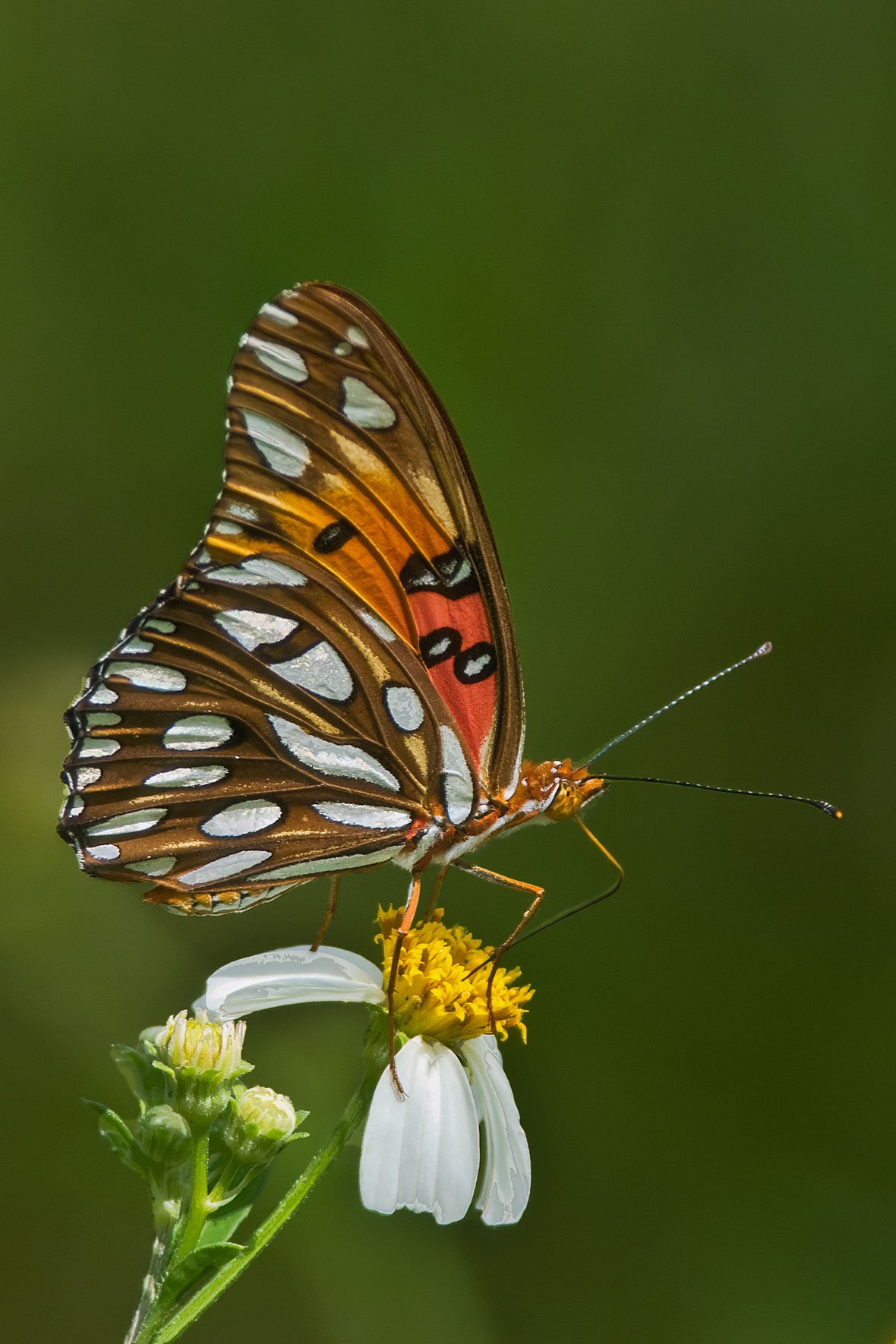
Gulf Fritillary
St. Marks NWR, FL - September 2008
Nikon D80, 300mm f/4 lens + 1.7x tc


The Gulf fritillary is a brightly colored butterfly that can be found in South American, the West Indies, Central America, Mexico and throughout southern regions of the United States. It is a medium-sized butterfly with elongated forewings. The wingspan of adults ranges from 65 to 95 mm. The upperside is bright orange with black markings and the forewing has 3 black-encircled white dots. The brown undersides of the wings have elongated silvery-white spots and a rose patch at the bases of the forewing. The brown and red areas have pigmented scales, but the color of the silver spots is created when light is reflected through prisms in the wing scales. The caterpillar is bright orange with four rows of black, branched spines.

Gulf Fritillary
Betty's garden, Pensacola, FL - September 2008
Nikon D80, 300mm f/4 lens
1/1000 sec at f/6.3, ISO 200


Gulf Fritillary
Betty's garden, Pensacola, FL - September 2008
Nikon D80, 300mm f/4 lens + 1.7x tc
1/640 sec at f/9, ISO 400


Gulf Fritillary
Betty's garden, Pensacola, FL - November 2007
Nikon D80, 300mm f/4 lens
1/80 sec at f/8, ISO 400


Gulf Fritillary - Edinburgh Scenic Wetlands
Rio Grande area, TX - November 2010
Nikon D700, Sigma 180mm f/3.5 + 2x tc
1/1600 sec at f/14, ISO 1600


Gulf Fritillary, NABA International Butterfly Park
Rio Grande area, TX - November 2010
Nikon D700, Sigma 180mm f/3.5 lens + 2x tc
1/1600 sec at f/14, ISO 2000


Gulf Fritillary
Fort Pickens Gulf Islands National Seashore, FL - September 2011
Nikon D300S, 300mm f/2.8 + 1.7x tc
1/1500 sec at f/5.6, ISO 200


Gulf Fritillary Caterpillar
Betty's garden, Pensacola, FL - September 2011
Nikon D300S, Sigma 180mm f/3.5 lens
1/200 sec at f/11, ISO 250

David Sparks

I retired in 2005 after 40 years of research and teaching at the University of Alabama in Birmingham (24 years), the University of Pennsylvania (8 years) and the Baylor College of Medicine (8 years). Photography is my retirement hobby.

Nature photography, especially bird photography, combines a number of things that I really enjoy: bird-watching, being outdoors, photography, travel, messing about with computers, and learning new skills and concepts.  I now spend much of my time engaged in these activities.

David Sibley in the preface to The Sibley Guide to Birds wrote "Birds are beautiful, in spectacular as well as subtle ways; their colors, shapes, actions, and sounds are among the most aesthetically pleasing in nature."  My goal is to acquire images that capture the beauty and uniqueness of selected species as well as images that highlight the engaging behaviors the birds exhibit. 

Common Buckeye Butterflies

Named for its conspicuous target-shaped eyespots, the common buckeye, Junonia coenia Hübner, is found in the United States east of the Rocky Mountains and in Mexico. "The common buckeye is a medium-sized butterfly with several large, conspicuous round eyespots. Adults have a wingspan range of 45 to 70 mm. Females are generally larger than males and have more rounded forewings. The upper surface of the forewing has a broad white postmedian band that touches and often encircles a single large eyespot. The forewing cell has two prominent orange bars. The upper surface of the hindwing has two large eyespots and a broad orange submarginal band." LINK
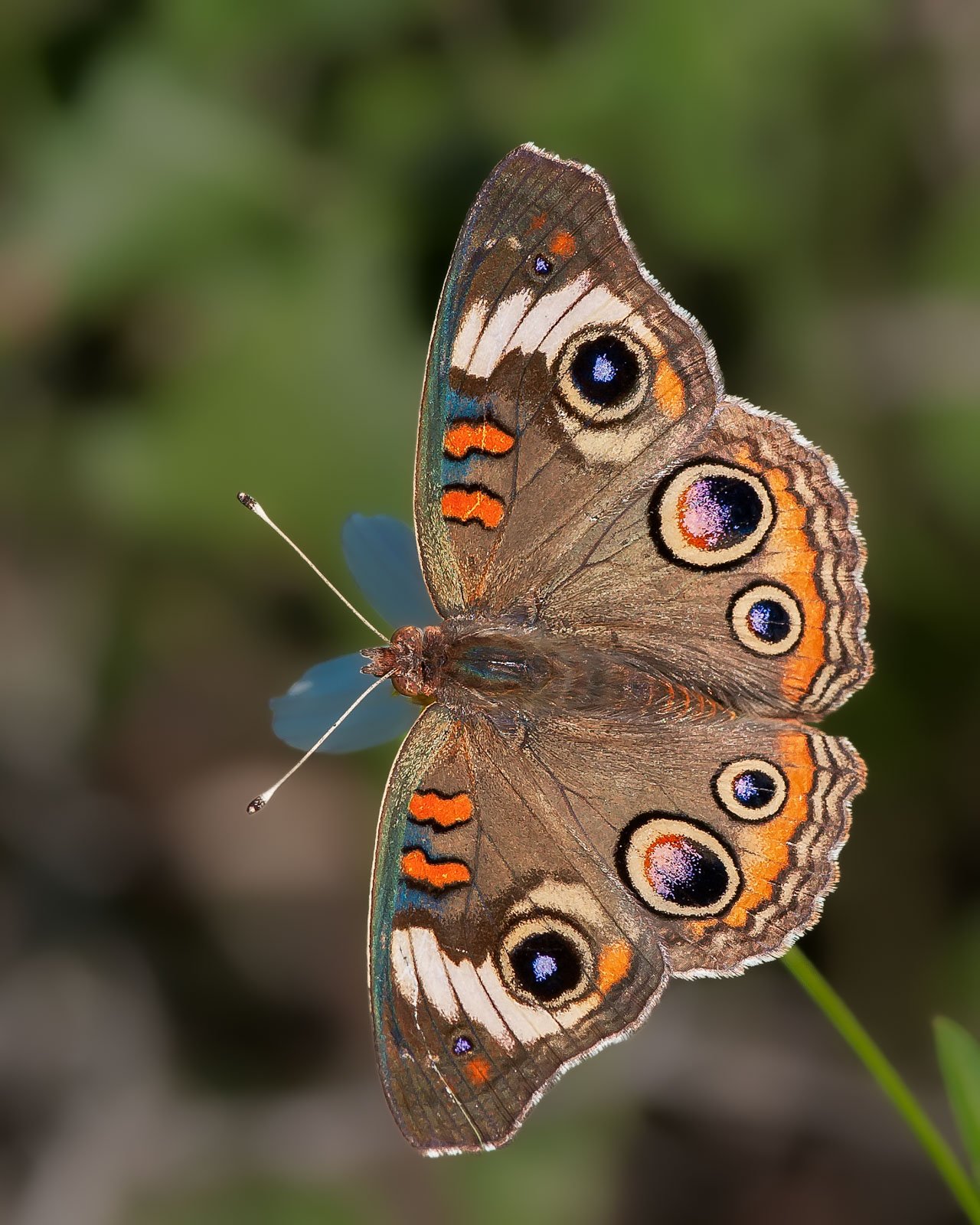
Common Buckeye, Fort Pickens FL - September 2009
Nikon D300, 300mm f/4 lens
1/320 sec at f/8, ISO 200


Common Buckeye
NABA International Butterfly Park, Rio Grande area, TX, November 2010
Nikon D700, Sigma 180mm f/3.5 lens and 2x tc
1/200 sec at f/14, ISO 2500


Common Buckeye
Fort McRae FL - November 2008
Nikon D80, 300mm f/4 lens and 1.4x tc
1/320 sec at f/11, ISO 400

Return to Top

David Sparks

I retired in 2005 after 40 years of research and teaching at the University of Alabama in Birmingham (24 years), the University of Pennsylvania (8 years) and the Baylor College of Medicine (8 years). Photography is my retirement hobby.

Nature photography, especially bird photography, combines a number of things that I really enjoy: bird-watching, being outdoors, photography, travel, messing about with computers, and learning new skills and concepts.  I now spend much of my time engaged in these activities.

David Sibley in the preface to The Sibley Guide to Birds wrote "Birds are beautiful, in spectacular as well as subtle ways; their colors, shapes, actions, and sounds are among the most aesthetically pleasing in nature."  My goal is to acquire images that capture the beauty and uniqueness of selected species as well as images that highlight the engaging behaviors the birds exhibit. 

More about the Snow Geese at Bosque del Apache NWR in New Mexico

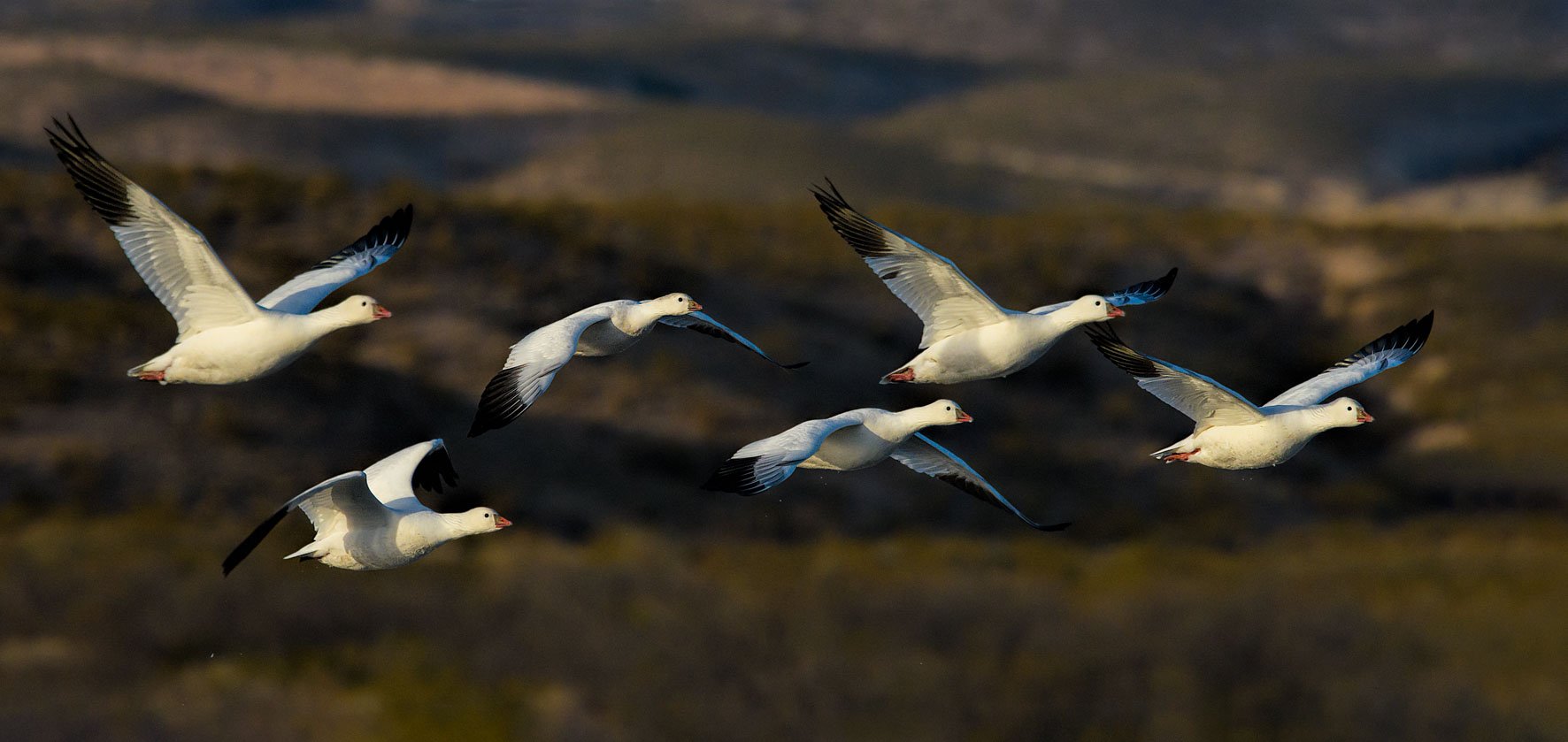
Close inspection of photos of the flocks of snow geese at Bosque presented in the previous posts may reveal a few geese with a dark gray body. The Snow Goose (Chen caerulescens) may appear as a white or a dark morph. The more common white morph has a snowy white plumage except the primary wing feathers are black. The dark morph has a dark gray body and white head. Both morphs have orange legs and black tomia (serrated edges along the sides of the reddish/pink bill).

Ross’ Goose may also be a member of the flock, but they are seen less frequently. The distinction between Snow and Ross’ geese is illustrated and described below.

Cllick on the image to see a slightly larger version.


This is a photo of a dark morph snow goose showing the dark gray body and white head.


White and dark morph snow geese in flight.


Two dark morph snow geese descending to join a large number of white morph geese.


Click on the first image in the gallery and use the right arrow to view larger versions of each image. Hover over the image to see associated text.

David Sparks

I retired in 2005 after 40 years of research and teaching at the University of Alabama in Birmingham (24 years), the University of Pennsylvania (8 years) and the Baylor College of Medicine (8 years). Photography is my retirement hobby.

Nature photography, especially bird photography, combines a number of things that I really enjoy: bird-watching, being outdoors, photography, travel, messing about with computers, and learning new skills and concepts.  I now spend much of my time engaged in these activities.

David Sibley in the preface to The Sibley Guide to Birds wrote "Birds are beautiful, in spectacular as well as subtle ways; their colors, shapes, actions, and sounds are among the most aesthetically pleasing in nature."  My goal is to acquire images that capture the beauty and uniqueness of selected species as well as images that highlight the engaging behaviors the birds exhibit. 

Snow Geese at Bosque del Apache NWR in New Mexico (continued)

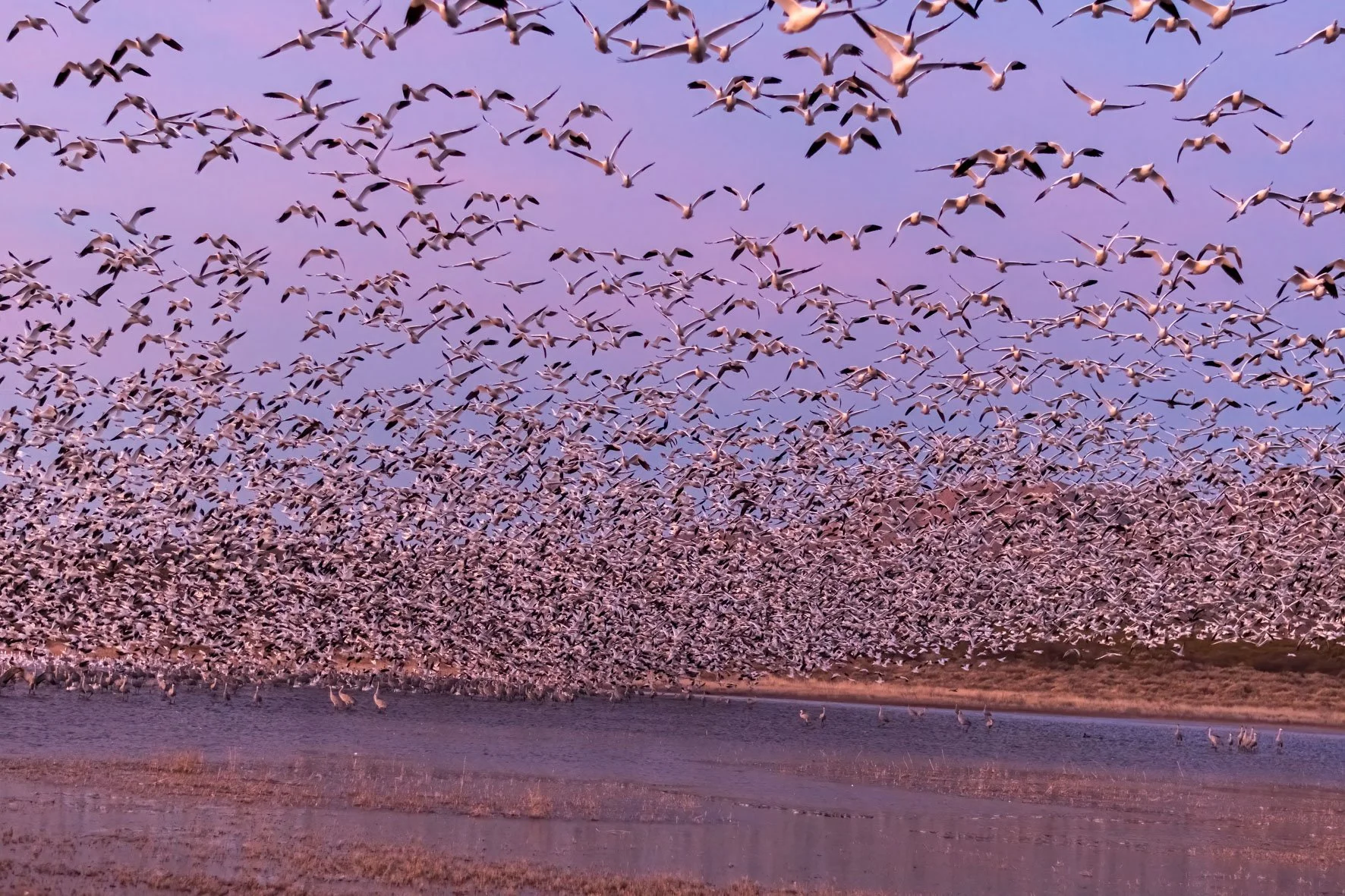
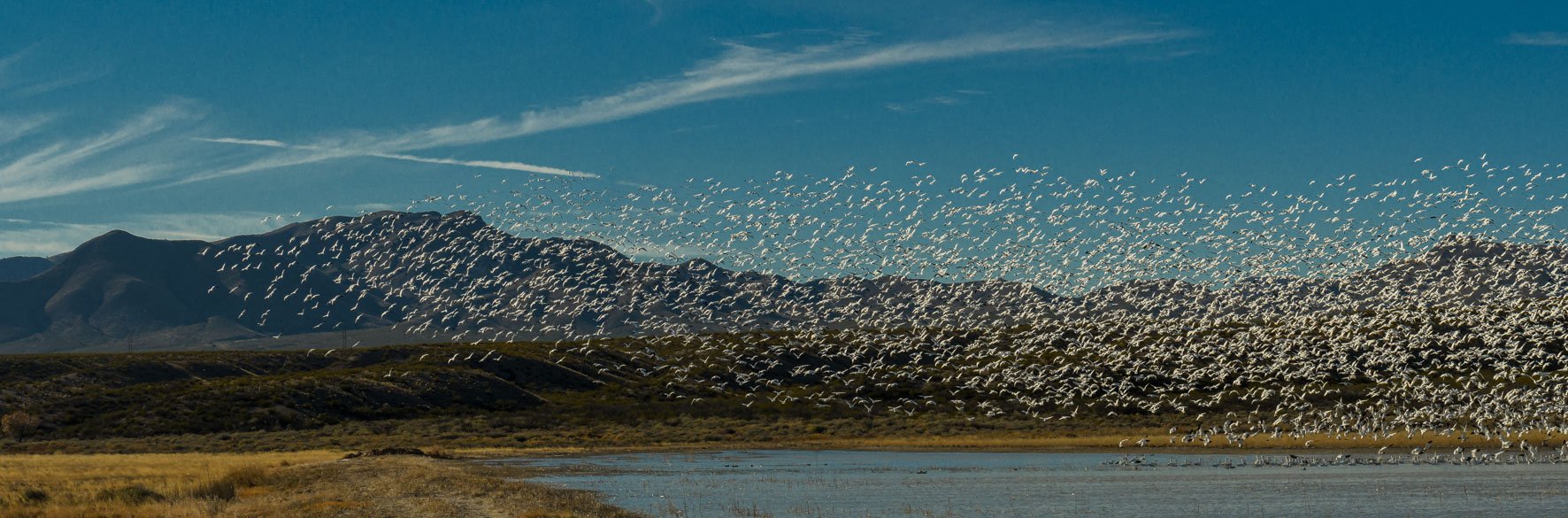
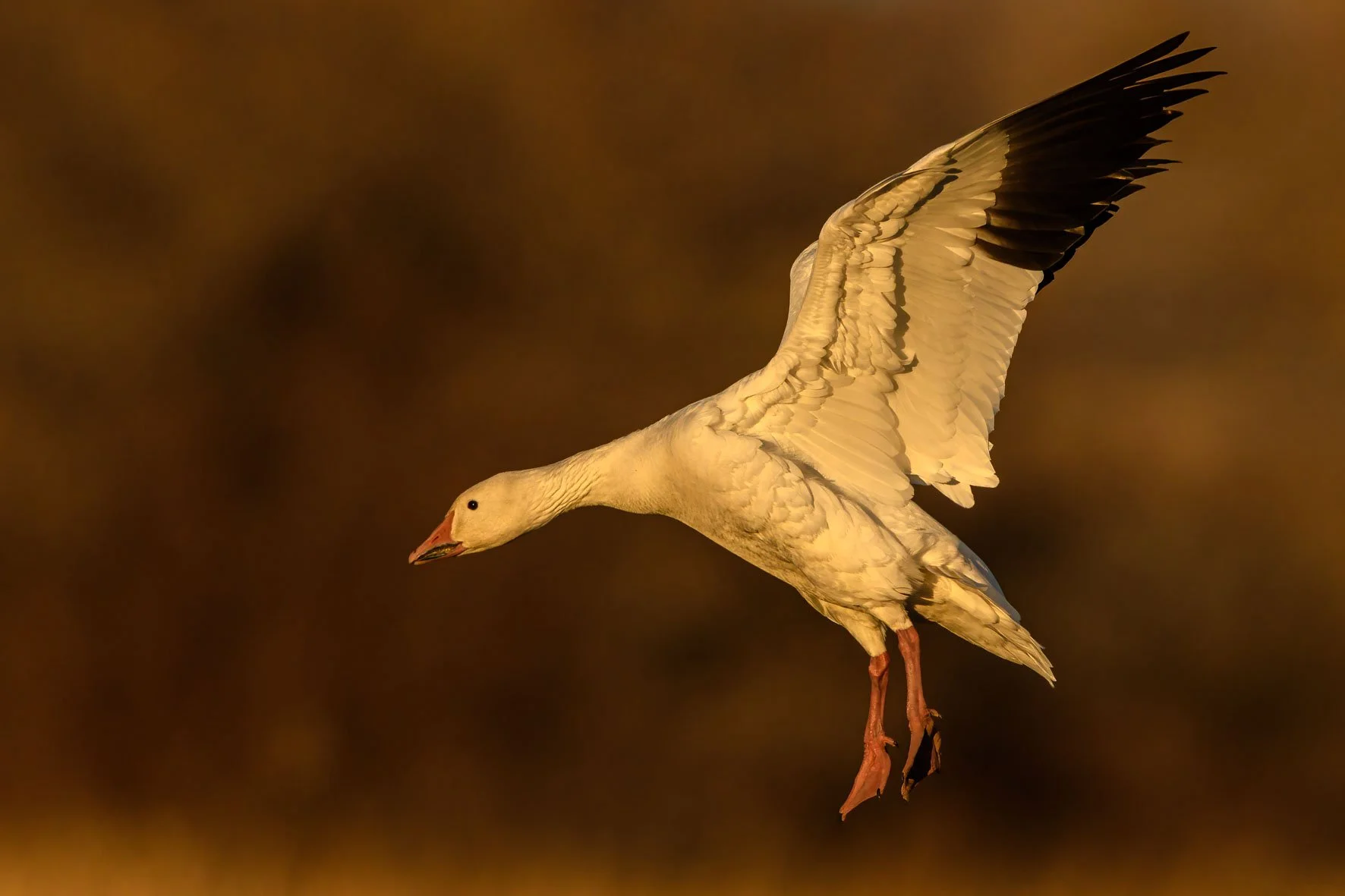
I continue to cull and sort the photos I have taken on my 18 visits to Bosque del Apache NWR. The previous post illustrated the early morning blast-off of snow geese. During the day, their main activities seem to be feeding and resting. After the early morning blast-off, the birds move to their feeding grounds splitting into smaller, but still sizable, gaggles. The photographer still has an opportunity to capture a snow geese blast-off. As illustrated in the first two images, at, for me, unpredictable times, the feeding birds will suddenly all take flight. As illustrated by the third image, when the birds return to the pool of water where they spend the night, there is another opportunity to photograph the skein. The remainder of the images in this post are my favorite shots of a single snow goose in flight.

Click on the first image in the gallery and use the right arrow to view larger versions of each image. Hover over the image to see information about the camera, lens, and settings used.


David Sparks

I retired in 2005 after 40 years of research and teaching at the University of Alabama in Birmingham (24 years), the University of Pennsylvania (8 years) and the Baylor College of Medicine (8 years). Photography is my retirement hobby.

Nature photography, especially bird photography, combines a number of things that I really enjoy: bird-watching, being outdoors, photography, travel, messing about with computers, and learning new skills and concepts.  I now spend much of my time engaged in these activities.

David Sibley in the preface to The Sibley Guide to Birds wrote "Birds are beautiful, in spectacular as well as subtle ways; their colors, shapes, actions, and sounds are among the most aesthetically pleasing in nature."  My goal is to acquire images that capture the beauty and uniqueness of selected species as well as images that highlight the engaging behaviors the birds exhibit. 

Early Morning Blast-off of Snow Geese at Bosque del Apache NWR in New Mexico

I am putting together a collections of photos that could be called Dave’s Best of Bosque. These are candidates for inclusion. They represent the large gatherings of Snow Geese that can be seen there, and are examples of the view during the early morning blast-offs.

Images were taken with a Nikon D500 and 50mm f/1.8 lens. Except for #2 (a composite of several frames), shutter speed was 1/2500 sec and ISO ranged from 100 (#1 and #8) to 2200 (#3 and #4).

Click on any image in the gallery to see a larger version or click on the first image and use the right arrow to view larger versions of each image in the sequence in order. Hover over the image to see more details about the shot.


David Sparks

I retired in 2005 after 40 years of research and teaching at the University of Alabama in Birmingham (24 years), the University of Pennsylvania (8 years) and the Baylor College of Medicine (8 years). Photography is my retirement hobby.

Nature photography, especially bird photography, combines a number of things that I really enjoy: bird-watching, being outdoors, photography, travel, messing about with computers, and learning new skills and concepts.  I now spend much of my time engaged in these activities.

David Sibley in the preface to The Sibley Guide to Birds wrote "Birds are beautiful, in spectacular as well as subtle ways; their colors, shapes, actions, and sounds are among the most aesthetically pleasing in nature."  My goal is to acquire images that capture the beauty and uniqueness of selected species as well as images that highlight the engaging behaviors the birds exhibit. 

Sandhill Crane Takeoff Sequence - Bosque del Apache NWR

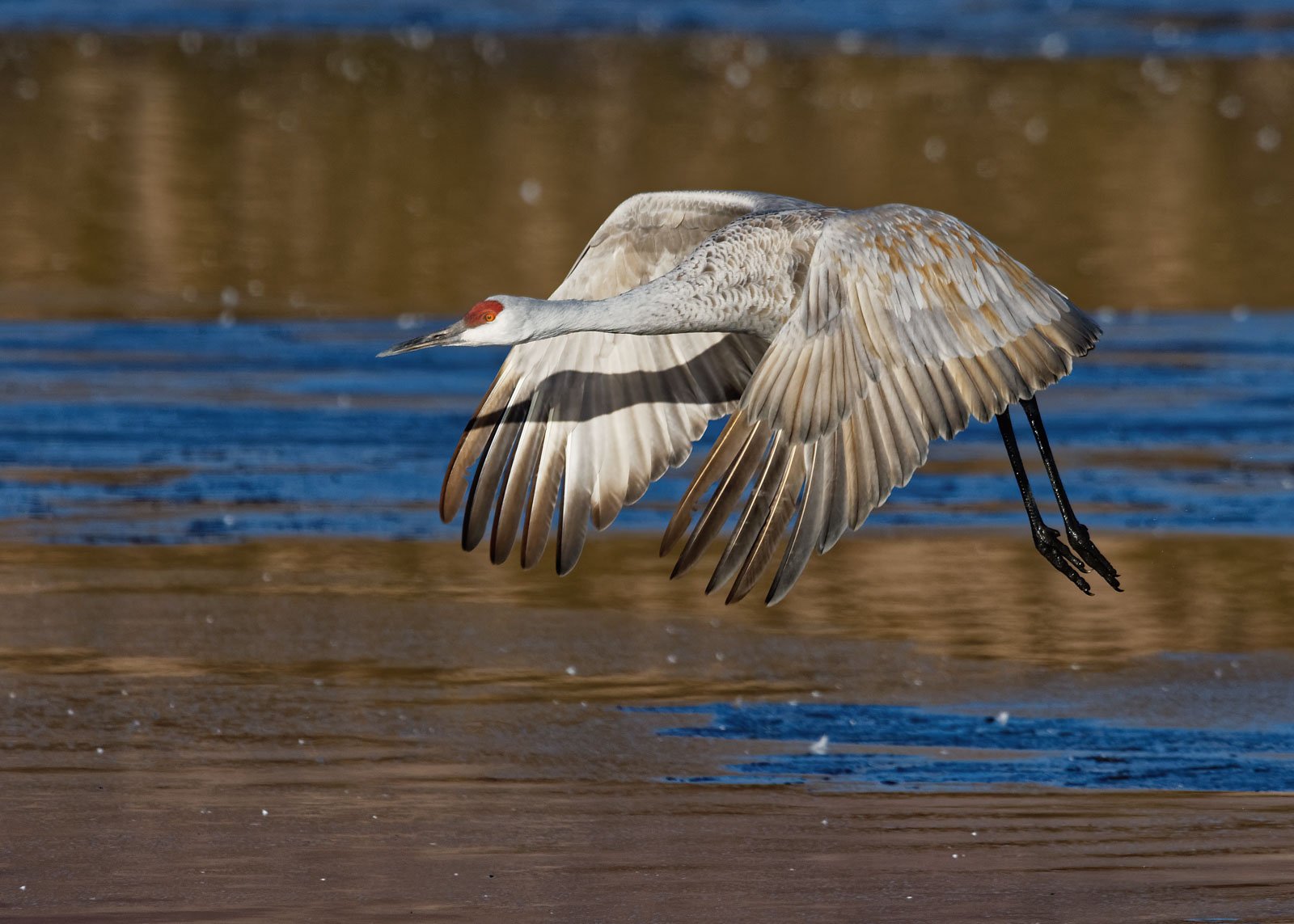
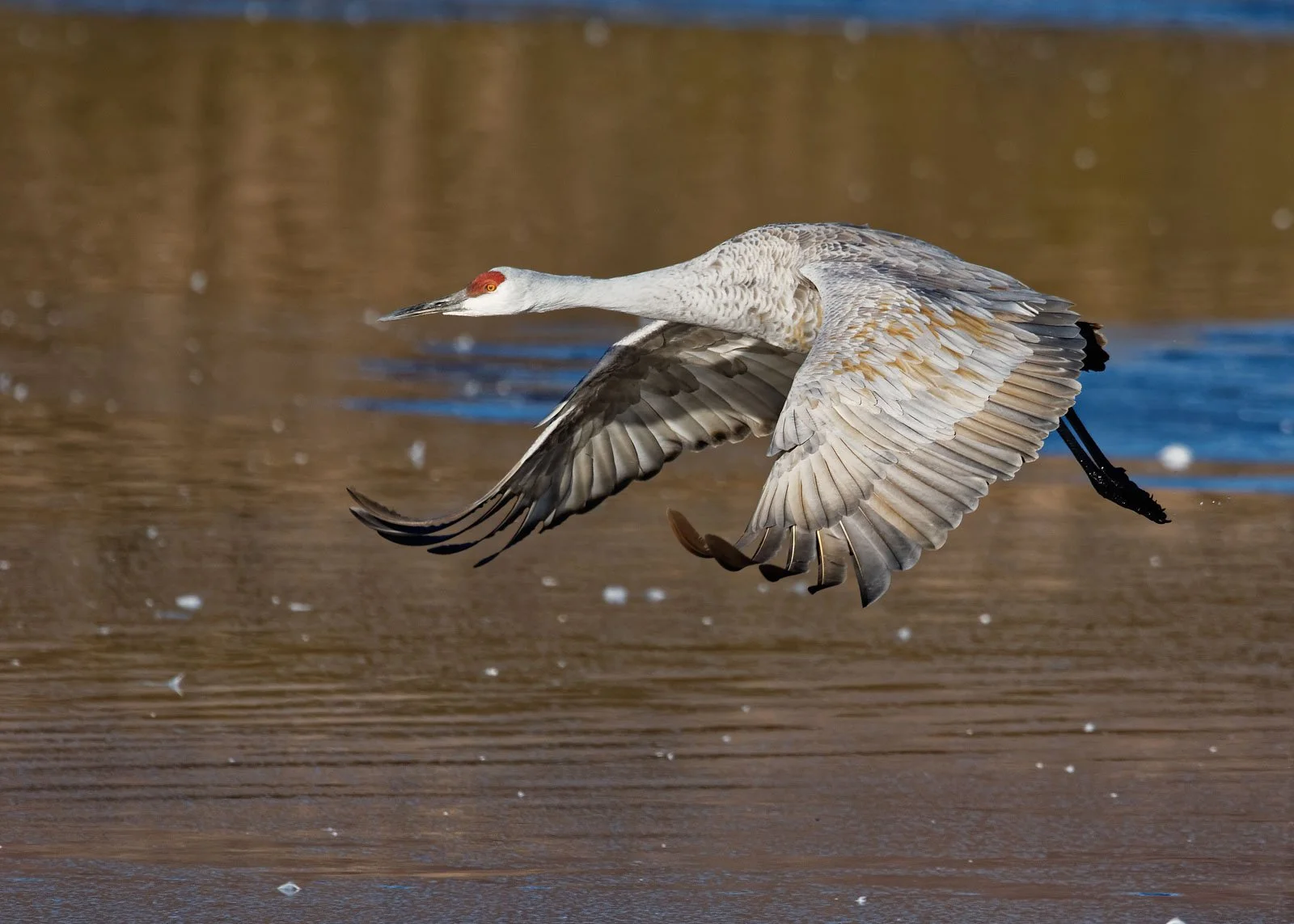
While culling the photos I added to my Lightroom catalog after an outing to the Bosque del Apache NWR in December 2021, I found many unprocessed photos taken at Bosque in January 2018. I think they were ignored and forgotten because of the chaos associated with becoming full time residents of Colorado in December 2017 after selling our house in Florida.

Sandhill Crane - Bosque del Apache NWR, New Mexico - January 12, 2018

The 12 shots in the gallery shown below are part of one takeoff sequence. The interval between the first and last shot was 7 seconds.

Nikon D500, 300mm f//4 + 1.4x teleconverter
1/3200 sec at f/7.1, ISO 360-500

Click on any image in the gallery to see a larger version or click on the first image and use the right arrow to view larger versions of each image in the sequence in order.


David Sparks

I retired in 2005 after 40 years of research and teaching at the University of Alabama in Birmingham (24 years), the University of Pennsylvania (8 years) and the Baylor College of Medicine (8 years). Photography is my retirement hobby.

Nature photography, especially bird photography, combines a number of things that I really enjoy: bird-watching, being outdoors, photography, travel, messing about with computers, and learning new skills and concepts.  I now spend much of my time engaged in these activities.

David Sibley in the preface to The Sibley Guide to Birds wrote "Birds are beautiful, in spectacular as well as subtle ways; their colors, shapes, actions, and sounds are among the most aesthetically pleasing in nature."  My goal is to acquire images that capture the beauty and uniqueness of selected species as well as images that highlight the engaging behaviors the birds exhibit. 

Texas Sunrise - October 31, 2021


David Sparks

I retired in 2005 after 40 years of research and teaching at the University of Alabama in Birmingham (24 years), the University of Pennsylvania (8 years) and the Baylor College of Medicine (8 years). Photography is my retirement hobby.

Nature photography, especially bird photography, combines a number of things that I really enjoy: bird-watching, being outdoors, photography, travel, messing about with computers, and learning new skills and concepts.  I now spend much of my time engaged in these activities.

David Sibley in the preface to The Sibley Guide to Birds wrote "Birds are beautiful, in spectacular as well as subtle ways; their colors, shapes, actions, and sounds are among the most aesthetically pleasing in nature."  My goal is to acquire images that capture the beauty and uniqueness of selected species as well as images that highlight the engaging behaviors the birds exhibit. 

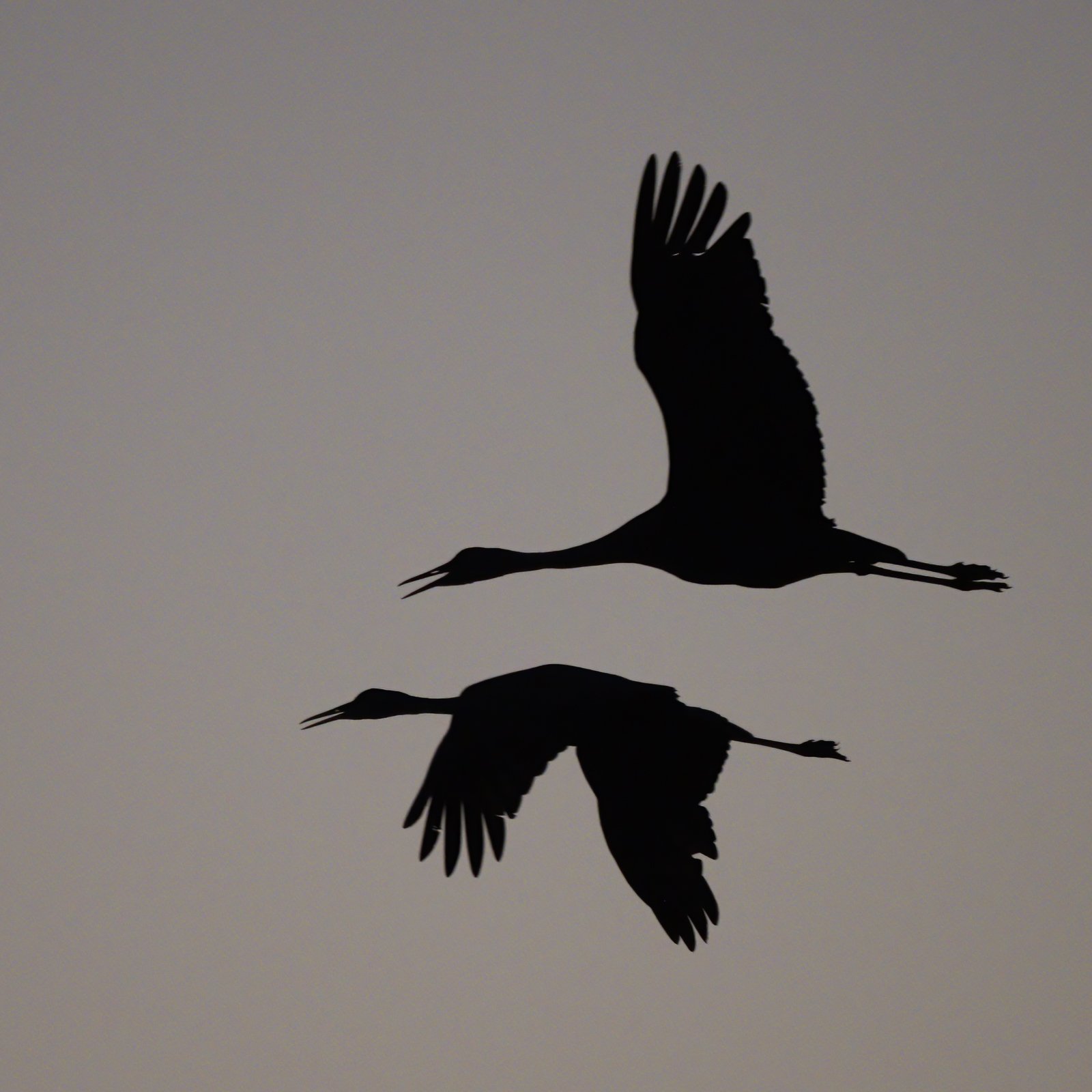
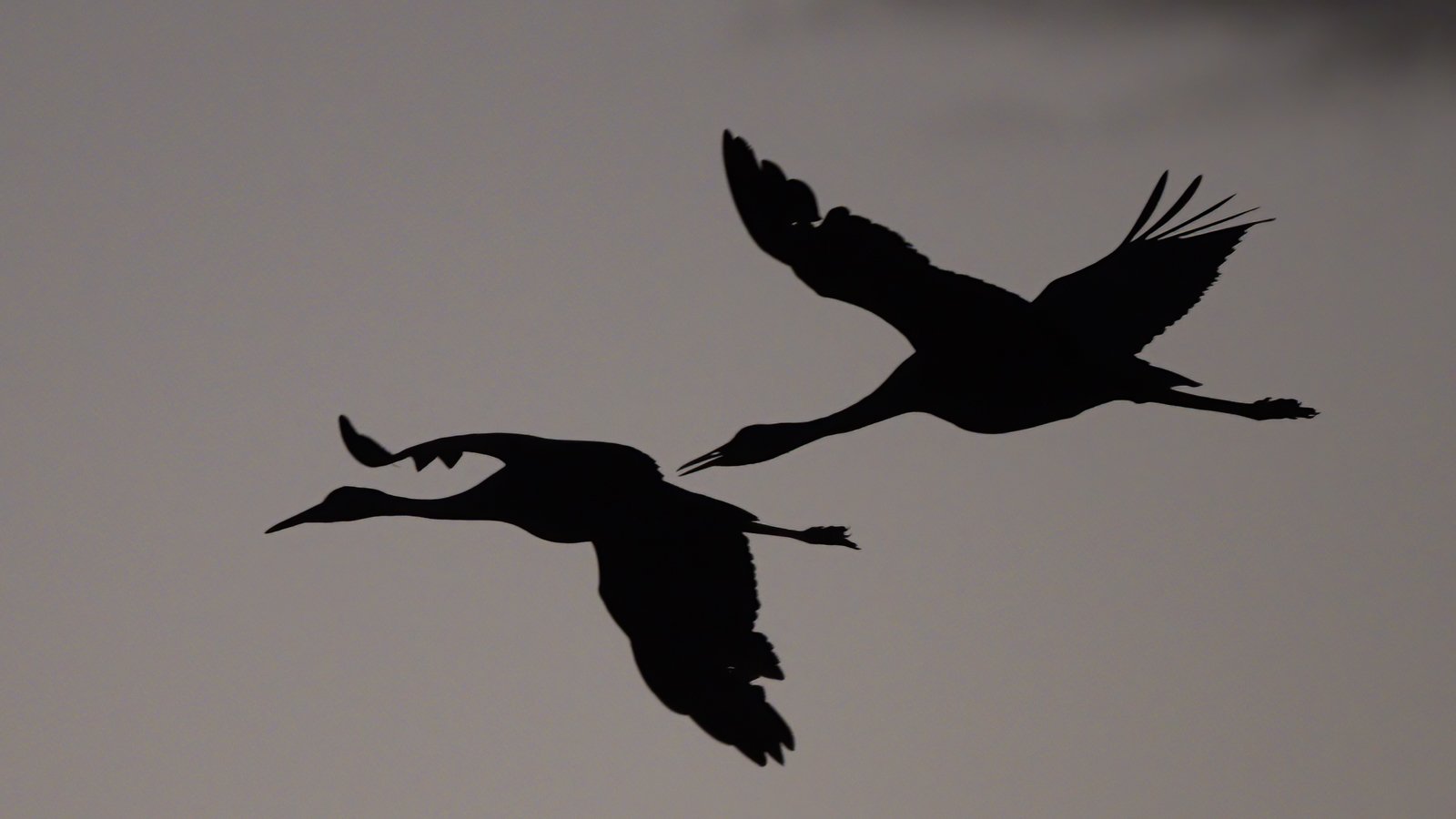
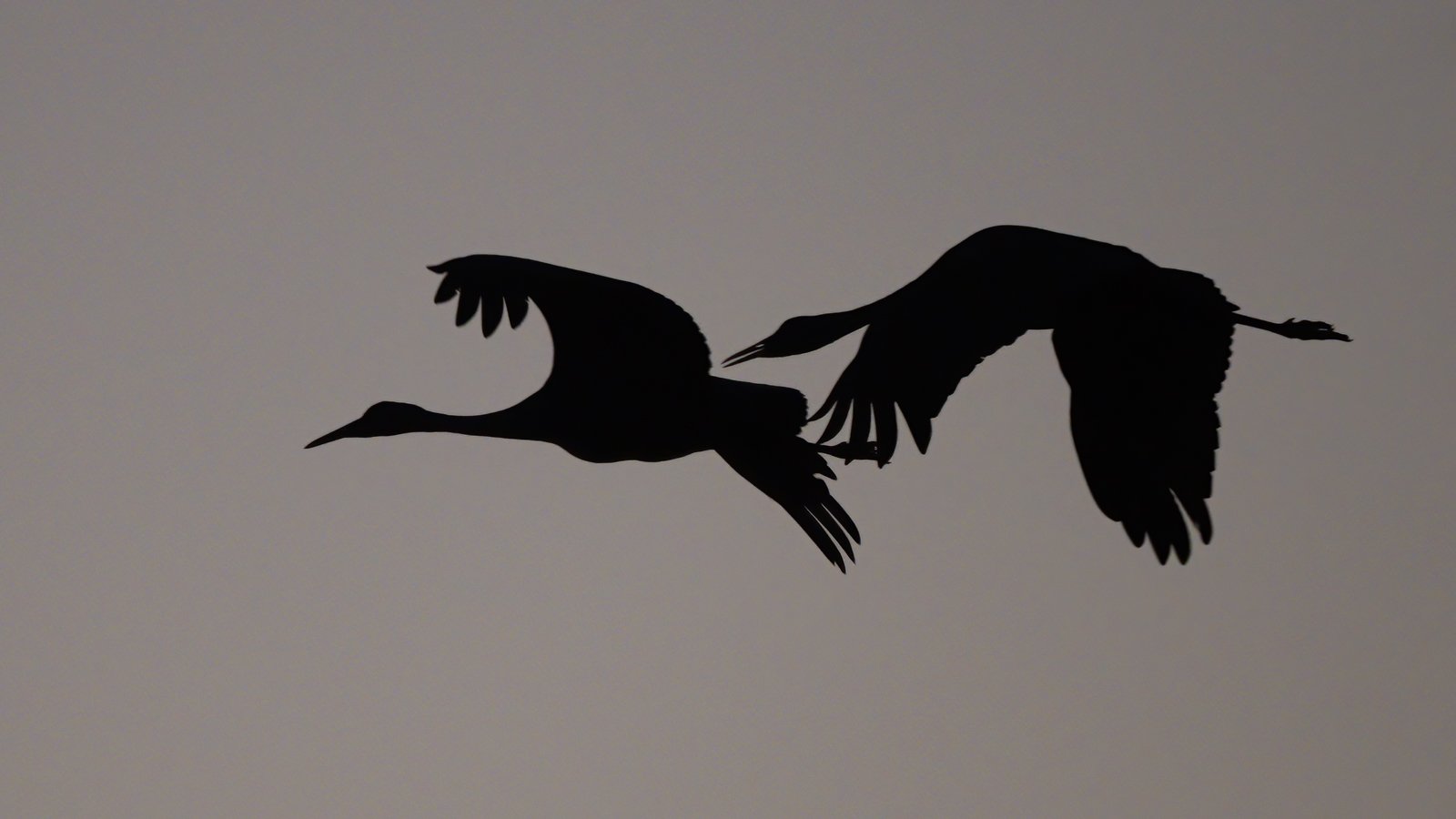
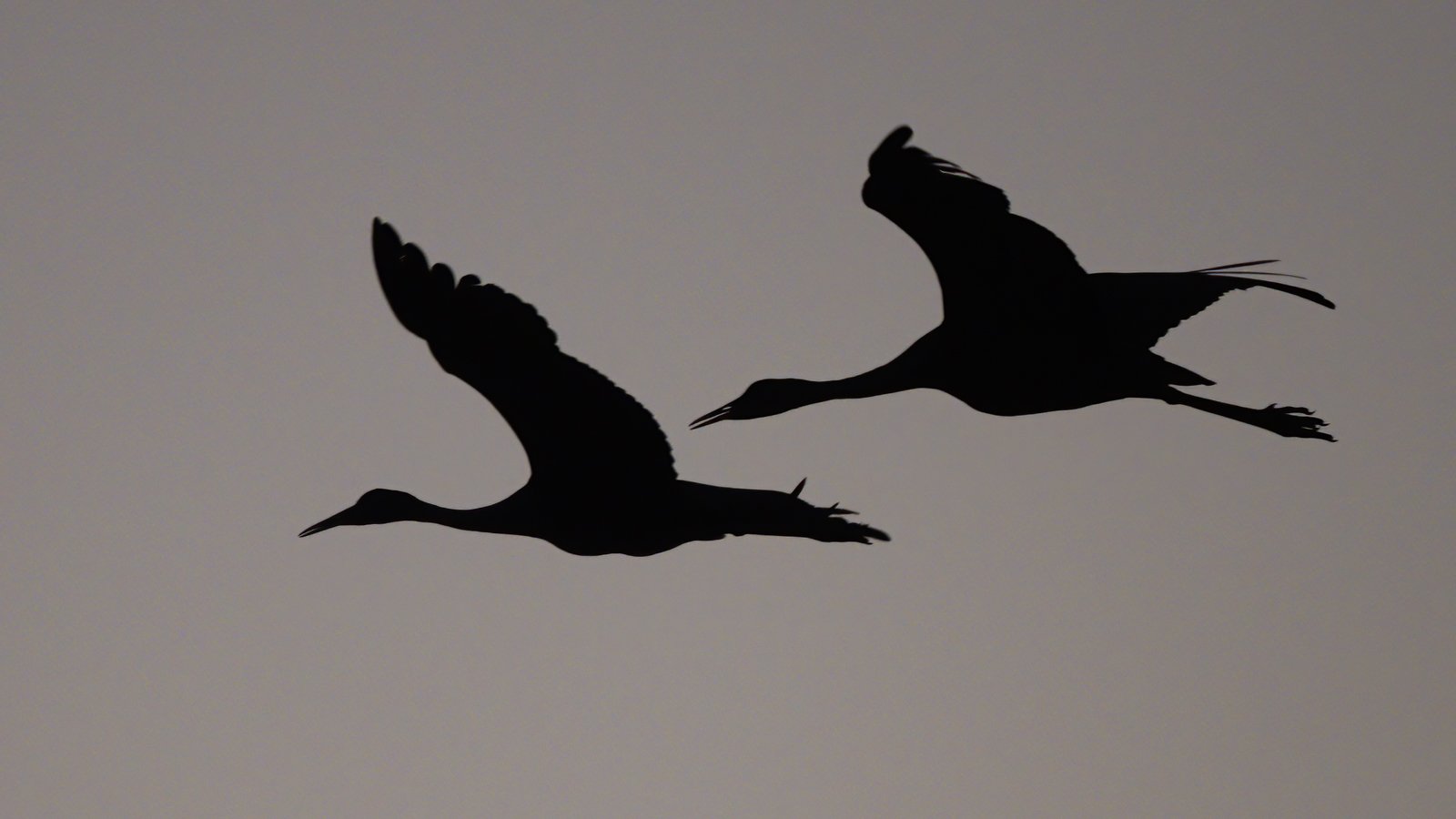
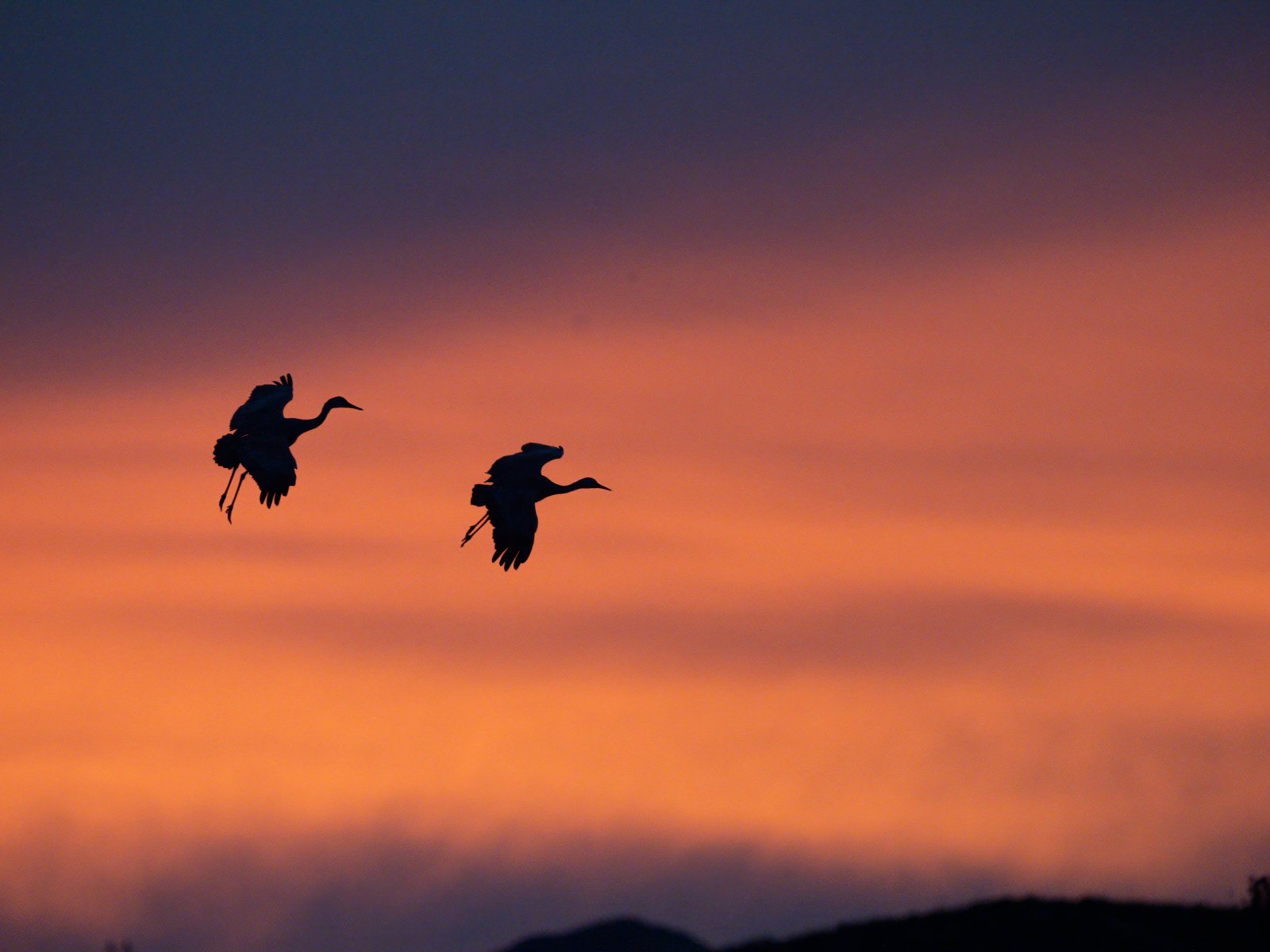
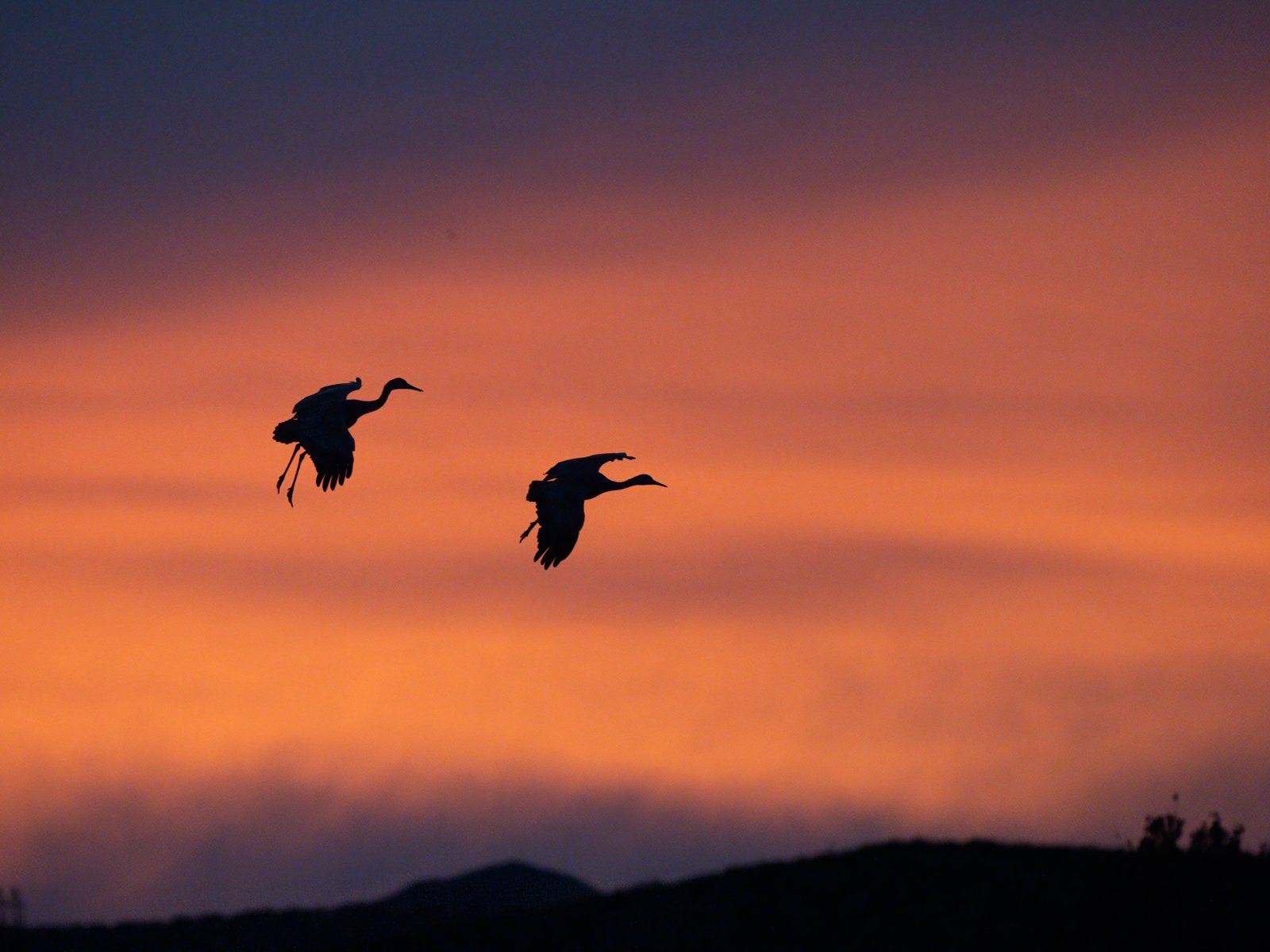
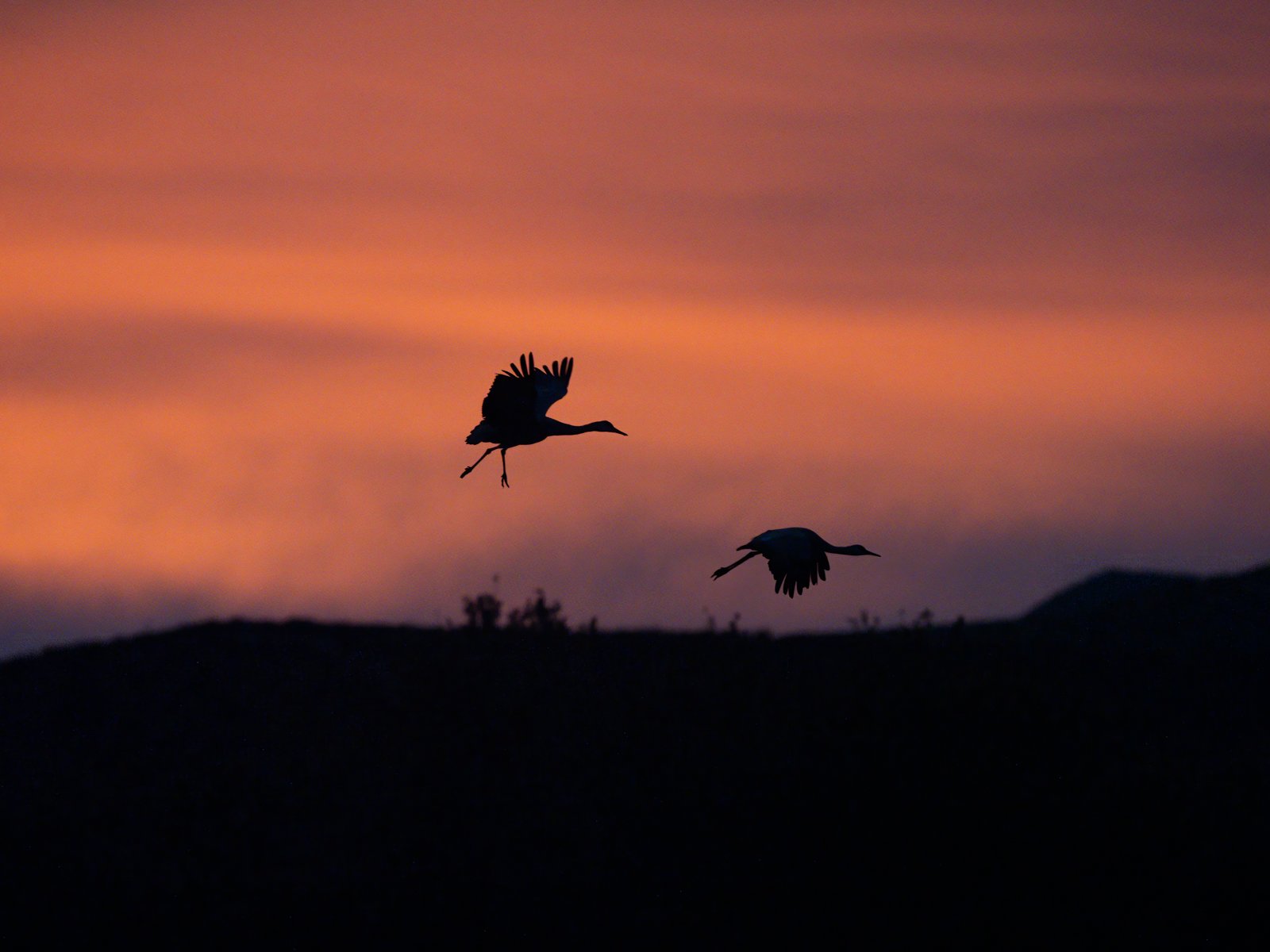
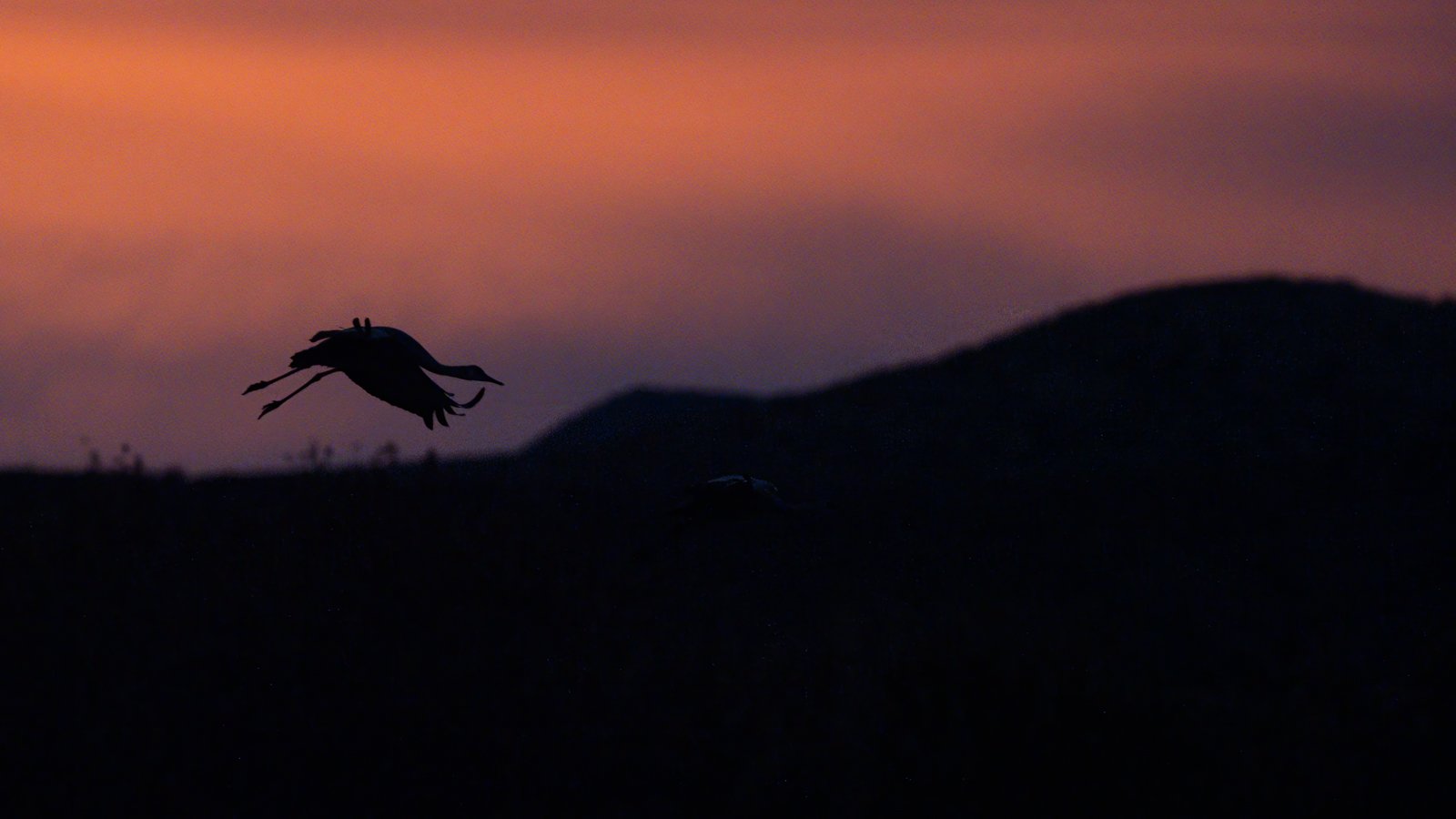
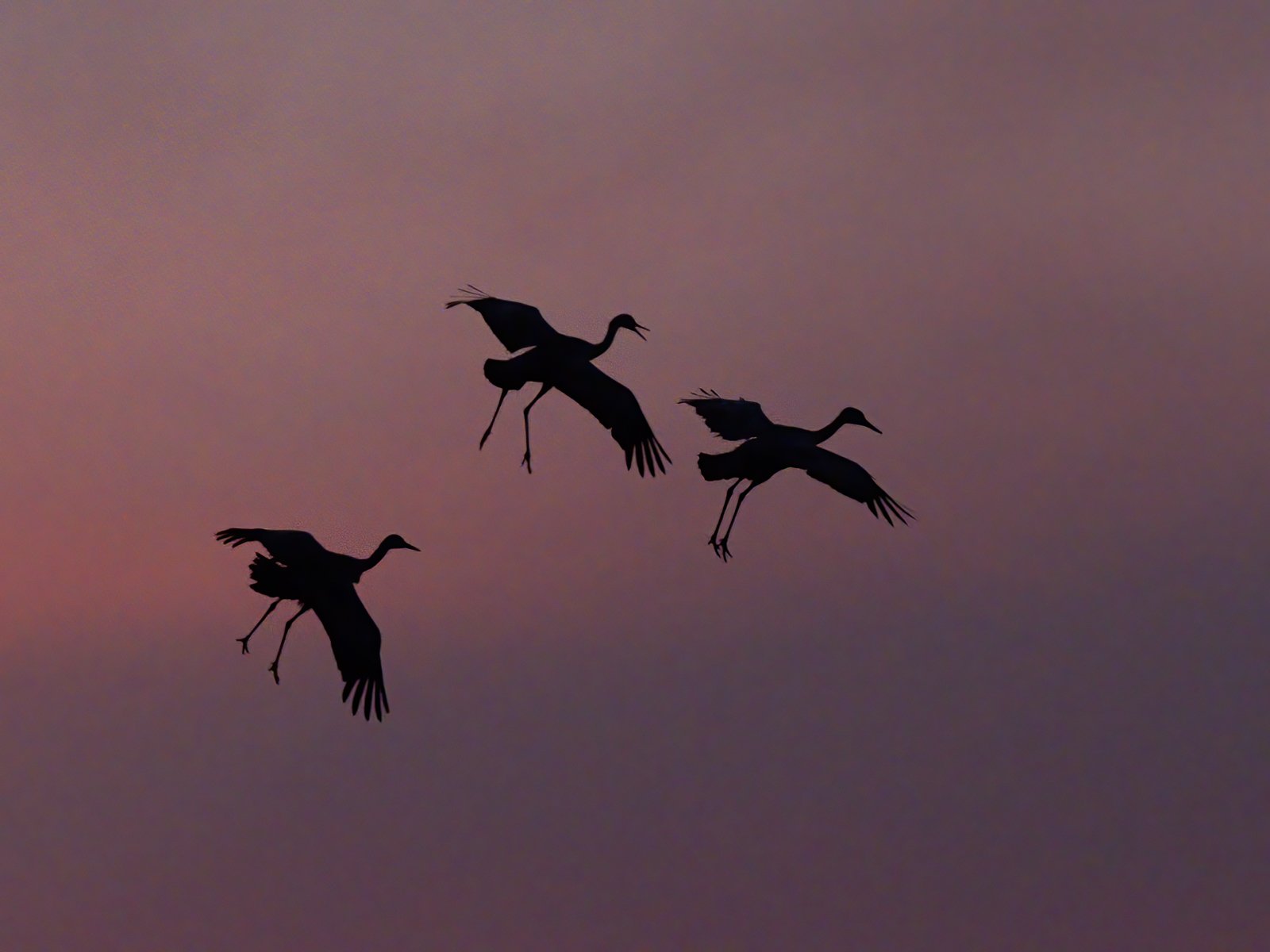
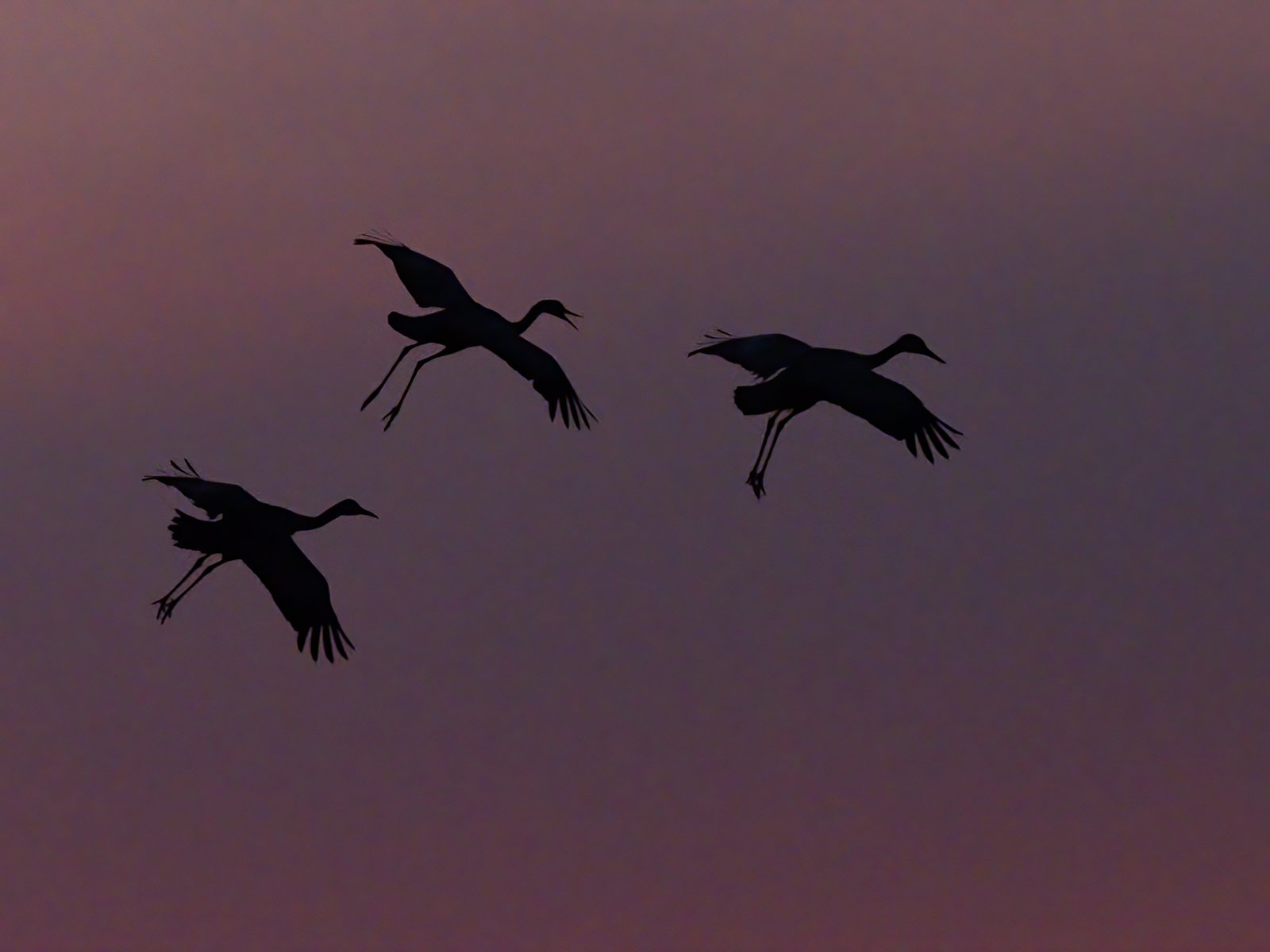
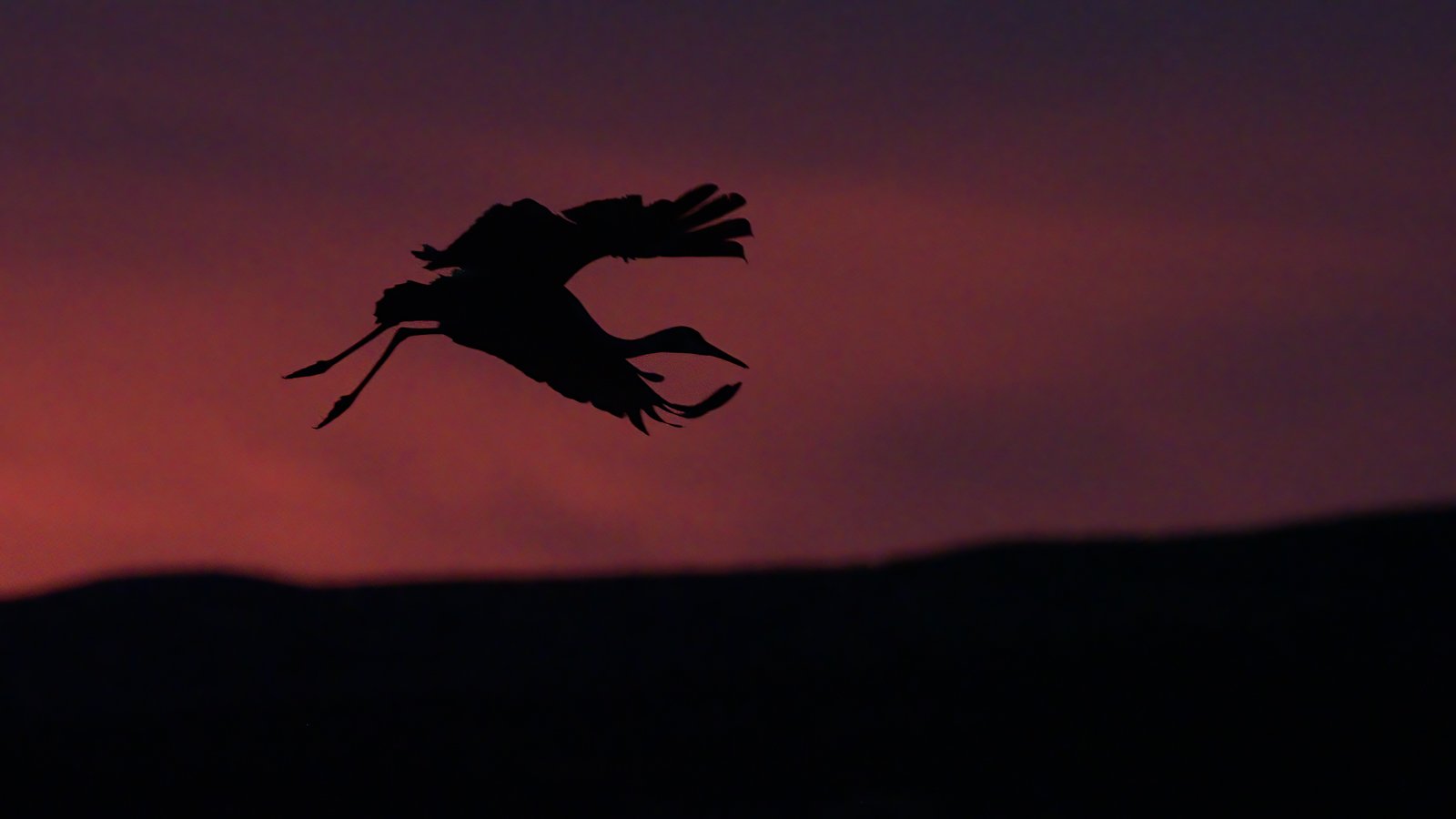
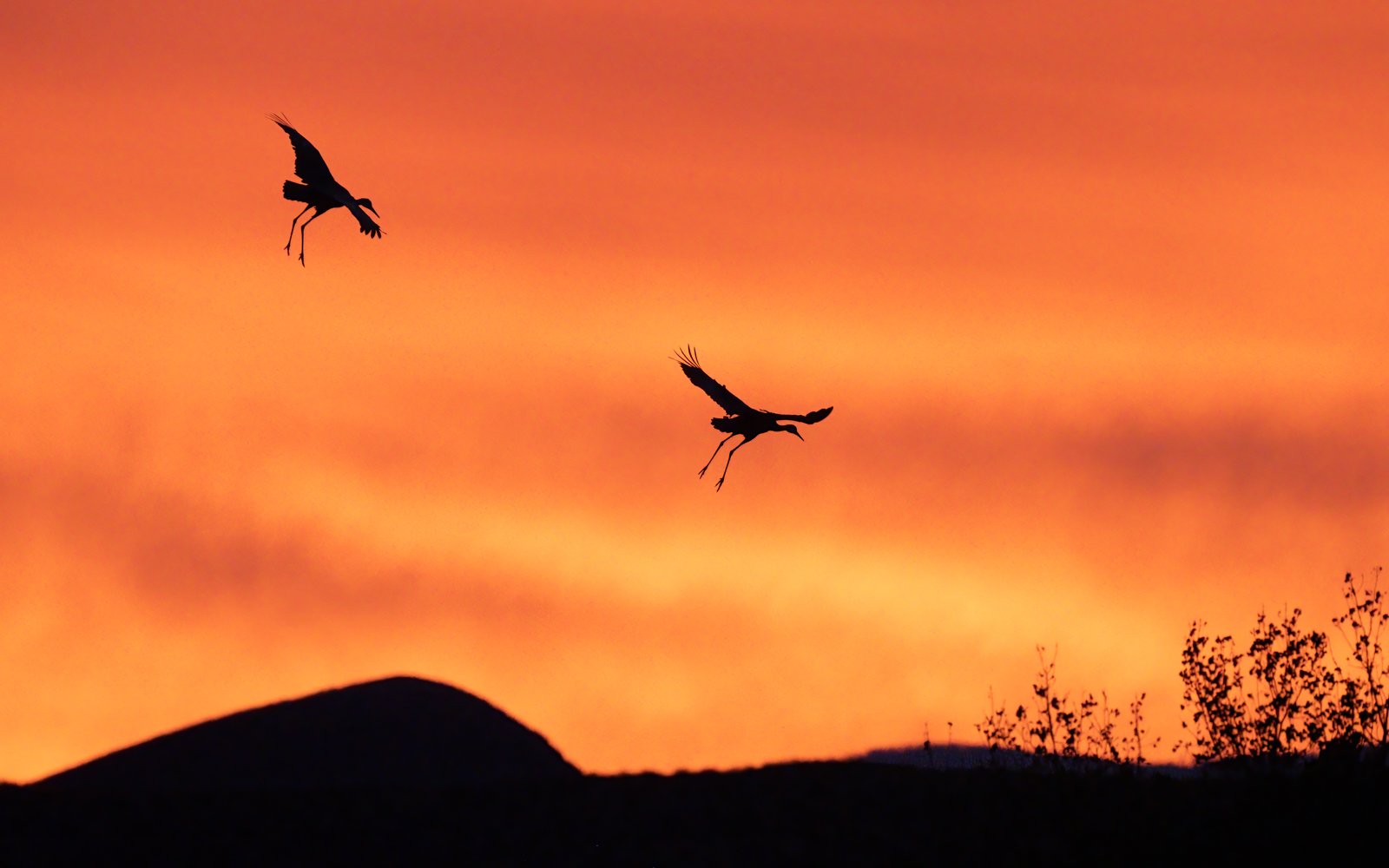
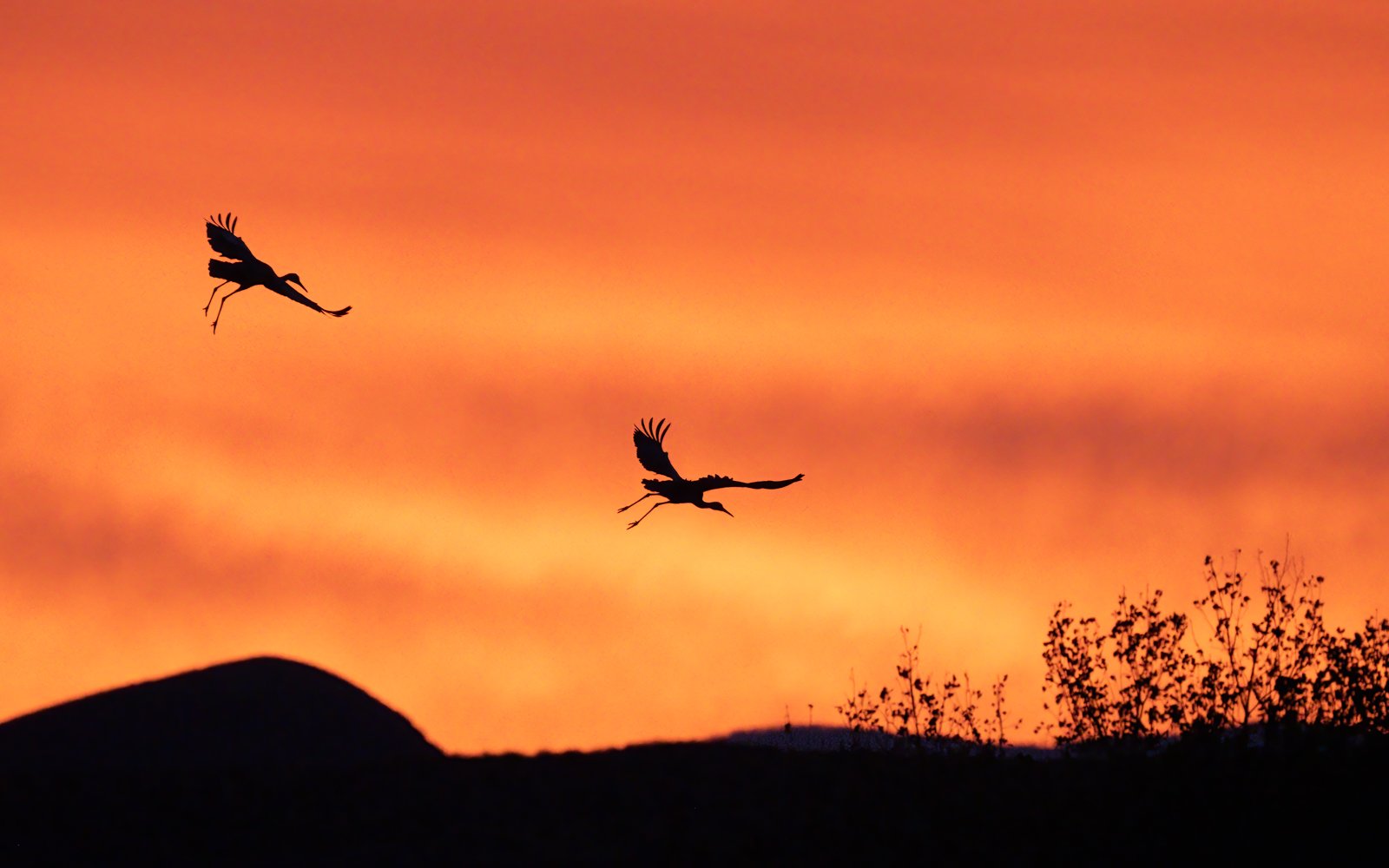
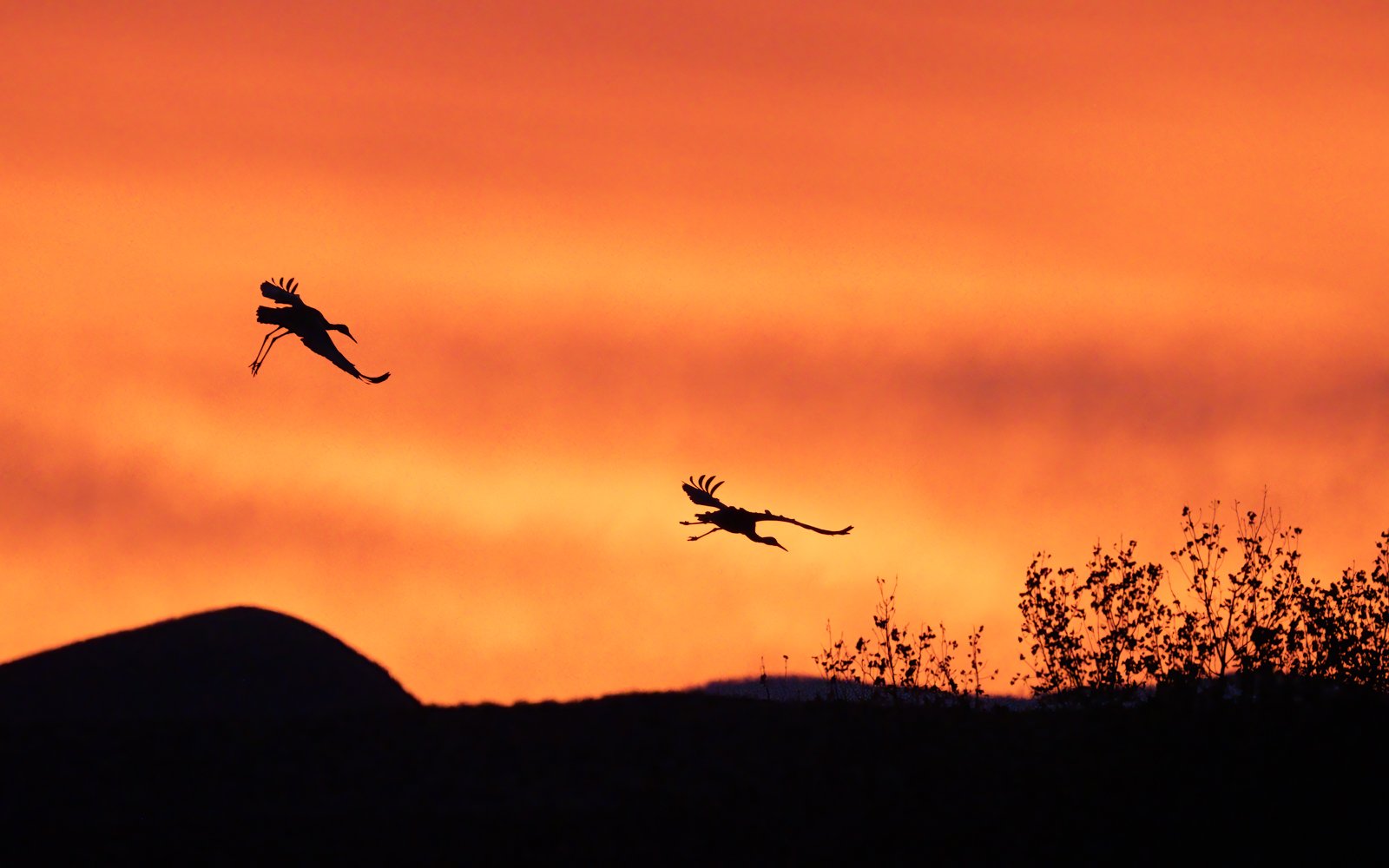
Sandhill Silhouettes Some Shall Savor

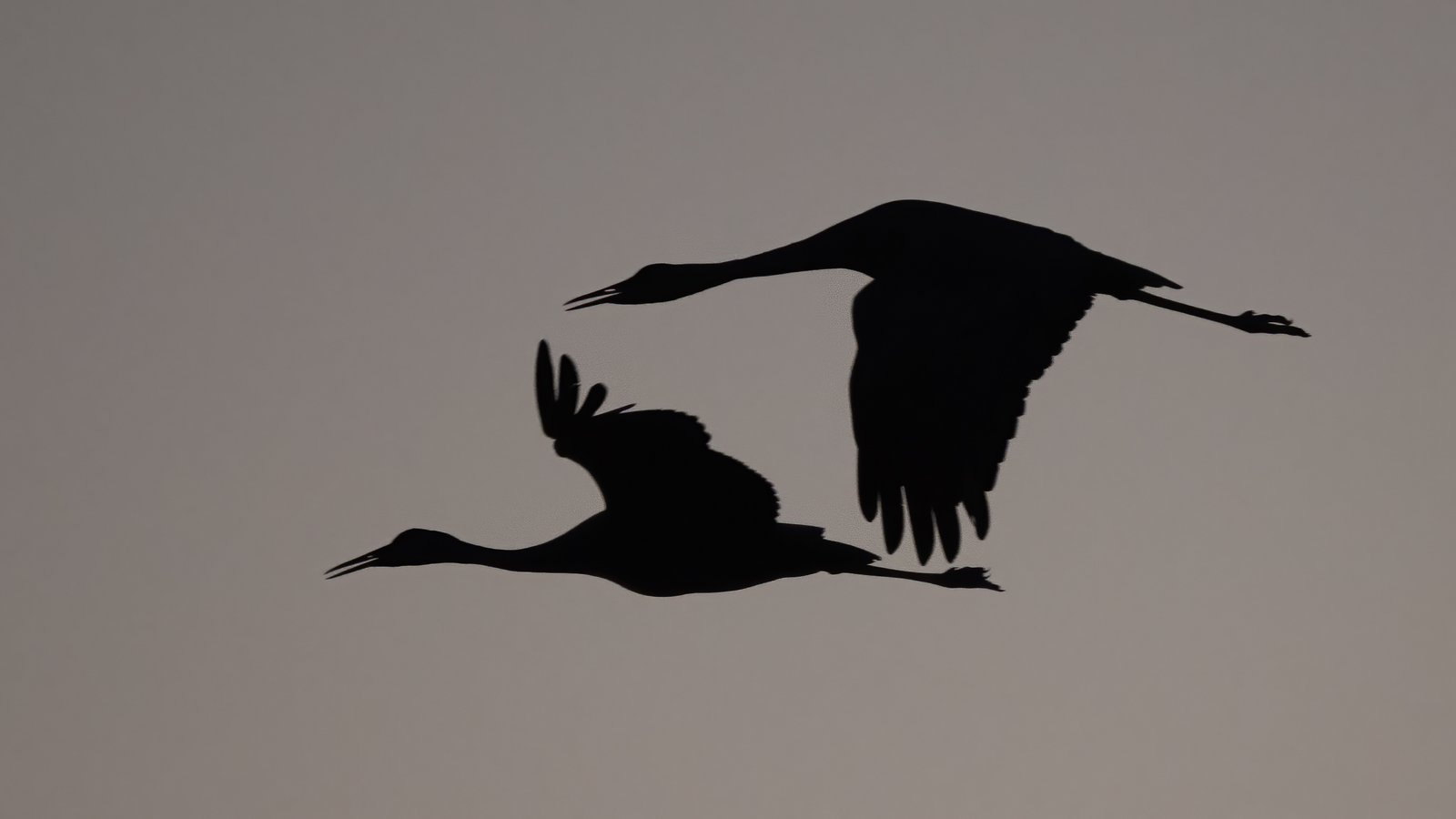
Nineteen images of sandhill cranes coming in after sunset to land in an overnight crane pool at the Bosque del Apache NWR in New Mexico on the evenings of December 9 and 10 2021.

David Sparks

I retired in 2005 after 40 years of research and teaching at the University of Alabama in Birmingham (24 years), the University of Pennsylvania (8 years) and the Baylor College of Medicine (8 years). Photography is my retirement hobby.

Nature photography, especially bird photography, combines a number of things that I really enjoy: bird-watching, being outdoors, photography, travel, messing about with computers, and learning new skills and concepts.  I now spend much of my time engaged in these activities.

David Sibley in the preface to The Sibley Guide to Birds wrote "Birds are beautiful, in spectacular as well as subtle ways; their colors, shapes, actions, and sounds are among the most aesthetically pleasing in nature."  My goal is to acquire images that capture the beauty and uniqueness of selected species as well as images that highlight the engaging behaviors the birds exhibit. 

American Kestrel - Bosque del Apache NWR - 12/11/2021

As I drove the north and south loop roads at Bosque last week, I was remembering the locations where I had taken some of my favorite shots on previous trips to the refuge. At one point I remember that I had obtained a few close-up shots of an American Kestrel on a post around the next turn. As I made the turn, I saw a kestrel on the same post. I stopped my car in a location with a good light angle and was able to get the images shown below. Click on each image to see a slightly larger version.

American Kestrel - Bosque del Apache NWR - December 11, 2021

Olympus E-M1X camera, 150-400mm f/4.5 TC lens
Settings: 395mm focal length, 1/2000 sec at f/5.6, ISO 320


American Kestrel - Bosque del Apache NWR - December 11, 2021

Olympus E-M1X camera, 150-400mm f/4.5 TC lens
Settings: 395mm, 1/2000 sec at f/5.6, ISO 320


American Kestrel - Bosque del Apache NWR - December 11, 2021

Olympus E-M1X camera, 150-400mm f/4.5 TC lens
Settings: 395mm, 1/2000 sec at f/5.6, ISO 400


American Kestrel with catch - Bosque del Apache NWR - December 11, 2021

Olympus E-M1X camera, 150-400mm f/4.5 TC lens
Settings: 395mm, 1/2000 at f/5.6, ISO 250


American Kestrel with catch - Bosque del Apache NWR - December 11, 2021

Olympus E-M1X camera, 150-400mm f/4.5 TC lens
Settings: 395mm, 1/2000 at f/5.6, ISO 320


American Kestrel with catch - Bosque del Apache NWR - December 11, 2021

Olympus E-M1X camera, 150-400mm f/4.5 TC lens
Settings: 395mm, 1/2000 at f/5.6, ISO 320


David Sparks

I retired in 2005 after 40 years of research and teaching at the University of Alabama in Birmingham (24 years), the University of Pennsylvania (8 years) and the Baylor College of Medicine (8 years). Photography is my retirement hobby.

Nature photography, especially bird photography, combines a number of things that I really enjoy: bird-watching, being outdoors, photography, travel, messing about with computers, and learning new skills and concepts.  I now spend much of my time engaged in these activities.

David Sibley in the preface to The Sibley Guide to Birds wrote "Birds are beautiful, in spectacular as well as subtle ways; their colors, shapes, actions, and sounds are among the most aesthetically pleasing in nature."  My goal is to acquire images that capture the beauty and uniqueness of selected species as well as images that highlight the engaging behaviors the birds exhibit. 

Northern Pintail Ducks in Flight

The photos were taken at the Bosque del Apache NWR in New Mexico on December 9, 2021. Compared to several previous years when I visited Bosque, drought conditions had dramatically changed the locations where photographers grouped to capture the early morning departure of the Sandhill Cranes from their roosting areas and the late afternoon arrival at those locations. Click on the image to see a slightly larger version.

Northern Pintails - Bosque del Apache NWR in New Mexico - December 9, 2021
All photos were taken handheld with an Olympus E-M1X camera and a 150-400mm f/4.5 TC lens. Settings for the first three images were 500mm focal length, 1/3200 sec at f/5.6 and ISO 500.


The pintails were feeding in the short grassy areas at the edge of the pool of water the sandhilll cranes were using as a roosting area.


Ample opportunity to try to capture images of the birds in flight existed because small numbers of the pintails were frequently entering or exiting this part of the refuge and/or changing locations within the area.

Settings for this image were 445mm focal length, 1/3200 sec at f/5.6, ISO 500.

David Sparks

I retired in 2005 after 40 years of research and teaching at the University of Alabama in Birmingham (24 years), the University of Pennsylvania (8 years) and the Baylor College of Medicine (8 years). Photography is my retirement hobby.

Nature photography, especially bird photography, combines a number of things that I really enjoy: bird-watching, being outdoors, photography, travel, messing about with computers, and learning new skills and concepts.  I now spend much of my time engaged in these activities.

David Sibley in the preface to The Sibley Guide to Birds wrote "Birds are beautiful, in spectacular as well as subtle ways; their colors, shapes, actions, and sounds are among the most aesthetically pleasing in nature."  My goal is to acquire images that capture the beauty and uniqueness of selected species as well as images that highlight the engaging behaviors the birds exhibit. 

White Morph Reddish Egret Catching, but not releasing

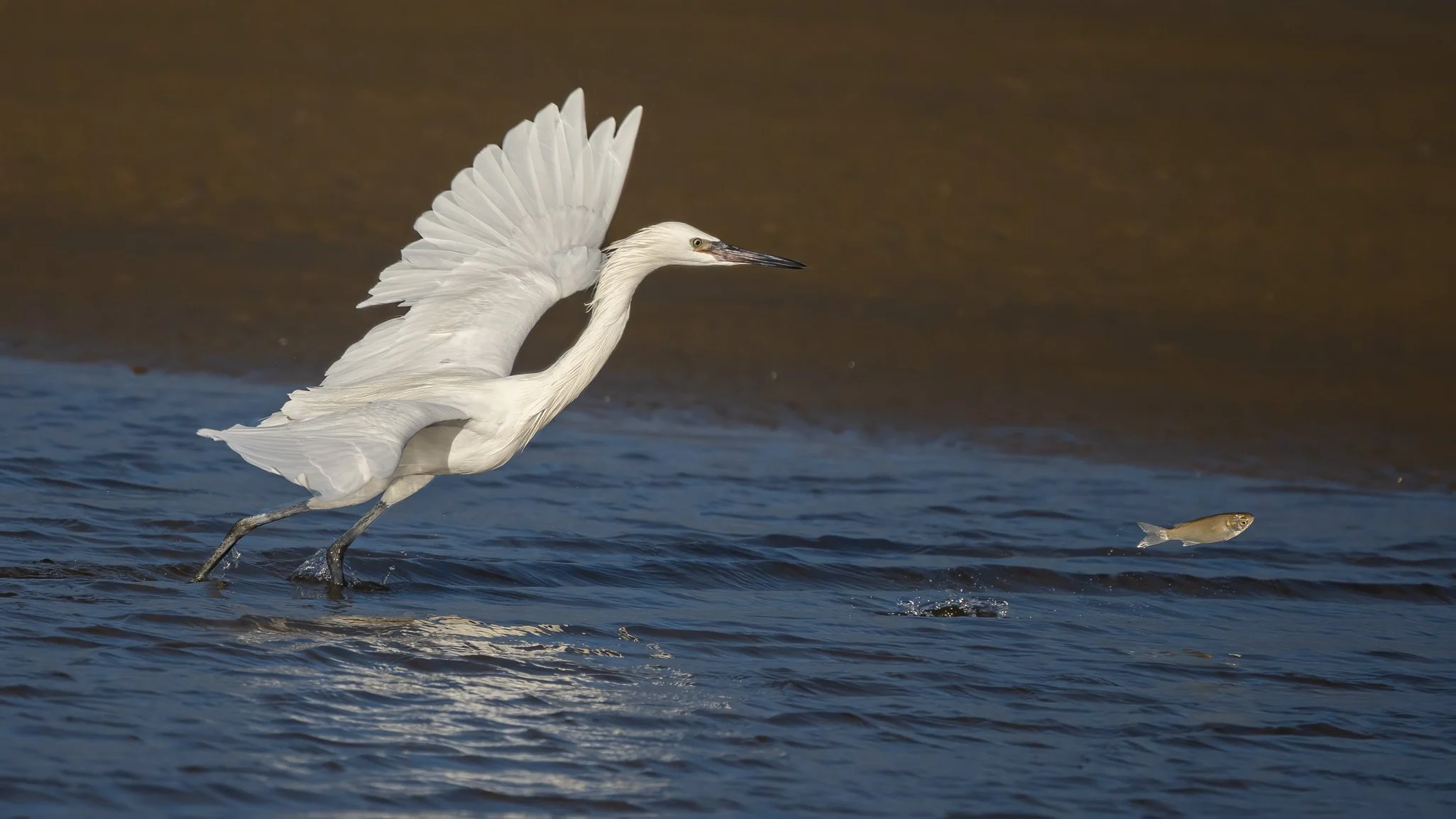
Late in the afternoon on November 10 2021 at the beach on Bolivar Flats in Texas, the combination of the rising tide and the configuration of the underlying sand created a temporary pool of water that was being actively fished by a single White Morph Reddish Egret, a Black-bellied Plover, and a couple of Willets. Later, two Marbled Godwits joined the crowd. I was able to get to the west of the pool without disturbing the birds and acquire many images of the ongoing activity.

White Morph Reddish Egret - Bolivar Flats, TX - November 10 2021
Photos were taken with an Olympus E-M1X camera and a 150-400mm f4.5 TC lens. Shots were taken handheld @ 400 or 500mm, 1/3200 sec, f/4.5 or 5.6 , and ISOs between 320 and 800. I was surprised by the number of shots in which the fish being chased was out of the water and in the frame. Both the bird and the fish are out of the water in several of the shots.


David Sparks

I retired in 2005 after 40 years of research and teaching at the University of Alabama in Birmingham (24 years), the University of Pennsylvania (8 years) and the Baylor College of Medicine (8 years). Photography is my retirement hobby.

Nature photography, especially bird photography, combines a number of things that I really enjoy: bird-watching, being outdoors, photography, travel, messing about with computers, and learning new skills and concepts.  I now spend much of my time engaged in these activities.

David Sibley in the preface to The Sibley Guide to Birds wrote "Birds are beautiful, in spectacular as well as subtle ways; their colors, shapes, actions, and sounds are among the most aesthetically pleasing in nature."  My goal is to acquire images that capture the beauty and uniqueness of selected species as well as images that highlight the engaging behaviors the birds exhibit. 

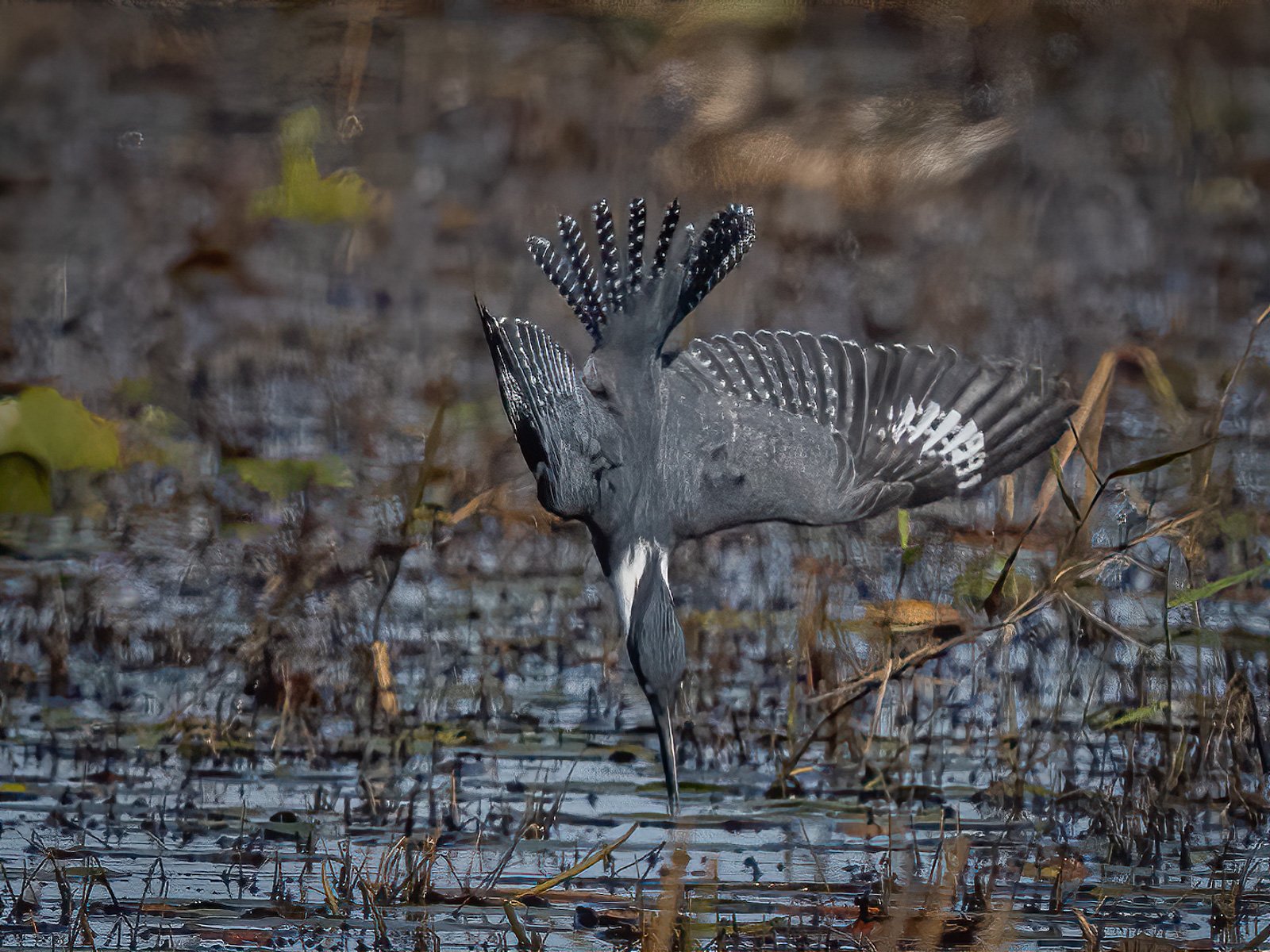
Belted Kingfisher diving

During a recent photo outing to Texas and Louisiana, I saw a lot of Kingfishers and Northern Harriers but had obtained no decent photos of either. On November 13 at the Lacassine NWR in Louisiana, I saw this Belted Kingfisher hovering over the water at a distance and was able to focus on the bird and track it to the water.


Belted Kingfisher - November 13 2021 - Lacassine NWR (LA)

The three photos were taken with an Olympus E-M1X camera and a 150-400mm f4.5 TC lens. Shots were taken handheld @ 500mm, 1/4000 sec, f/8, ISO 800 or 1000.


These images were small in the frame. I used the Enhance feature in Lightroom to create enlarged versions.


David Sparks

I retired in 2005 after 40 years of research and teaching at the University of Alabama in Birmingham (24 years), the University of Pennsylvania (8 years) and the Baylor College of Medicine (8 years). Photography is my retirement hobby.

Nature photography, especially bird photography, combines a number of things that I really enjoy: bird-watching, being outdoors, photography, travel, messing about with computers, and learning new skills and concepts.  I now spend much of my time engaged in these activities.

David Sibley in the preface to The Sibley Guide to Birds wrote "Birds are beautiful, in spectacular as well as subtle ways; their colors, shapes, actions, and sounds are among the most aesthetically pleasing in nature."  My goal is to acquire images that capture the beauty and uniqueness of selected species as well as images that highlight the engaging behaviors the birds exhibit. 

Photos showing sandpipers in flight as well as the reflections of the birds.

Photos taken from the North Jetty of the Galveston ship channel November 14, 2021. The larger birds are Dunlins and the smaller one Western Sandpipers.

Note the collision of the reflections of the two birds on the left.

Both photos were taken with an Olympus E-M1X camera and a 150-400mm f4.5 TC lens. Shots were taken handheld @ 419mm, 1/5000 sec, f/5.6, ISO 1000. Click on the image to see a slightly larger view.


Especially in the early days of my bird photography adventures, the monthly programs of the Francis M. Weston Audubon Society in Pensacola FL, their monthly publication (Skimmer), and the information on their web pages greatly facilitated my ability to locate and identify the birds I photographed. The barcharts in Bob and Lucy Duncan’s “The Birds of Escambia, Santa Rosa and Okaloosa Counties, Florida” explained why the birds were not where I expected them to be and when they were likely to return. I am especially grateful to Lucy and Bob for their help over the years with difficult (for me) identifications.


David Sparks

I retired in 2005 after 40 years of research and teaching at the University of Alabama in Birmingham (24 years), the University of Pennsylvania (8 years) and the Baylor College of Medicine (8 years). Photography is my retirement hobby.

Nature photography, especially bird photography, combines a number of things that I really enjoy: bird-watching, being outdoors, photography, travel, messing about with computers, and learning new skills and concepts.  I now spend much of my time engaged in these activities.

David Sibley in the preface to The Sibley Guide to Birds wrote "Birds are beautiful, in spectacular as well as subtle ways; their colors, shapes, actions, and sounds are among the most aesthetically pleasing in nature."  My goal is to acquire images that capture the beauty and uniqueness of selected species as well as images that highlight the engaging behaviors the birds exhibit. 

Black-bellied Whistling Ducks landing sequence

Photos taken November 12 2021 at the Lacassine National Wildlife Refuge in Louisiana. The refuge is part of a complex created to support, protect, and provide winter habitat for migratory waterfowl. It seemed to have received little damage from the series of hurricanes that made landfall in LA during the last hurricane season. As the name implies, the birds generate a clear whistling call.


Black-bellied Whistling Ducks - Lacassine National Wildlife Refuge (LA) - November 12 2021

The 4 photos were taken with an Olympus E-M1X camera and a 150-400mm f4.5 TC lens The built-in 1.4x tc was activated and shots were taken handheld @ 500mm, 1/3200 sec, f/5.6, ISO 1600. Click on the image to see a slightly larger view.


Black-bellied Whistling Ducks - Lacassine National Wildlife Refuge (LA) - November 12 2021


Black-bellied Whistling Ducks - Lacassine National Wildlife Refuge (LA) - November 12 2021


Black-bellied Whistling Ducks - Lacassine National Wildlife Refuge (LA) - November 12 2021

David Sparks

I retired in 2005 after 40 years of research and teaching at the University of Alabama in Birmingham (24 years), the University of Pennsylvania (8 years) and the Baylor College of Medicine (8 years). Photography is my retirement hobby.

Nature photography, especially bird photography, combines a number of things that I really enjoy: bird-watching, being outdoors, photography, travel, messing about with computers, and learning new skills and concepts.  I now spend much of my time engaged in these activities.

David Sibley in the preface to The Sibley Guide to Birds wrote "Birds are beautiful, in spectacular as well as subtle ways; their colors, shapes, actions, and sounds are among the most aesthetically pleasing in nature."  My goal is to acquire images that capture the beauty and uniqueness of selected species as well as images that highlight the engaging behaviors the birds exhibit. 

Pictorial Definition — Coming up empty

Foster’s Tern Diving Sequence - November 12, 2019 - Bolivar Peninsula, Texas

Olympus E-M1X camera with 300mm f/4 lens and 1.4x teleconverter.
1/2000 sec at f/5.6, ISO 800 or 1000
(Slightly larger versions of the images can be viewed by clicking on the image.)


David Sparks

I retired in 2005 after 40 years of research and teaching at the University of Alabama in Birmingham (24 years), the University of Pennsylvania (8 years) and the Baylor College of Medicine (8 years). Photography is my retirement hobby.

Nature photography, especially bird photography, combines a number of things that I really enjoy: bird-watching, being outdoors, photography, travel, messing about with computers, and learning new skills and concepts.  I now spend much of my time engaged in these activities.

David Sibley in the preface to The Sibley Guide to Birds wrote "Birds are beautiful, in spectacular as well as subtle ways; their colors, shapes, actions, and sounds are among the most aesthetically pleasing in nature."  My goal is to acquire images that capture the beauty and uniqueness of selected species as well as images that highlight the engaging behaviors the birds exhibit. 

Sailing from Anacortes WA to San Francisco CA in 2006

In 2006 I helped my friends Ken Britten and Sandra Aamodt sail their new (for them) ketch, Aquila, from Anacortes WA to San Francisco CA. The web page I made in 2006 describing highlights of the trip has been converted into this blog entry. A photo of Aquila is shown below.

Details of the vessel can be viewed here.


OverviewModified copy.jpg


Ruminations about how to employ Minard’s innovative use of spatial information in developing a graphical description of our voyage eventually led to the figure shown below,


NeahToSF copy.jpg

Ken and Sanra sailed Aquila to New Zealand and back. I was looking forward to joining them on part of their voyage, but circumstances did not allow me to do so.

The original, more complete, description of the Anacortes to San Francisco trip is still on the web. Link.

David Sparks

I retired in 2005 after 40 years of research and teaching at the University of Alabama in Birmingham (24 years), the University of Pennsylvania (8 years) and the Baylor College of Medicine (8 years). Photography is my retirement hobby.

Nature photography, especially bird photography, combines a number of things that I really enjoy: bird-watching, being outdoors, photography, travel, messing about with computers, and learning new skills and concepts.  I now spend much of my time engaged in these activities.

David Sibley in the preface to The Sibley Guide to Birds wrote "Birds are beautiful, in spectacular as well as subtle ways; their colors, shapes, actions, and sounds are among the most aesthetically pleasing in nature."  My goal is to acquire images that capture the beauty and uniqueness of selected species as well as images that highlight the engaging behaviors the birds exhibit.