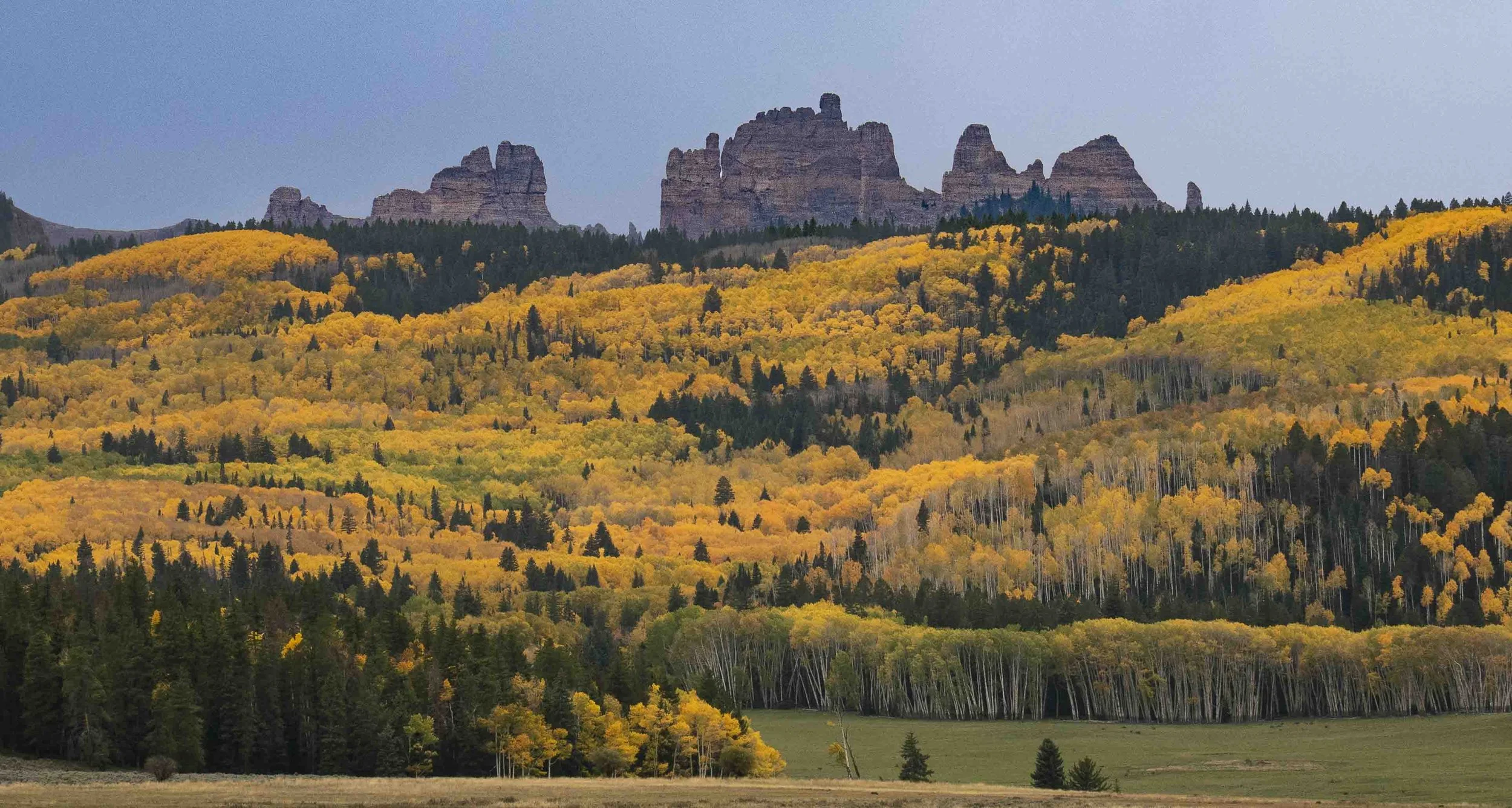
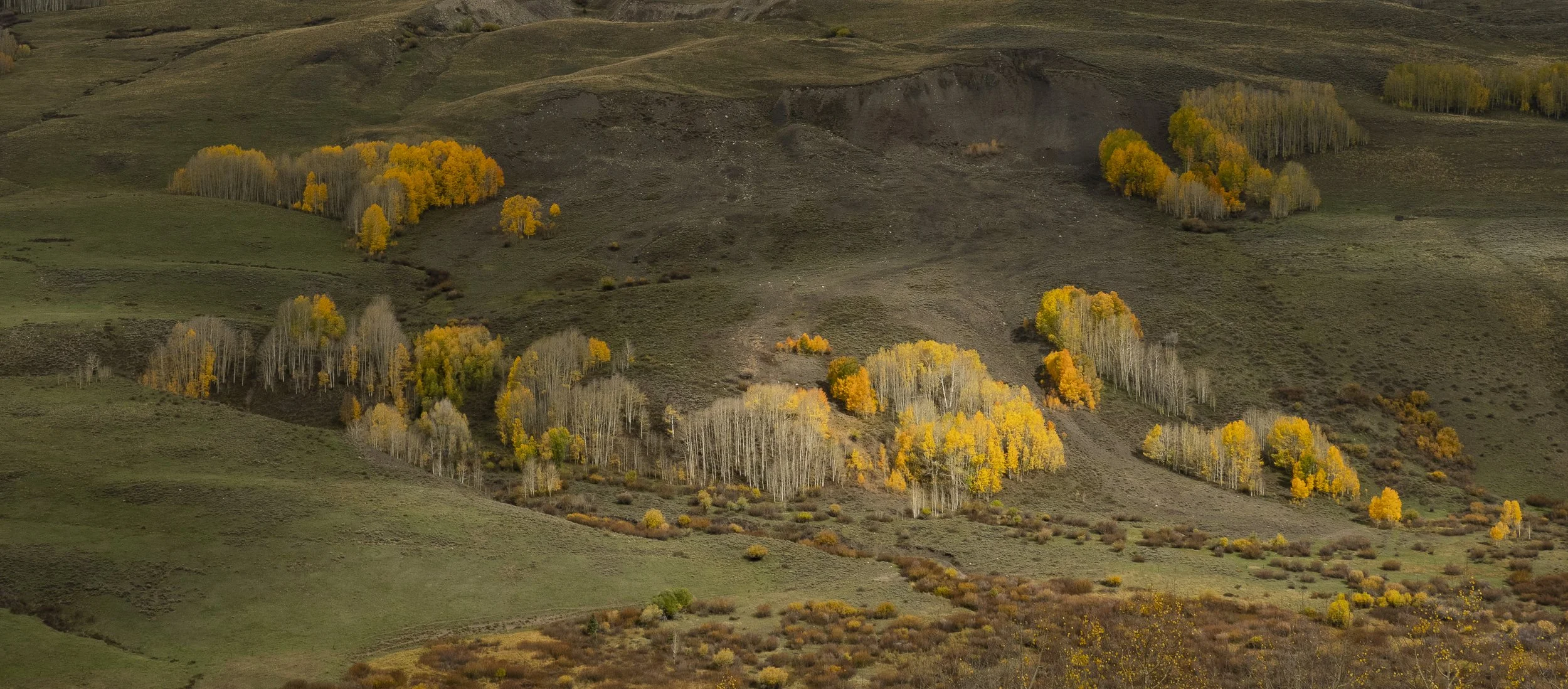
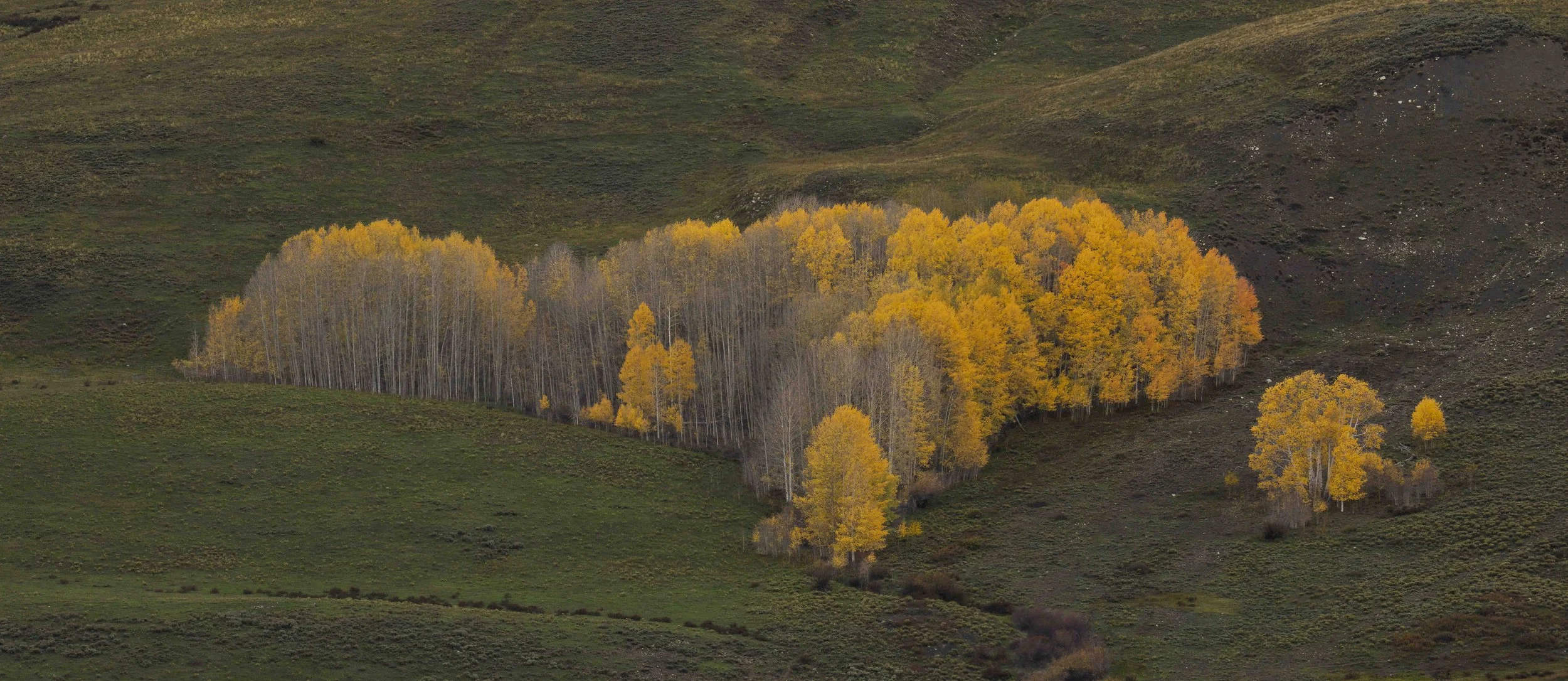
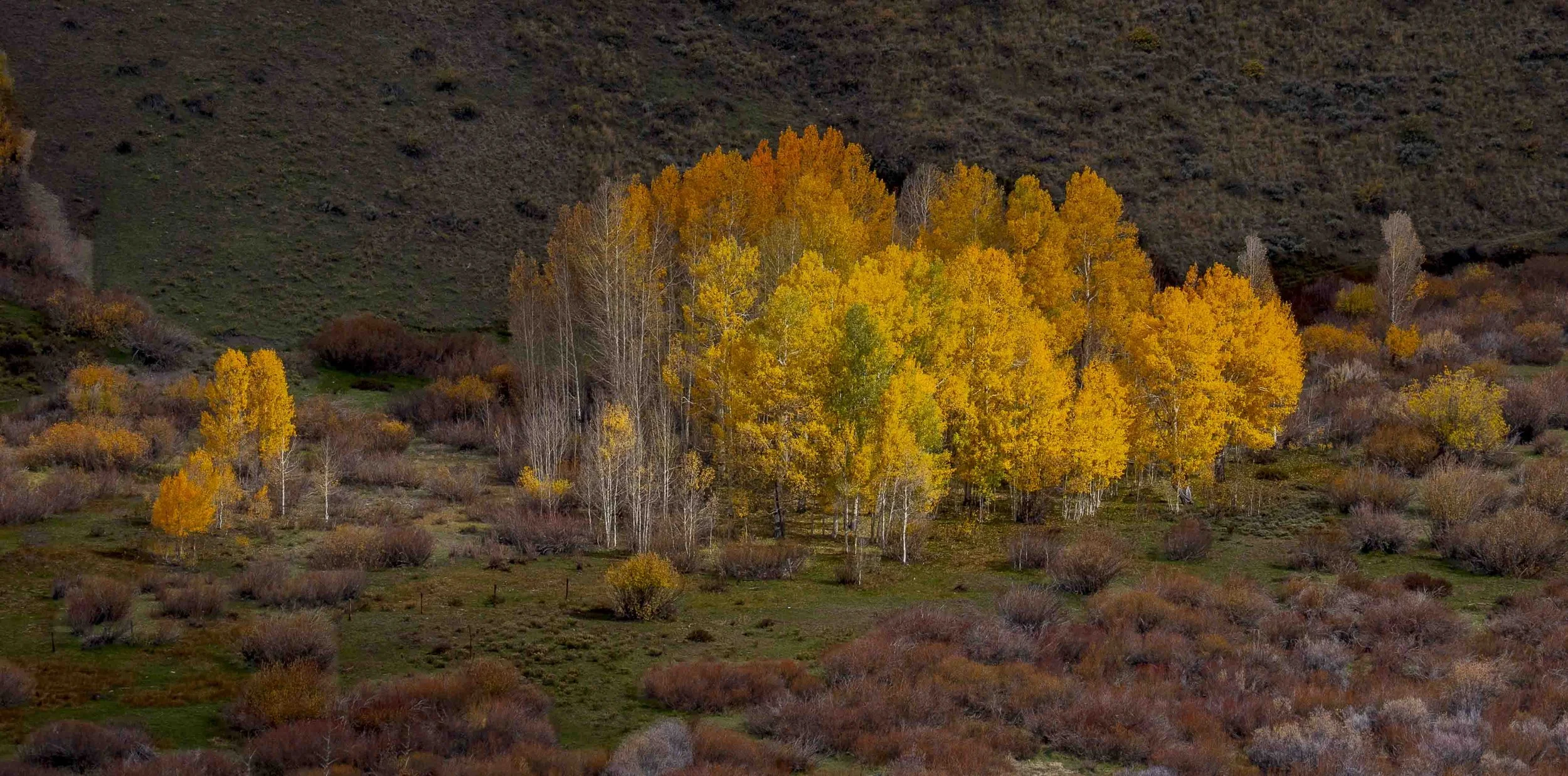
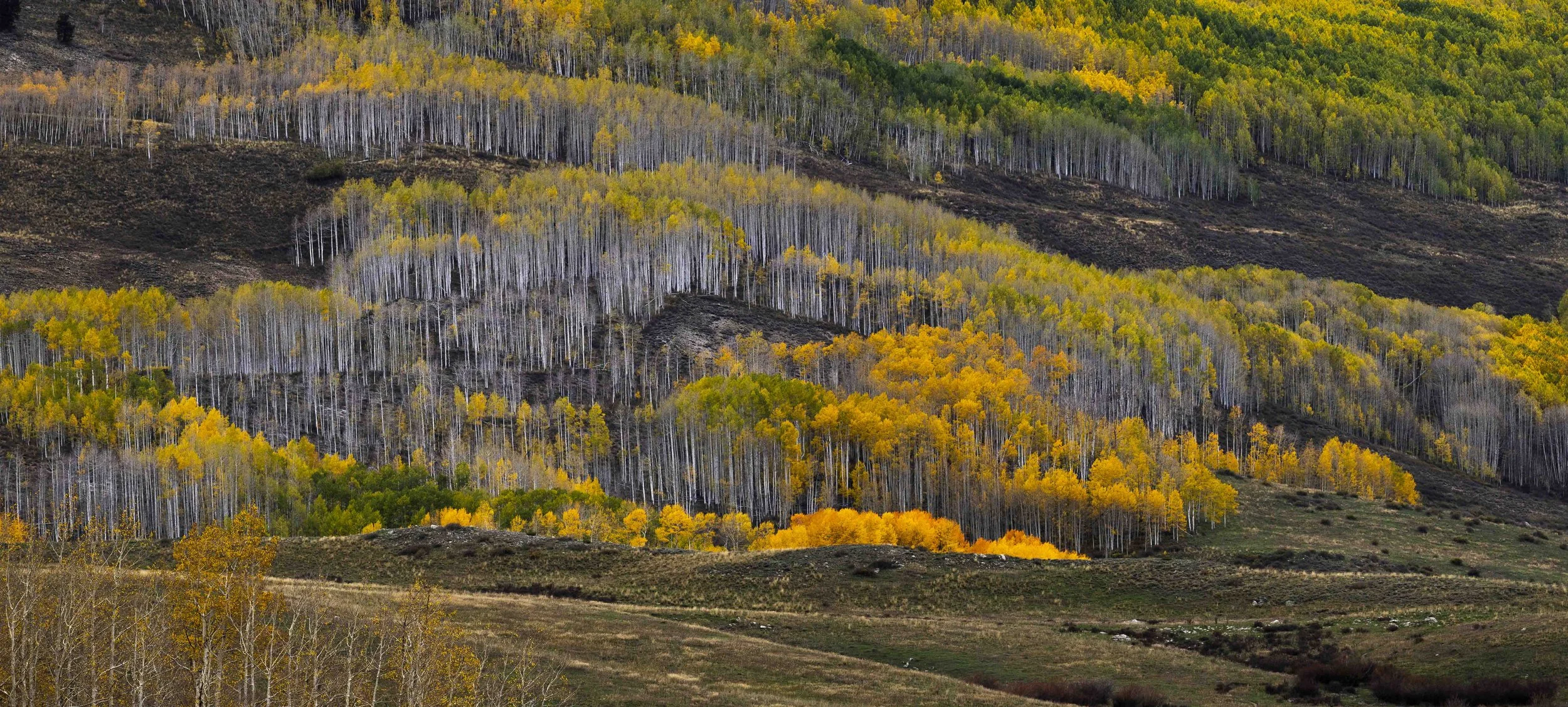
More photos of the 2026 CO Fall Colors


A reminder of how things were a few decades ago


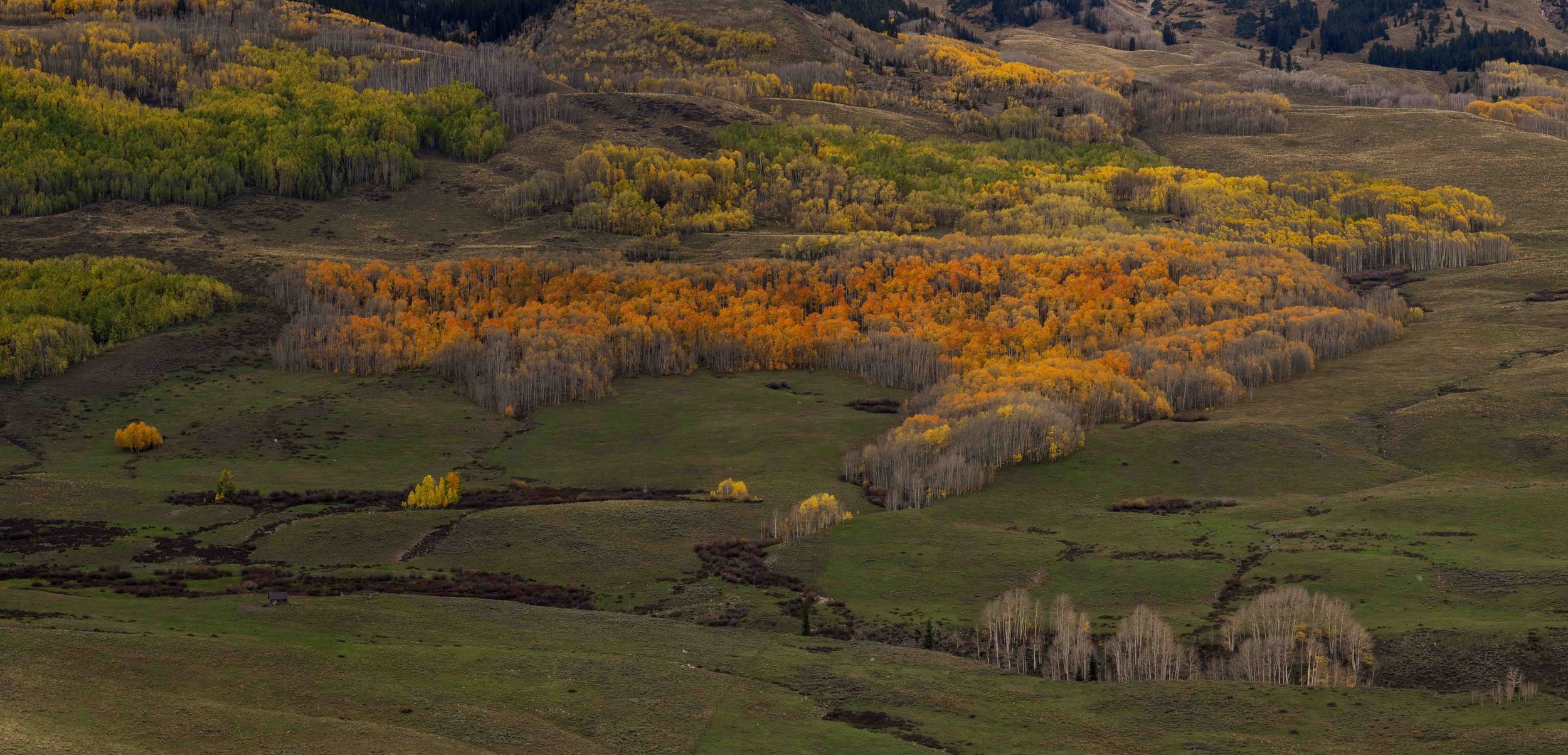
Aspen patches change color at different times because each patch—known as a clone—is a distinct genetically identical organism with its own internal clock and response to local environmental conditions (Forest Service U.S. Department of Agriculture).

David Sparks

I retired in 2005 after 40 years of research and teaching at the University of Alabama in Birmingham (24 years), the University of Pennsylvania (8 years) and the Baylor College of Medicine (8 years). Photography is my retirement hobby.

Nature photography, especially bird photography, combines a number of things that I really enjoy: bird-watching, being outdoors, photography, travel, messing about with computers, and learning new skills and concepts.  I now spend much of my time engaged in these activities.

David Sibley in the preface to The Sibley Guide to Birds wrote "Birds are beautiful, in spectacular as well as subtle ways; their colors, shapes, actions, and sounds are among the most aesthetically pleasing in nature."  My goal is to acquire images that capture the beauty and uniqueness of selected species as well as images that highlight the engaging behaviors the birds exhibit. 

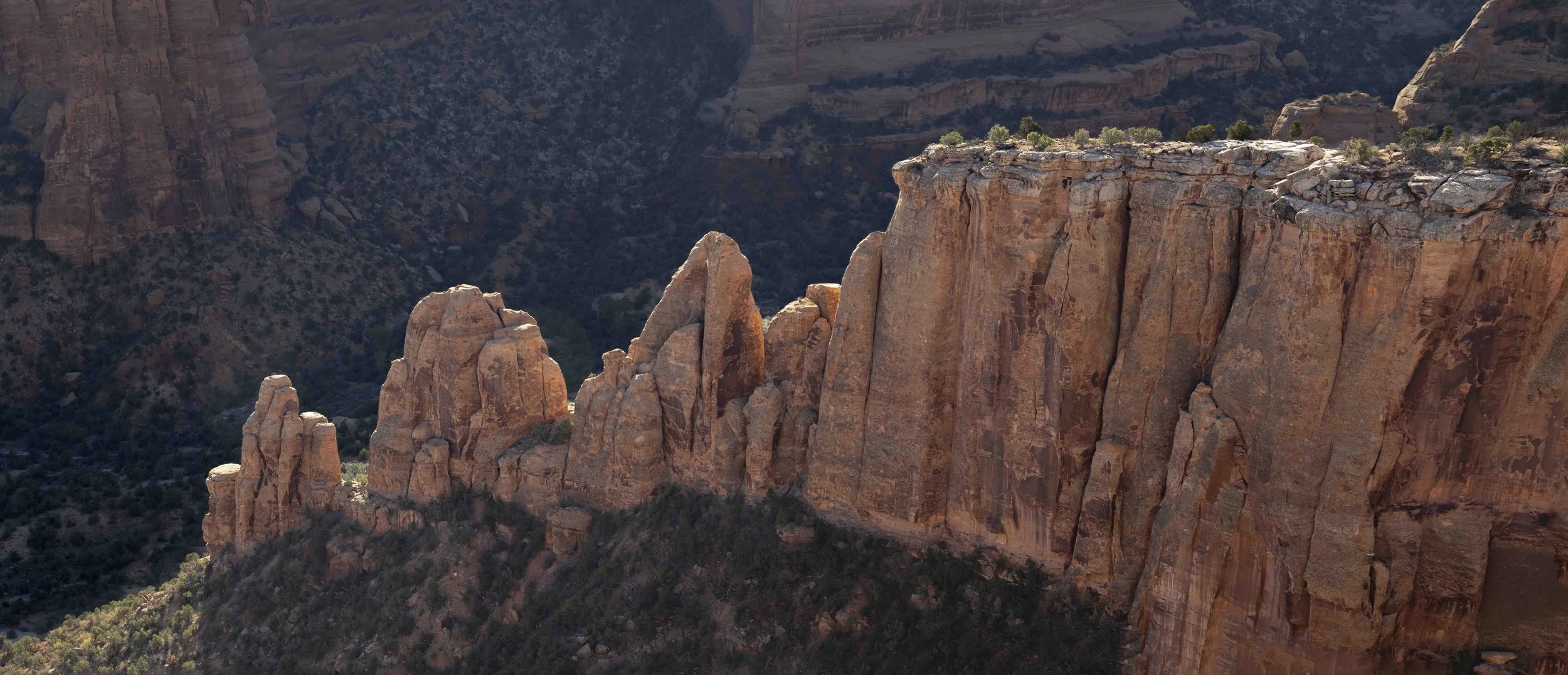
Sandstone cliffs in the Colorado National Monument near Grand Junction, CO

Three photos of sandstone cliffs in the Colorado National Monument near Grand Junction, CO


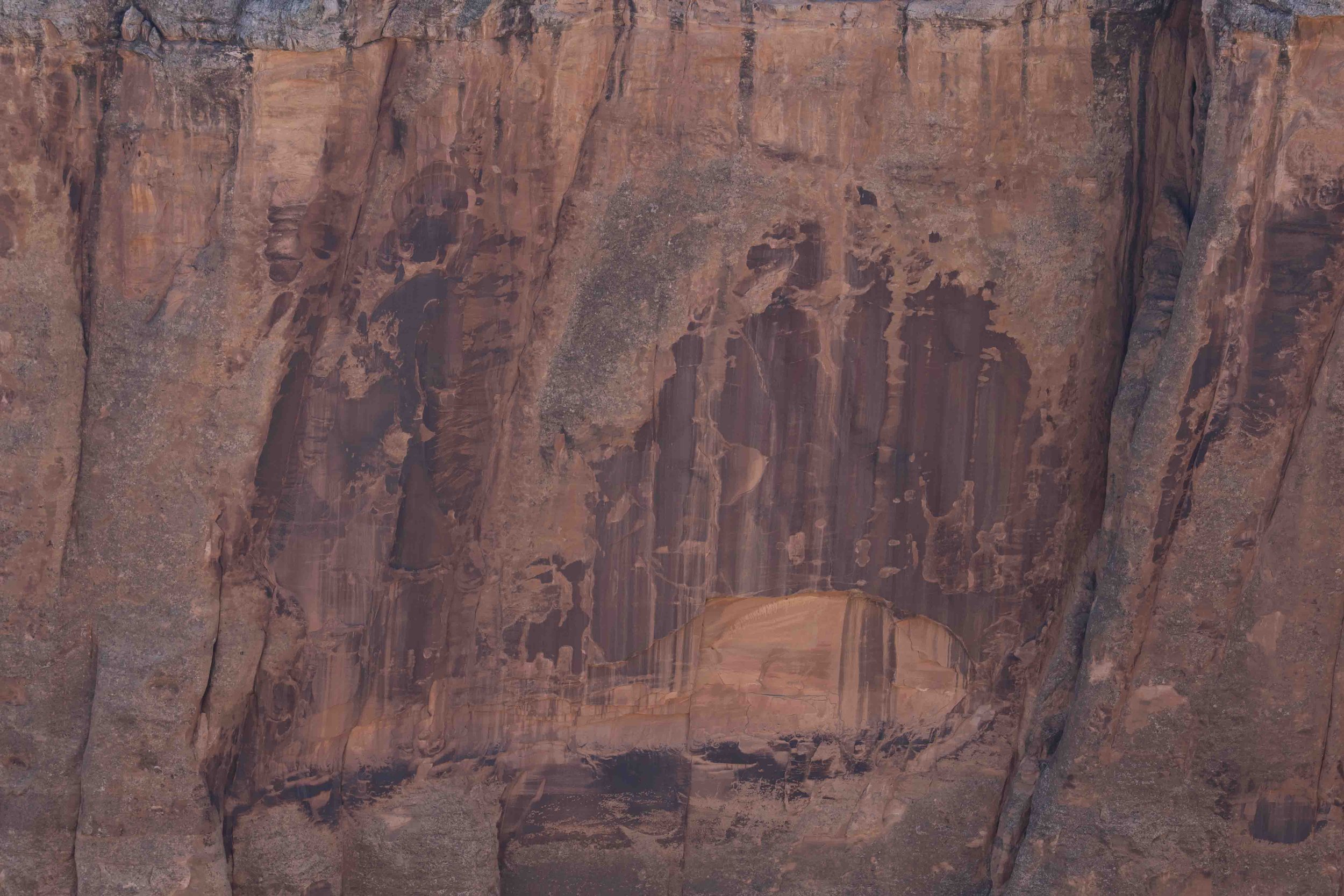
Sandstone cliffs in the Colorado National Monument near Grand Junction, CO. I learned from Google AI that the dark streaks and spots on the sandstone cliffs are a geological phenomenon known as desert varnish.  The varnish is primarily composed of microscopic layers of clay minerals mixed with manganese and iron oxides.


Desert varnish builds up incredibly slowly—often taking thousands of years to produce a distinct dark coating. AI noticed the bright, orange-tan patch near the bottom of this image and told me that this highlights a spot where a section of the rock recently broke away, exposing the fresh sandstone beneath before the varnish has had time to rebuild.

David Sparks

I retired in 2005 after 40 years of research and teaching at the University of Alabama in Birmingham (24 years), the University of Pennsylvania (8 years) and the Baylor College of Medicine (8 years). Photography is my retirement hobby.

Nature photography, especially bird photography, combines a number of things that I really enjoy: bird-watching, being outdoors, photography, travel, messing about with computers, and learning new skills and concepts.  I now spend much of my time engaged in these activities.

David Sibley in the preface to The Sibley Guide to Birds wrote "Birds are beautiful, in spectacular as well as subtle ways; their colors, shapes, actions, and sounds are among the most aesthetically pleasing in nature."  My goal is to acquire images that capture the beauty and uniqueness of selected species as well as images that highlight the engaging behaviors the birds exhibit. 

2026 Colorado Fall Colors v2

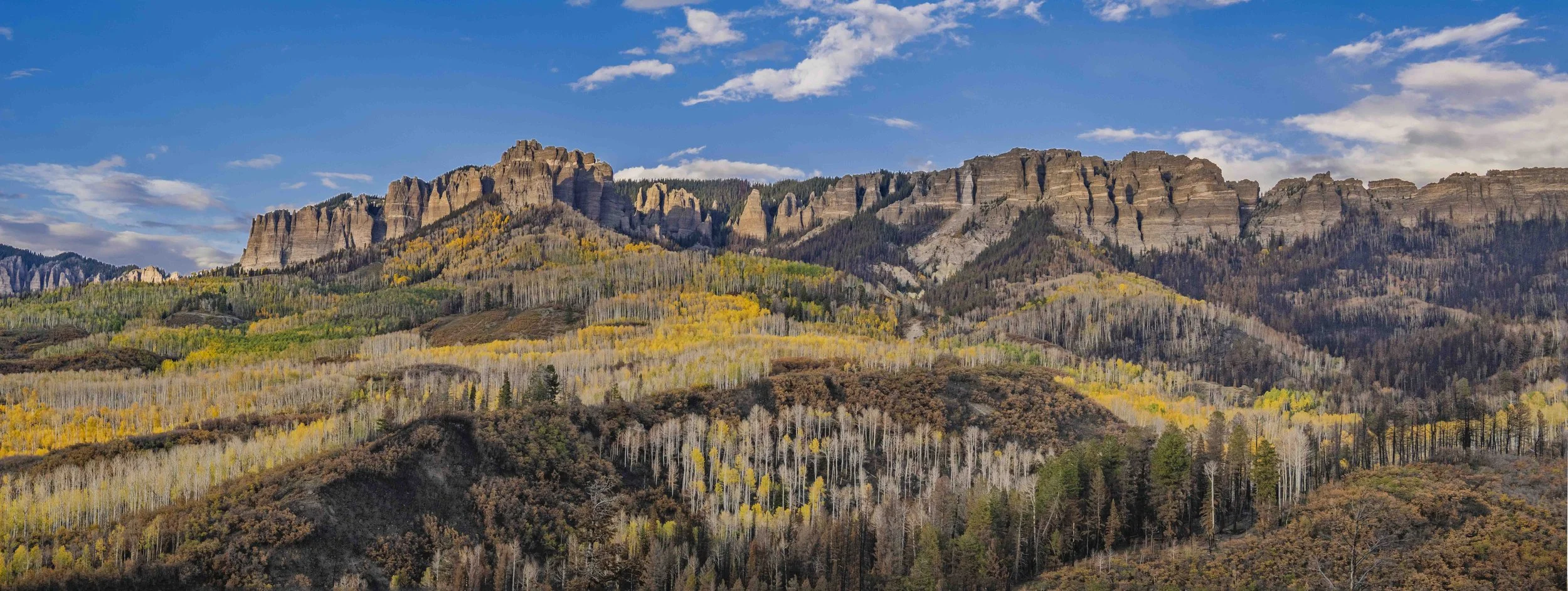
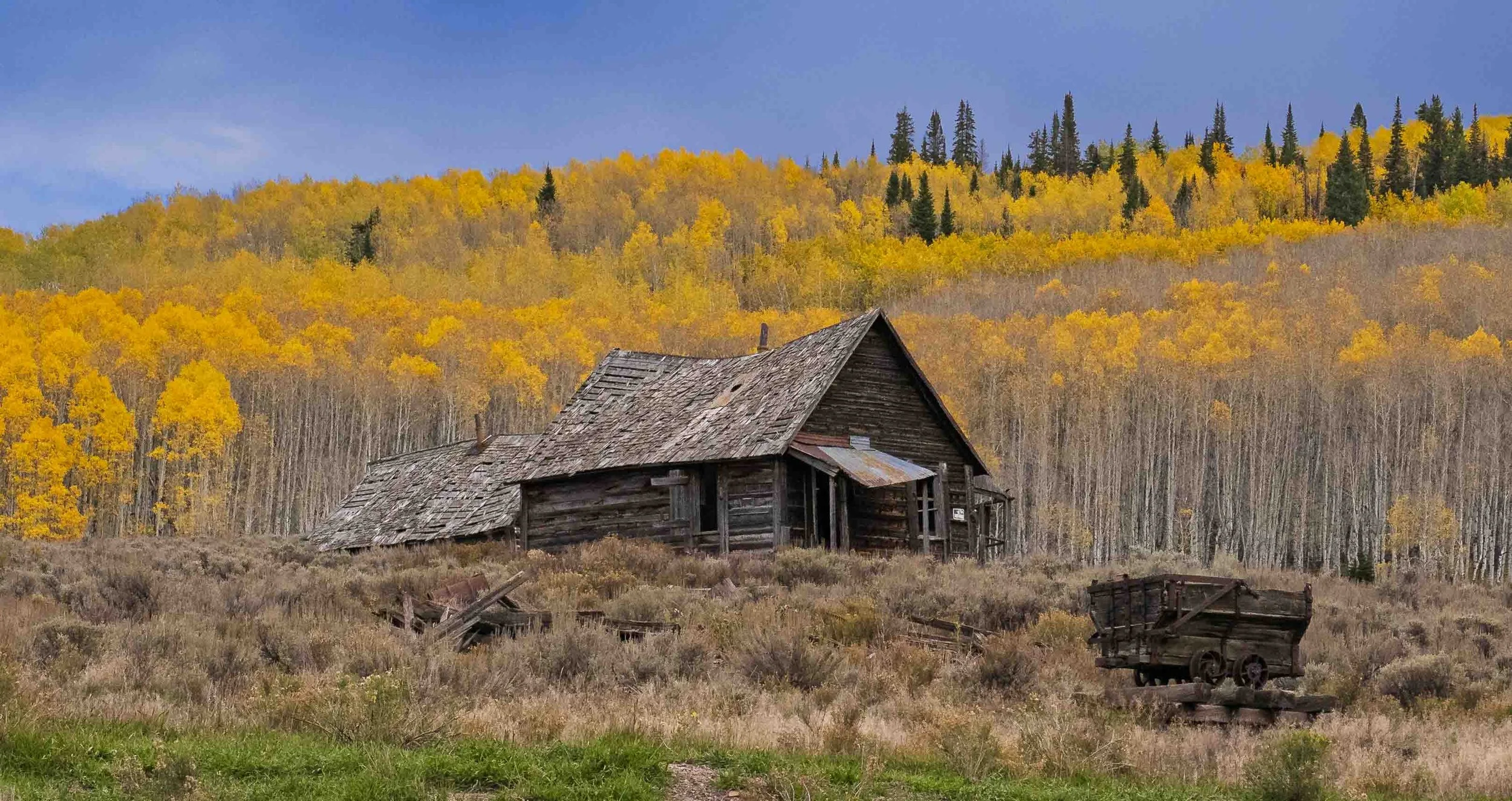
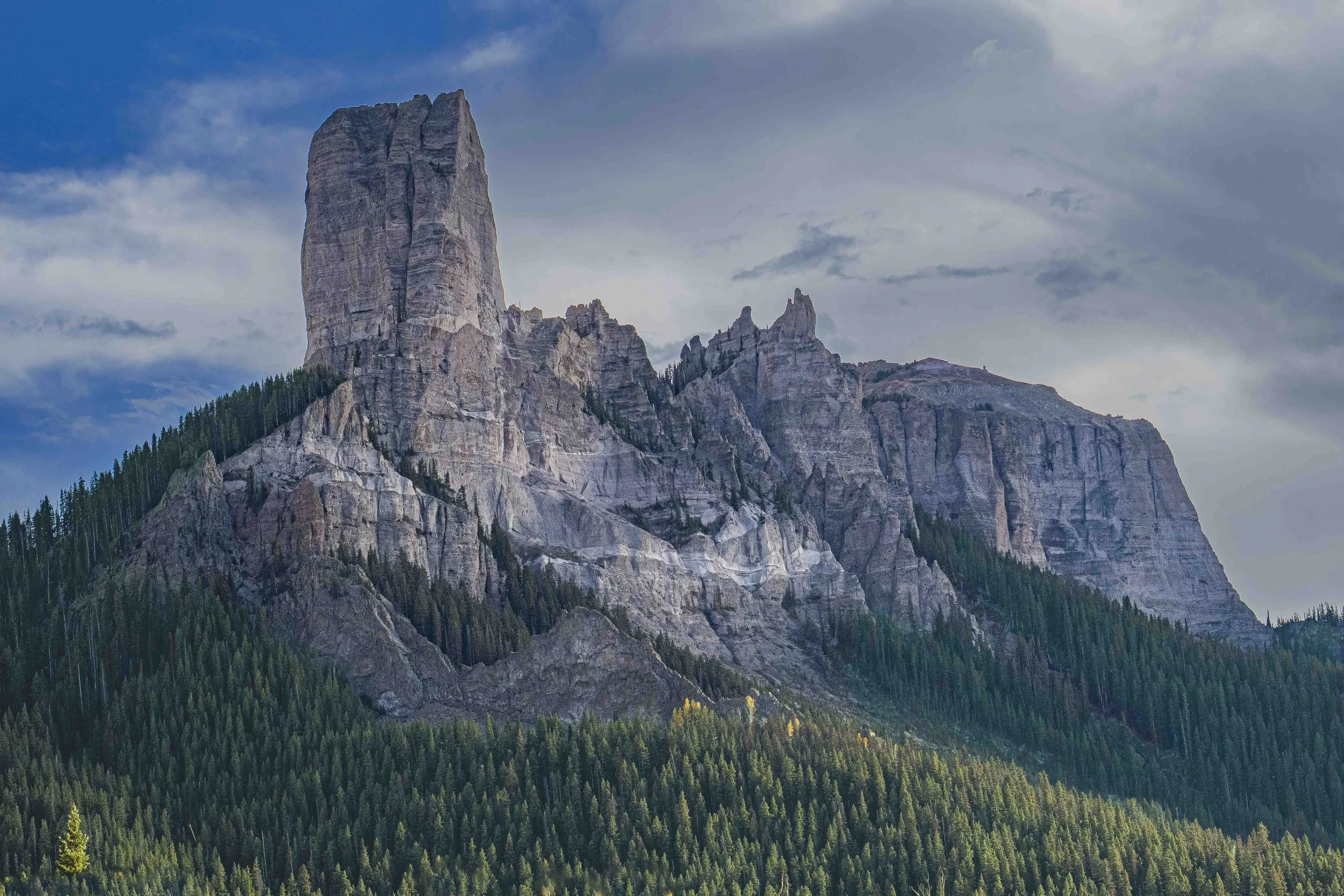
          Three additional photos taken in October 2026 in the Gunnison/Crested Butte/Norwood areas of Colorado. The first photo features Chimney Rock (the prominent vertical tower on the left) and Courthouse Mountain, located in the Cimarron Mountains sub-range of the San Juan Mountains in southwestern Colorado.

     The photo was taken from Owl Creek Pass Road Ouray (County Road 10 / Forest Service Road 858), situated roughly 10.5 miles east of the town of Ridgway. This area is inside the Uncompahgre Wilderness and served as the cinematic backdrop for the 1969 Western film True Grit starring John Wayne.

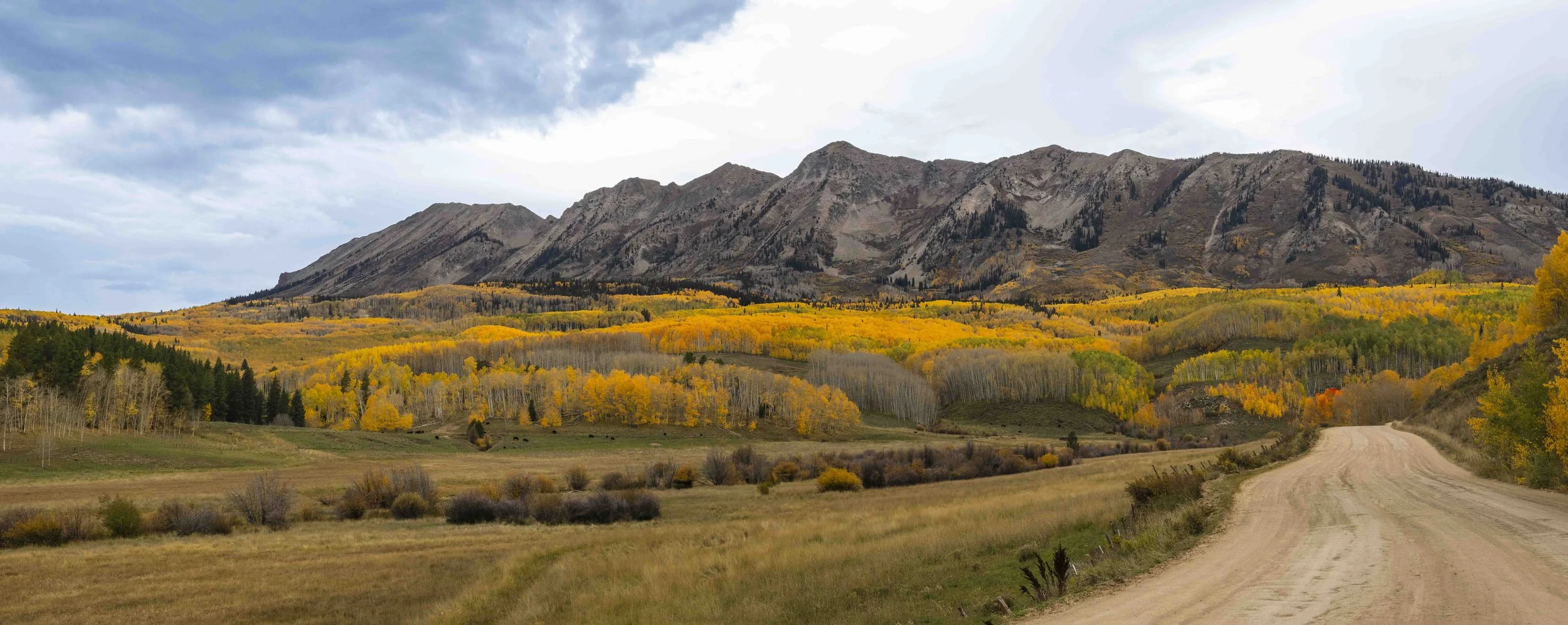
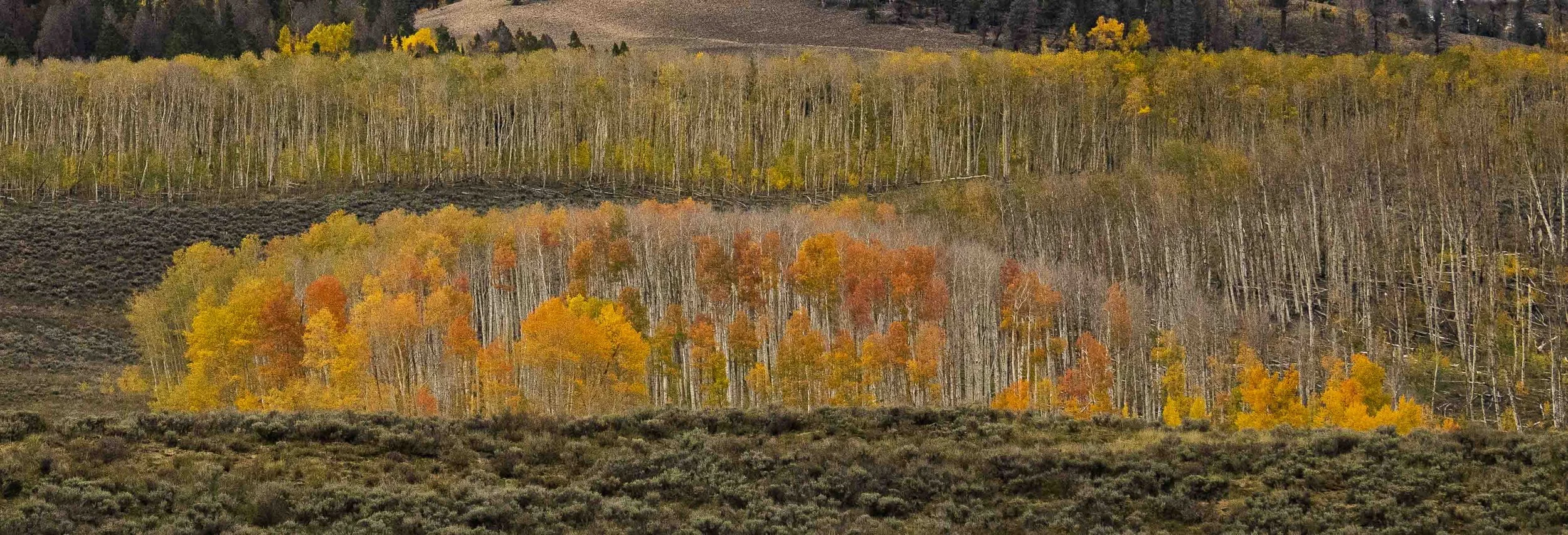
The second image is a panorama of Cimarron Ridge near Owl Creek Pass, Ridgway CO.

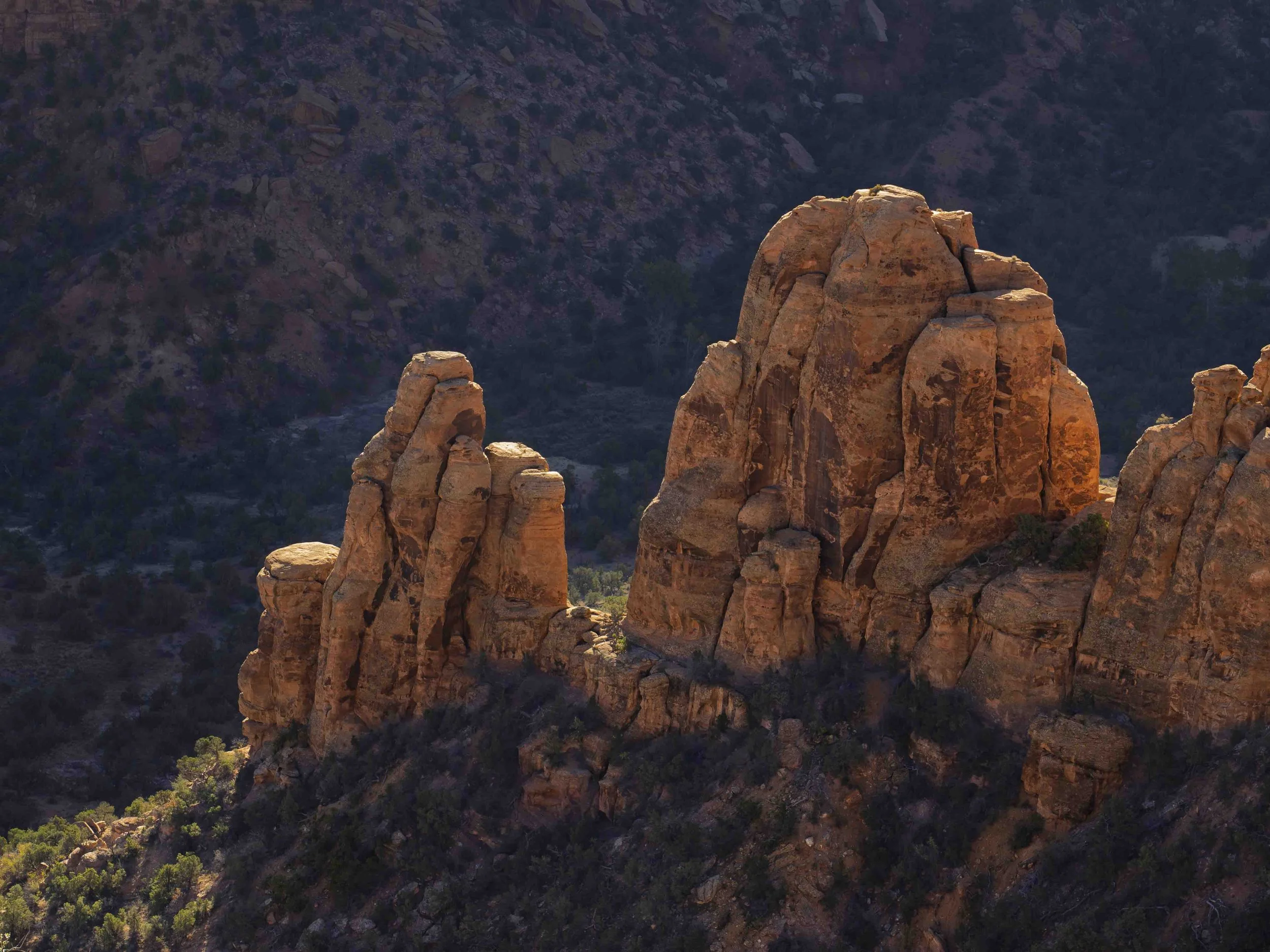
The third entry is a photo of a cluster of aspen trees near Crested Butte in the Gunnison National Forest area.
David Sparks

I retired in 2005 after 40 years of research and teaching at the University of Alabama in Birmingham (24 years), the University of Pennsylvania (8 years) and the Baylor College of Medicine (8 years). Photography is my retirement hobby.

Nature photography, especially bird photography, combines a number of things that I really enjoy: bird-watching, being outdoors, photography, travel, messing about with computers, and learning new skills and concepts.  I now spend much of my time engaged in these activities.

David Sibley in the preface to The Sibley Guide to Birds wrote "Birds are beautiful, in spectacular as well as subtle ways; their colors, shapes, actions, and sounds are among the most aesthetically pleasing in nature."  My goal is to acquire images that capture the beauty and uniqueness of selected species as well as images that highlight the engaging behaviors the birds exhibit. 

2026 Colorado Fall Colors

The six photos presented below were taken between 10/05 and 10/10/2026 in the Gunnison/Crested Butte/Norwood areas of Colorado. They were selected to contrast the massive, sprawling aspen groves with the smaller pockets of aspen trees visible in these areas.

The first photo was taken along the Ohio Pass Road (Gunnison County Road 730), just south of its intersection with Kebler Pass Road (County Road 12) near Crested Butte. The second one shows the Castles, the volcanic rock formation located in the West Elk Wilderness of the Gunnison National Forest, Colorado. All the other photos were taken along Gothic Road near Crested Butte.


asdf


David Sparks

I retired in 2005 after 40 years of research and teaching at the University of Alabama in Birmingham (24 years), the University of Pennsylvania (8 years) and the Baylor College of Medicine (8 years). Photography is my retirement hobby.

Nature photography, especially bird photography, combines a number of things that I really enjoy: bird-watching, being outdoors, photography, travel, messing about with computers, and learning new skills and concepts.  I now spend much of my time engaged in these activities.

David Sibley in the preface to The Sibley Guide to Birds wrote "Birds are beautiful, in spectacular as well as subtle ways; their colors, shapes, actions, and sounds are among the most aesthetically pleasing in nature."  My goal is to acquire images that capture the beauty and uniqueness of selected species as well as images that highlight the engaging behaviors the birds exhibit. 

Butterflies photographed at the Butterfly Pavilion in Westminster CO.

Photos taken in June 2026 using an OM-1 Camera and OM 50-200 F2.8 lens at 200mm, handheld. These are high ISO shots because the light levels were low and significant noise reduction and sharpening were applied using LR Classic.

Tentative identifications of the butterflies were obtained using Google Lens software.

Clipper Butterfly

Green Peacock Swallowtail

Rice Paper Butterfly

Small Postman Butterfly

David Sparks

I retired in 2005 after 40 years of research and teaching at the University of Alabama in Birmingham (24 years), the University of Pennsylvania (8 years) and the Baylor College of Medicine (8 years). Photography is my retirement hobby.

Nature photography, especially bird photography, combines a number of things that I really enjoy: bird-watching, being outdoors, photography, travel, messing about with computers, and learning new skills and concepts.  I now spend much of my time engaged in these activities.

David Sibley in the preface to The Sibley Guide to Birds wrote "Birds are beautiful, in spectacular as well as subtle ways; their colors, shapes, actions, and sounds are among the most aesthetically pleasing in nature."  My goal is to acquire images that capture the beauty and uniqueness of selected species as well as images that highlight the engaging behaviors the birds exhibit. 

Poses of a Great Blue Heron

Six photos of a Great Blue Heron taken at a mudflat on South Padre Island on January 6, 2026 with my Olympus OM-1 camera and a 150-400 f/4.5 TC lens.


David Sparks

I retired in 2005 after 40 years of research and teaching at the University of Alabama in Birmingham (24 years), the University of Pennsylvania (8 years) and the Baylor College of Medicine (8 years). Photography is my retirement hobby.

Nature photography, especially bird photography, combines a number of things that I really enjoy: bird-watching, being outdoors, photography, travel, messing about with computers, and learning new skills and concepts.  I now spend much of my time engaged in these activities.

David Sibley in the preface to The Sibley Guide to Birds wrote "Birds are beautiful, in spectacular as well as subtle ways; their colors, shapes, actions, and sounds are among the most aesthetically pleasing in nature."  My goal is to acquire images that capture the beauty and uniqueness of selected species as well as images that highlight the engaging behaviors the birds exhibit. 

Scene on Blackpoint Wildlife Drive

Composite panorama image of a scene on the Blackpoint Wildlife Drive at Merritt Island NWR in Florida yesterday morning.


David Sparks

I retired in 2005 after 40 years of research and teaching at the University of Alabama in Birmingham (24 years), the University of Pennsylvania (8 years) and the Baylor College of Medicine (8 years). Photography is my retirement hobby.

Nature photography, especially bird photography, combines a number of things that I really enjoy: bird-watching, being outdoors, photography, travel, messing about with computers, and learning new skills and concepts.  I now spend much of my time engaged in these activities.

David Sibley in the preface to The Sibley Guide to Birds wrote "Birds are beautiful, in spectacular as well as subtle ways; their colors, shapes, actions, and sounds are among the most aesthetically pleasing in nature."  My goal is to acquire images that capture the beauty and uniqueness of selected species as well as images that highlight the engaging behaviors the birds exhibit. 

Reddish Egret's answer to a question.

In an email exchange, my daughter-in-law asked how my trip was going. My response was that I was going to let a Reddish Egret answer her question. The photos are of the bird in low light, very low tides, and strong wind - the weather on most of the days I had been at South Padre Island in south Texas. Better conditions were forecast for the next day.


David Sparks

I retired in 2005 after 40 years of research and teaching at the University of Alabama in Birmingham (24 years), the University of Pennsylvania (8 years) and the Baylor College of Medicine (8 years). Photography is my retirement hobby.

Nature photography, especially bird photography, combines a number of things that I really enjoy: bird-watching, being outdoors, photography, travel, messing about with computers, and learning new skills and concepts.  I now spend much of my time engaged in these activities.

David Sibley in the preface to The Sibley Guide to Birds wrote "Birds are beautiful, in spectacular as well as subtle ways; their colors, shapes, actions, and sounds are among the most aesthetically pleasing in nature."  My goal is to acquire images that capture the beauty and uniqueness of selected species as well as images that highlight the engaging behaviors the birds exhibit. 

Photo of a Common Pauraque taken the Estero Llano Grande State Park in Texas.

Photo of a Common Pauraque taken at the Estero Llano Grande State Park in Texas.

Two quotes taken from the All About Birds website.

"The Common Pauraque’s subtle brown, black, and gray plumage provides such excellent camouflage that it might as well be invisible in its daytime sleeping spots on open ground."

"Widespread in the Neotropics, the Common Pauraque ventures into the U.S. just at the southernmost tip of Texas."


David Sparks

I retired in 2005 after 40 years of research and teaching at the University of Alabama in Birmingham (24 years), the University of Pennsylvania (8 years) and the Baylor College of Medicine (8 years). Photography is my retirement hobby.

Nature photography, especially bird photography, combines a number of things that I really enjoy: bird-watching, being outdoors, photography, travel, messing about with computers, and learning new skills and concepts.  I now spend much of my time engaged in these activities.

David Sibley in the preface to The Sibley Guide to Birds wrote "Birds are beautiful, in spectacular as well as subtle ways; their colors, shapes, actions, and sounds are among the most aesthetically pleasing in nature."  My goal is to acquire images that capture the beauty and uniqueness of selected species as well as images that highlight the engaging behaviors the birds exhibit. 

A few photos from Sadie (granddaughter) and Tom's wedding

held in Granby, CO on October 19, 2025

David Sparks

I retired in 2005 after 40 years of research and teaching at the University of Alabama in Birmingham (24 years), the University of Pennsylvania (8 years) and the Baylor College of Medicine (8 years). Photography is my retirement hobby.

Nature photography, especially bird photography, combines a number of things that I really enjoy: bird-watching, being outdoors, photography, travel, messing about with computers, and learning new skills and concepts.  I now spend much of my time engaged in these activities.

David Sibley in the preface to The Sibley Guide to Birds wrote "Birds are beautiful, in spectacular as well as subtle ways; their colors, shapes, actions, and sounds are among the most aesthetically pleasing in nature."  My goal is to acquire images that capture the beauty and uniqueness of selected species as well as images that highlight the engaging behaviors the birds exhibit. 

Southern Dogface Butterfly in flight

Photo taken at Ash Canyon Bird Sanctuary near Sierra Vista Arizona in September 2025

The term dogface stems from the black border on the forewing of the male which outlines an area resembling a “poodle” head.

David Sparks

I retired in 2005 after 40 years of research and teaching at the University of Alabama in Birmingham (24 years), the University of Pennsylvania (8 years) and the Baylor College of Medicine (8 years). Photography is my retirement hobby.

Nature photography, especially bird photography, combines a number of things that I really enjoy: bird-watching, being outdoors, photography, travel, messing about with computers, and learning new skills and concepts.  I now spend much of my time engaged in these activities.

David Sibley in the preface to The Sibley Guide to Birds wrote "Birds are beautiful, in spectacular as well as subtle ways; their colors, shapes, actions, and sounds are among the most aesthetically pleasing in nature."  My goal is to acquire images that capture the beauty and uniqueness of selected species as well as images that highlight the engaging behaviors the birds exhibit. 

Photos of hummingbirds acquired in September 2025 from areas near Sierra Vista or Patagonia Arizona.

David Sparks

I retired in 2005 after 40 years of research and teaching at the University of Alabama in Birmingham (24 years), the University of Pennsylvania (8 years) and the Baylor College of Medicine (8 years). Photography is my retirement hobby.

Nature photography, especially bird photography, combines a number of things that I really enjoy: bird-watching, being outdoors, photography, travel, messing about with computers, and learning new skills and concepts.  I now spend much of my time engaged in these activities.

David Sibley in the preface to The Sibley Guide to Birds wrote "Birds are beautiful, in spectacular as well as subtle ways; their colors, shapes, actions, and sounds are among the most aesthetically pleasing in nature."  My goal is to acquire images that capture the beauty and uniqueness of selected species as well as images that highlight the engaging behaviors the birds exhibit. 

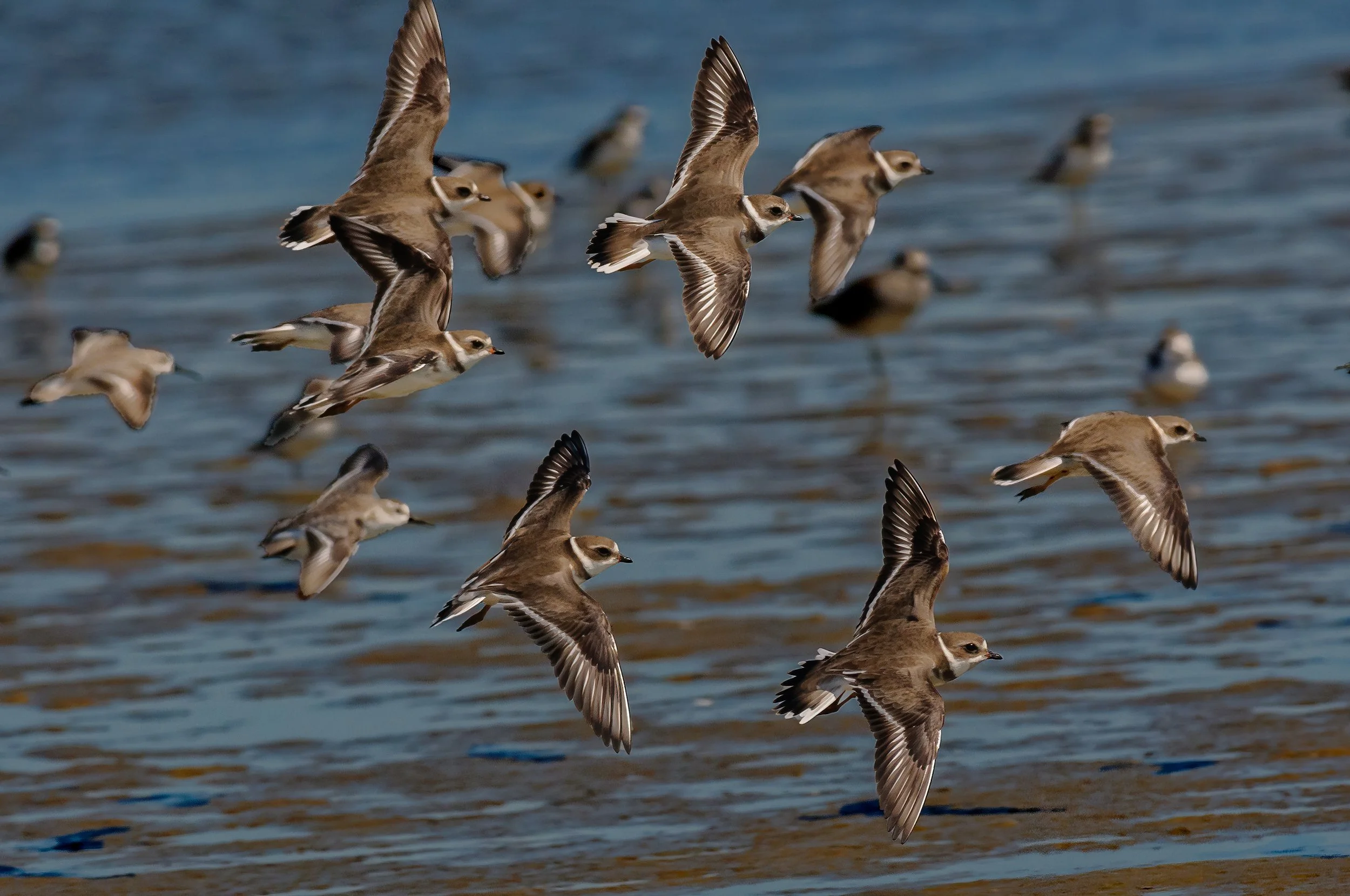
Piping Plovers

I am posting a dozen photos of Piping Plovers here to make them accessible to a person whose summer work for the Audubon society on Cape Cod involved providing protection for these birds.


David Sparks

I retired in 2005 after 40 years of research and teaching at the University of Alabama in Birmingham (24 years), the University of Pennsylvania (8 years) and the Baylor College of Medicine (8 years). Photography is my retirement hobby.

Nature photography, especially bird photography, combines a number of things that I really enjoy: bird-watching, being outdoors, photography, travel, messing about with computers, and learning new skills and concepts.  I now spend much of my time engaged in these activities.

David Sibley in the preface to The Sibley Guide to Birds wrote "Birds are beautiful, in spectacular as well as subtle ways; their colors, shapes, actions, and sounds are among the most aesthetically pleasing in nature."  My goal is to acquire images that capture the beauty and uniqueness of selected species as well as images that highlight the engaging behaviors the birds exhibit. 

Mine Eyes Have Seen is the title of my recent photo book.


The images and text contained in the 12 inch by 12 inch hardcover book can be viewed on the web by clicking on the link below.

https://dlsparks.myportfolio.com/mine-eyes-have-seen


David Sparks

I retired in 2005 after 40 years of research and teaching at the University of Alabama in Birmingham (24 years), the University of Pennsylvania (8 years) and the Baylor College of Medicine (8 years). Photography is my retirement hobby.

Nature photography, especially bird photography, combines a number of things that I really enjoy: bird-watching, being outdoors, photography, travel, messing about with computers, and learning new skills and concepts.  I now spend much of my time engaged in these activities.

David Sibley in the preface to The Sibley Guide to Birds wrote "Birds are beautiful, in spectacular as well as subtle ways; their colors, shapes, actions, and sounds are among the most aesthetically pleasing in nature."  My goal is to acquire images that capture the beauty and uniqueness of selected species as well as images that highlight the engaging behaviors the birds exhibit. 

White Ibis feeding.


Our photos are supposed to tell a story. The photo below tells a story about a White Ibis feeding in early morning light.


The remaining photos tell a story about the competition for the available food the White Ibis often encounters.


The first photo was taken in February 2014 with a Nikon D300S camera and a 500mm f/4 lens with a 1.4x tc at the Bolivar Peninsula north jetty in Texas. The remaining photos were taken at the same location in November 2019 with an Olympus E-M1X camera and a 300mm f/4 lens with a 1.4x teleconverter.

David Sparks

I retired in 2005 after 40 years of research and teaching at the University of Alabama in Birmingham (24 years), the University of Pennsylvania (8 years) and the Baylor College of Medicine (8 years). Photography is my retirement hobby.

Nature photography, especially bird photography, combines a number of things that I really enjoy: bird-watching, being outdoors, photography, travel, messing about with computers, and learning new skills and concepts.  I now spend much of my time engaged in these activities.

David Sibley in the preface to The Sibley Guide to Birds wrote "Birds are beautiful, in spectacular as well as subtle ways; their colors, shapes, actions, and sounds are among the most aesthetically pleasing in nature."  My goal is to acquire images that capture the beauty and uniqueness of selected species as well as images that highlight the engaging behaviors the birds exhibit. 

Black Terns

Sibley’s description notes that their flight is “buoyant and erratic with frequent dips to the water,” a characteristic that makes it difficult to capture photos of them in flight. Ten photos of Black Terns taken at Bolivar Flats in Texas in May 2025 are below. OM-1 camera with 150-400 mm f/4.5 TC lens. Settings: 500mm, 1/1600 sec at f/5.6, ISO 250


David Sparks

I retired in 2005 after 40 years of research and teaching at the University of Alabama in Birmingham (24 years), the University of Pennsylvania (8 years) and the Baylor College of Medicine (8 years). Photography is my retirement hobby.

Nature photography, especially bird photography, combines a number of things that I really enjoy: bird-watching, being outdoors, photography, travel, messing about with computers, and learning new skills and concepts.  I now spend much of my time engaged in these activities.

David Sibley in the preface to The Sibley Guide to Birds wrote "Birds are beautiful, in spectacular as well as subtle ways; their colors, shapes, actions, and sounds are among the most aesthetically pleasing in nature."  My goal is to acquire images that capture the beauty and uniqueness of selected species as well as images that highlight the engaging behaviors the birds exhibit. 

Photos taken for Ben and Luke

At Anahuac NWR in Texas


David Sparks

I retired in 2005 after 40 years of research and teaching at the University of Alabama in Birmingham (24 years), the University of Pennsylvania (8 years) and the Baylor College of Medicine (8 years). Photography is my retirement hobby.

Nature photography, especially bird photography, combines a number of things that I really enjoy: bird-watching, being outdoors, photography, travel, messing about with computers, and learning new skills and concepts.  I now spend much of my time engaged in these activities.

David Sibley in the preface to The Sibley Guide to Birds wrote "Birds are beautiful, in spectacular as well as subtle ways; their colors, shapes, actions, and sounds are among the most aesthetically pleasing in nature."  My goal is to acquire images that capture the beauty and uniqueness of selected species as well as images that highlight the engaging behaviors the birds exhibit. 

Reddish Egrets at sunrise

Photos taken January 29, 2025 at Black Point Wildlife Drive, Merritt Island NWR, Florida. OM-1 camera with 150-400mm f/4.5 TC lens.


David Sparks

I retired in 2005 after 40 years of research and teaching at the University of Alabama in Birmingham (24 years), the University of Pennsylvania (8 years) and the Baylor College of Medicine (8 years). Photography is my retirement hobby.

Nature photography, especially bird photography, combines a number of things that I really enjoy: bird-watching, being outdoors, photography, travel, messing about with computers, and learning new skills and concepts.  I now spend much of my time engaged in these activities.

David Sibley in the preface to The Sibley Guide to Birds wrote "Birds are beautiful, in spectacular as well as subtle ways; their colors, shapes, actions, and sounds are among the most aesthetically pleasing in nature."  My goal is to acquire images that capture the beauty and uniqueness of selected species as well as images that highlight the engaging behaviors the birds exhibit. 

Photos of Aerial Feeding by Tricolored Herons

Aerial feeding by Snowy Egrets has been observed by many people. Among the various forms that have been described are: hovering to retrieve surface food, agitating the water with one or both feet while hovering (hovering-stirring), capturing prey from the water while continuing in direct flight (dipping), and dragging one or both feet in the water while catching prey during direct flight (foot-dragging). I have observed Snowy Egrets engaged in foot-dragging feeding many times and have quite a few photos of the behavior. An example is shown below.


On a recent trip to the eastern coast of central Florida I saw and photographed Tricolored Herons engaged in the foot-dragging feeding behavior. Photos of the behavior are below. This was the first time I had observed Tricolored Herons feeding in this manner.


The bird is dragging the feet and leaving a disturbance of the water that marks the flight/drag path. Presumably, based on the head position, the bird has spotted a potential prey off to the right.


That (my interpretation) initiated a short hop in which the feet leave the water and …..


the bird lands a short distance away (note the distance beween the location of the feet in this photo and the flight/drag path behind the bird.


The bird lifts the wings to positions that create a shadow. Some ornithologists speculate that the shadow area may be perceived by minnows as a place to hide.


The foot-dragging episode ends with the heron striking in an attempt to capture the prey, ….


an attempt that is successful.


David Sparks

I retired in 2005 after 40 years of research and teaching at the University of Alabama in Birmingham (24 years), the University of Pennsylvania (8 years) and the Baylor College of Medicine (8 years). Photography is my retirement hobby.

Nature photography, especially bird photography, combines a number of things that I really enjoy: bird-watching, being outdoors, photography, travel, messing about with computers, and learning new skills and concepts.  I now spend much of my time engaged in these activities.

David Sibley in the preface to The Sibley Guide to Birds wrote "Birds are beautiful, in spectacular as well as subtle ways; their colors, shapes, actions, and sounds are among the most aesthetically pleasing in nature."  My goal is to acquire images that capture the beauty and uniqueness of selected species as well as images that highlight the engaging behaviors the birds exhibit. 

Wilson's Snipe and their reflections

The photos were taken on January 25 and 26, 2025 at Black Point Wildlife Drive, Merritt Island NWR, FL.

Olympus OM-1 camera and 150-400 f4.5 tc lens


David Sparks

I retired in 2005 after 40 years of research and teaching at the University of Alabama in Birmingham (24 years), the University of Pennsylvania (8 years) and the Baylor College of Medicine (8 years). Photography is my retirement hobby.

Nature photography, especially bird photography, combines a number of things that I really enjoy: bird-watching, being outdoors, photography, travel, messing about with computers, and learning new skills and concepts.  I now spend much of my time engaged in these activities.

David Sibley in the preface to The Sibley Guide to Birds wrote "Birds are beautiful, in spectacular as well as subtle ways; their colors, shapes, actions, and sounds are among the most aesthetically pleasing in nature."  My goal is to acquire images that capture the beauty and uniqueness of selected species as well as images that highlight the engaging behaviors the birds exhibit.